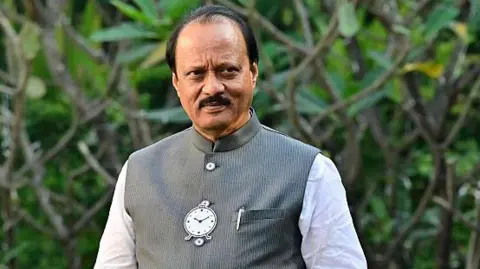
The sudden death of an influential leader has left a political vacuum in India's richest state. Ajit Pawar, the deputy chief minister of Maharashtra, died on Wednesday in a plane crash along with four others. Maharashtra's political landscape is notoriously complex - a web of shifting alliances, regional loyalties, and rivalries. For decades, Ajit Pawar navigated this terrain with a mixture of pragmatism and shrewdness, swiftly rising through the ranks.
Yet, beneath the public triumphs, his journey was also deeply personal: a struggle to emerge out of the formidable shadow of his uncle, Sharad Pawar – the founder of the Nationalist Congress Party (NCP) and a dominant figure in Indian politics. Born in 1959, Ajit Pawar entered politics in the 1980s under his uncle's mentorship, focusing on Baramati, the Pawar family's stronghold.
From an early age, Ajit was seen as his uncle's visible heir but was determined to forge his own path. Unlike Sharad Pawar, known for his coalition-building skills, Ajit focused on regional governance. His style differed significantly, as Ajit was often more blunt and practical, earning both supporters and critics.
Despite a rapid ascent within the NCP, tensions brewed between the nephew and uncle. In 2019, Ajit shocked many by briefly aligning with the rival Bharatiya Janata Party (BJP) to claim the deputy chief minister post, which ultimately failed and caused a public rift.
In 2023, Ajit made a definitive break from his uncle's NCP, joining a ruling coalition led by the BJP and claiming the party's name and electoral symbol. His defection marked one of Maharashtra's most significant political dramas, leading to a fracture of the formerly united Pawar political dynasty.
With recent indications of potential reconciliation between divided factions, Ajit Pawar's sudden death has raised profound questions about the future of those factions and who will lead them. The implications of his passing may reshape Maharashtra’s political landscape, as allies and opponents navigate a new reality in his absence.
Yet, beneath the public triumphs, his journey was also deeply personal: a struggle to emerge out of the formidable shadow of his uncle, Sharad Pawar – the founder of the Nationalist Congress Party (NCP) and a dominant figure in Indian politics. Born in 1959, Ajit Pawar entered politics in the 1980s under his uncle's mentorship, focusing on Baramati, the Pawar family's stronghold.
From an early age, Ajit was seen as his uncle's visible heir but was determined to forge his own path. Unlike Sharad Pawar, known for his coalition-building skills, Ajit focused on regional governance. His style differed significantly, as Ajit was often more blunt and practical, earning both supporters and critics.
Despite a rapid ascent within the NCP, tensions brewed between the nephew and uncle. In 2019, Ajit shocked many by briefly aligning with the rival Bharatiya Janata Party (BJP) to claim the deputy chief minister post, which ultimately failed and caused a public rift.
In 2023, Ajit made a definitive break from his uncle's NCP, joining a ruling coalition led by the BJP and claiming the party's name and electoral symbol. His defection marked one of Maharashtra's most significant political dramas, leading to a fracture of the formerly united Pawar political dynasty.
With recent indications of potential reconciliation between divided factions, Ajit Pawar's sudden death has raised profound questions about the future of those factions and who will lead them. The implications of his passing may reshape Maharashtra’s political landscape, as allies and opponents navigate a new reality in his absence.