In brief
The U.S. government shutdown, lasting 43 days, disrupted numerous federal services and impacted millions of workers. As the government reopens, delays in service restoration and ongoing challenges, particularly for federal workers and social programs like SNAP and Head Start, still need addressing. The timeline indicates most federal employees will return to work soon, while critical programs forge a path to normalcy.
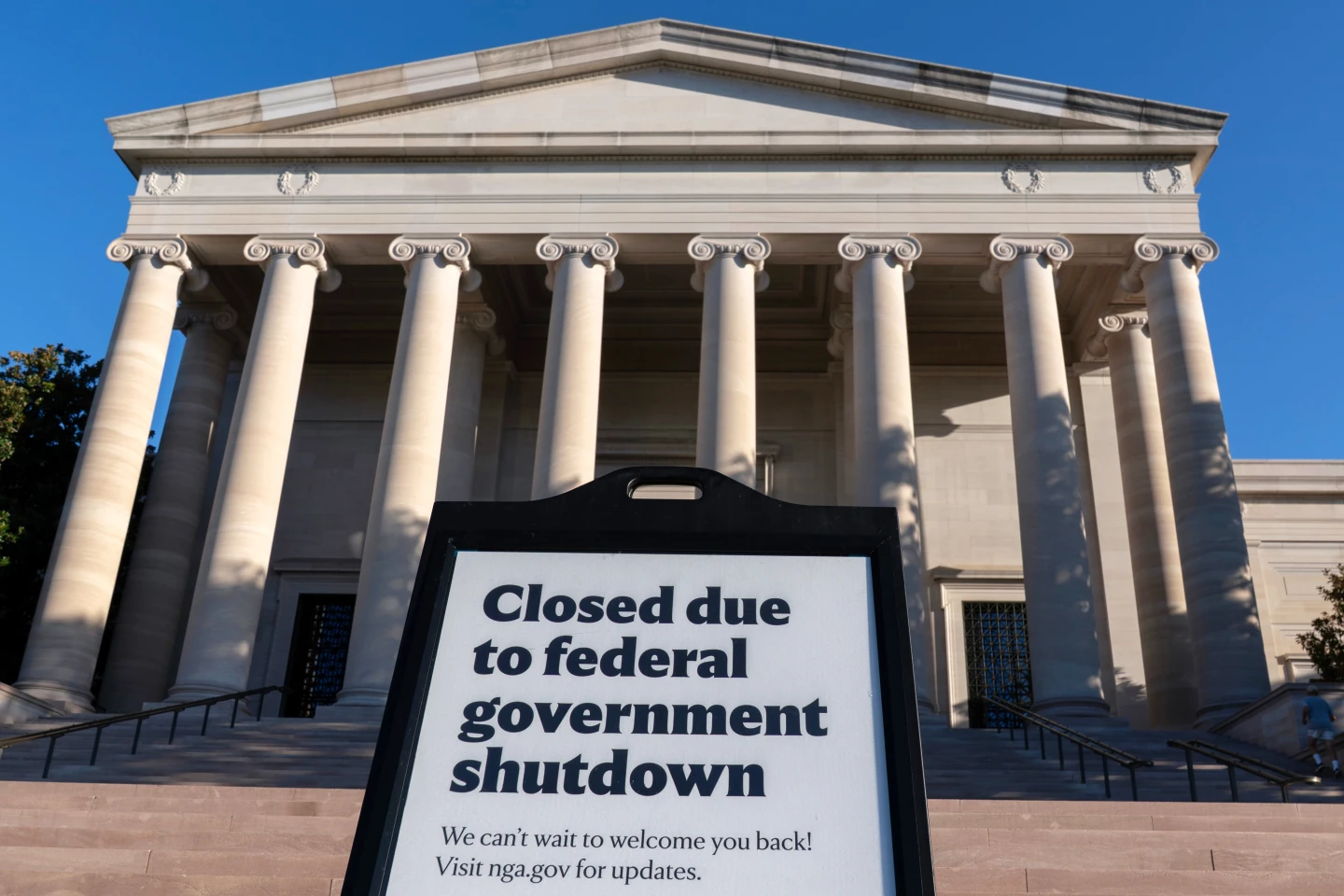
NEW YORK (RTW News) — The longest government shutdown in U.S. history is officially over, marking the end of a disruptive 43-day lapse in federal funding. Although legislation has passed to allow government services to resume, many Americans who rely on federal programs are still feeling the ramifications.
During the shutdown, federal workers were either furloughed or required to work without pay, resulting in a staggering loss of about $16 billion in wages. Affecting over 1.25 million federal employees, this disruption has echoed throughout the country's economy, particularly in areas surrounding Washington, D.C.
The repercussions have rippled through various sectors, with federal agencies like the FAA facing operational challenges due to a shortage of air traffic controllers. The shutdown saw travel disruptions, including delays and cancellations that commuters are now adapting to as services begin to normalize.
Federal assistance programs, including the Supplemental Nutrition Assistance Program (SNAP), which supports millions of low-income families, have also faced interruptions. Challenges exist in disbursing much-needed funds to recipients, creating uncertainty for thousands of households across the nation.
Reopening processes are underway, but regaining a sense of normalcy won't be instantaneous. As agencies scramble to restore full functionality, ordinary Americans grappling with the aftermath of the shutdown will need continued support.
In addition, the head of the National Parks Service warned that the long closure might reveal more damage than initially anticipated, as teams work to assess park conditions and restore visitor services.
As federal agencies work to resume services, the Office of Personnel Management has encouraged federal workers to return to their posts as of Thursday. Their pay will begin to be processed in installments by November 19, which many hope will alleviate the financial strain incurred during the shutdown.
Overall, while the government shutdown is technically over, many Americans will continue to navigate challenges as the country seeks to stabilize and recover from this unprecedented period of closure.