In brief
In a heartfelt tribute, Rocky Sickmann shares how former President Jimmy Carter's unwavering dedication helped keep him and other hostages alive during the tumultuous Iran hostage crisis that began in 1979, shaping both their lives.
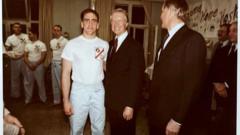
Rocky Sickmann, a former US Marine, owes his life and resilience during the Iran hostage crisis to former President Jimmy Carter. Captured along with 51 other Americans on November 4, 1979, he spent over a year in captivity, facing despair and uncertainty about the American public's perception of their plight. At just 22 years old, Sickmann was confined in a dark room, fearing that like many Vietnam veterans, the hostages would be forgotten. He wondered if anyone in Washington, particularly Carter, genuinely cared about their return, a sentiment mirrored by many at the time, especially as criticism mounted over Carter’s handling of the crisis.Historical analyses determine that the hostage ordeal inadvertently played a pivotal role in Carter’s presidency and contributed to his defeat by Ronald Reagan, occurring just minutes after Reagan's inauguration. The hostages’ release, though arranged while Carter was still in office, tarnished Carter’s administration as their return remained a painful gap in American history.However, Sickmann emphasized Carter's passionate commitment to diplomacy and his efforts to bring the hostages home. Their paths crossed unexpectedly; during a reunion in Wiesbaden, Germany, shortly after liberation, Carter expressed his admiration for the former hostages. Sickmann recalled meeting Carter in pajamas and how the President later sent a signed photo to him, a gesture that underscored Carter's deep dedication to the families of the hostages.Their connection didn't end there. Sickmann also recounted a serendipitous meeting with Carter at a baseball game years later, illustrating the lasting bond forged through adversity.Inspired by Carter's legacy of service, Sickmann founded Folds of Honor, a charity providing educational scholarships for families of fallen or disabled military personnel. The organization honors the eight servicemen who lost their lives during a rescue mission aimed at freeing the Iran hostages, known as Operation Eagle Claw.Reflecting on his agonizing captivity, Sickmann credited Carter for keeping them alive during 444 days of prayer and uncertainty. He expressed heartfelt gratitude, stating, “President Carter kept us in front of the world, making sure people were praying for us too.”As America reflects on Carter's legacy—including his remarkable marriage to Rosalynn and his profound humanitarian work—Sickmann’s story highlights the indelible impact one leader can have on the lives of individuals in desperate circumstances.