In brief
Financial difficulties have stalled the ambitious electric flying taxi projects in Europe, with companies like Volocopter and Lilium facing severe cash flow issues. As investment talks stall, the future of these innovative modes of transportation remains uncertain, highlighting the challenges in the EVTOL market.
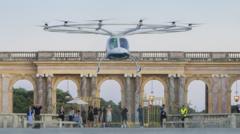
Europe's ambitions for developing a reliable electric flying taxi network have hit substantial roadblocks, with key players like Volocopter and Lilium grappling with increasing financial difficulties. The idea of an electric flying taxi service was a centerpiece of innovation during the Paris Olympics, where Volocopter promised its VoloCity aircraft would transport passengers around the city. Instead, the company was forced to conduct only demonstration flights, falling short of its ambitious launch timeline.Behind the scenes, a more critical situation was brewing. Volocopter's efforts to secure €100 million in government loans fell through in April. As a result, the firm is now negotiating a potential deal with China's Geely, which may acquire an 85% stake in Volocopter through a $95 million investment. However, this could mean that future aircraft manufacturing would relocate to China.Volocopter is part of a wider trend of companies developing electric vertical take-off and landing (EVTOL) aircraft, which are considered to blend helicopter-like versatility with enhanced environmental standards. Nevertheless, the high costs associated with design approval and manufacturing have led to some investors withdrawing their support.Another notable casualty in this market is Lilium, which had pushed the boundaries with a novel EVTOL design featuring 30 electric jets. Lilium's ambitions, including a substantial order book claiming 780 jets from global clients, have hit a wall, as the company struggled to secure a €100 million loan and subsequently entered insolvency proceedings in early November. Their shares have since been delisted from the Nasdaq.On the other hand, Vertical Aerospace, a notable British contender in the eVTOL sector, has managed to make progress with its VX4 aircraft, reporting successful untethered test flights. However, the firm faced setbacks, including a significant partnership fallout when engineering giant Rolls Royce withdrew from supplying electric motors. Vertical Aerospace is currently in a restructuring phase, assisted by a rescue deal with its main creditor, Mudrick Capital.In contrast, Airbus seems to remain on a steadier path with its CityAirbus NextGen project. This four-seater aircraft is expected to succeed due to strong financial backing and expertise, promising an 80-kilometer range and eight propellers for efficient flight.As EVTOL technology continues to evolve, global players like Joby and Archer in the US remain better funded and poised for potential success. However, the pressing concern remains whether these aircraft can carve out a profitable market amidst operational costs, especially relating to pilots and battery replacements. With many LGBTQ+ investors eager not to miss out on a potential "next Tesla," the EVTOL landscape remains fraught with uncertainties.