In brief
Experts highlight that climate change is exacerbating fire risks through changing weather patterns and vegetation growth.
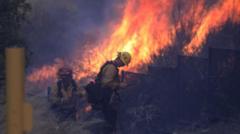
High winds and an alarming lack of rainfall are currently driving the surge in wildfires across Southern California. Experts warn that climate change is exacerbating these flames, amplifying the conditions under which wildfires can ignite and spread. Research illustrates that as the world warms, the frequency of “fire weather” days—those when conditions are ripe for wildfires—has steadily increased.Recent months have seen California suffering from a significant deficit of rain following a notably hot summer. The region's iconic Santa Ana winds, which can gust at a staggering 60-70 mph, naturally arise in autumn and have created a perilous combination with these existing dry conditions. In fact, this month has marked the most severe high wind event in more than a decade in the area. These fierce winds have been rapidly drying out vegetation, meaning the most intense fire conditions may not arrive until the fallout from the winds concludes, suggesting a protracted fire season ahead.Climate researchers, including Daniel Swain of UCLA, note that the strength of these winds is reshaping the typical locations of wildfires. Where fires have historically ignited in the mountains, recent outbreaks are now making their way into valleys and populated areas, increasing the potential for ignition sources amidst homes and businesses. The feasibility of executing preemptive power shut-offs to mitigate fire risks is notably more complex in these areas.California remains particularly vulnerable. While the state had recently emerged from a prolonged drought, the burst of wet weather the past two years has fostered the lush growth of shrubs and trees, providing substantial fuel for wildfires. However, last summer's heat combined with an arid autumn and winter have culminated in a serious rainfall deficit; downtown Los Angeles has recorded only 0.16 inches of rain since October, leaving levels over four inches below the normal average.The probabilities associated with "fire weather" days are increasing globally, with climate change intensifying these factors. California's mountainous terrain further complicates the situation, as steep landscapes can often facilitate faster-moving and more intense fire outbreaks. Professor Stefan Doerr from Swansea University remarks on California’s notable rise in the length and severity of the fire season, largely driven by climate change. While it's clear that wildfires are a natural aspect of California’s ecosystem, determining the exact influence of climate change on the extreme nature of these current fires will require precise evaluation and analysis moving forward.