In brief
A decade has passed since the devastating attack in Peshawar, and Pakistan faces an alarming resurgence of terrorism as political instability and economic challenges undermine past gains made against militancy.
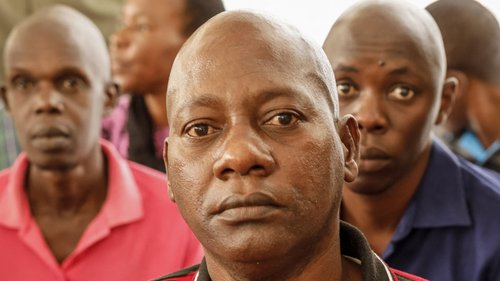
In December 2014, a horrific assault by the Pakistani Taliban claimed the lives of almost 150 individuals, predominantly children, at a military-run school in Peshawar, which led to an unprecedented national unity against terrorism and comprehensive military operations targeting militant strongholds. These efforts resulted in a decline in deadly attacks, with fatalities plummeting from over 2,400 in 2013 to approximately 220 in 2020. However, recent years have seen a dramatic rise in violence driven by the Taliban's takeover in neighboring Afghanistan, alongside the resurgence of ethnic separatist groups in Baluchistan.Families affected by the 2014 tragedy express deep frustration as security conditions in the country deteriorate. Ajoon Khan, who lost his son in the attack, reflects on the still-unhealed wounds of loss and impotence in the face of increasing violence. Currently, reports confirm that over 900 people have been killed in numerous terrorist attacks across Pakistan in just the last 10 months, stressing the urgent need for effective counterterrorism strategies.Experts suggest that significant factors complicating Pakistan’s fight against terrorism include political instability, waning public support, and decreased international assistance. The Taliban’s unexpected relationship with the Tehrik-i-Taliban Pakistan (T.T.P.) has allowed the group to recuperate and intensify its campaign, using resources and sophisticated weaponry acquired post-U.S. withdrawal from Afghanistan.Militant activities have seeped into various areas of Pakistan, particularly Khyber Pakhtunkhwa, with notable incidents such as a recent mosque bombing leading to numerous casualties. Concurrently, Baluchistan’s ethnic separatist groups, particularly the Baluch Liberation Army, have escalated their attacks against security forces and foreign nationals, further destabilizing the region.As the Pakistani government seeks to respond to these heightened threats, plans for military operations are met with public skepticism and apprehension, given the costs and traumas of past conflicts. The financial burden and political challenges pose significant barriers as families like Khan’s are left fearing the potential for further tragedies.The situation in Pakistan remains precarious, with communities battling a dual threat of terrorism and the government’s apparent distraction by internal political struggles. For many, the memory of past attacks is not just a haunting reminder but a pressing reality as they grapple with the resurgence of violence in their daily lives.