In brief
The wine industry in France is witnessing a significant transformation as alcohol-free wines gain popularity, driven by shifting consumer habits and improved production methods, making it more palatable and acceptable.
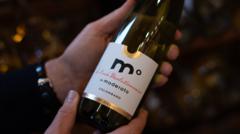
In the vineyards of Bordeaux, the once unthinkable idea of alcohol-free wine is now becoming a reality, marking a revolutionary shift in the French wine industry. Renowned oenologist Frédéric Brochet highlights that, despite initial attempts yielding poor results, advancements in production techniques have dramatically improved the quality of these beverages, leading to the creation of the Moderato range that is reimagining no-alcohol wines as genuine contenders.The recent opening of the first dedicated cave for alcohol-free wines in Bordeaux reflects this transformation, with wine-growers increasingly interested in entering this emerging market. Alexandre Kettaneh, who runs Les Belles Grappes, reports a surge in inquiries from fellow producers, signaling a significant change in wine culture that many had not anticipated.This evolving preference among consumers, particularly younger generations who are more health-conscious, has further catalyzed the growth of non-alcoholic options. Supermarkets have begun allocating more space for beer, with a notable shift in attitudes leading to an increase in the share of alcohol-free beer in France, which currently stands at 10%. In contrast, Spain boasts a significantly higher 25%.Technological advancements have played a critical role in improving the de-alcoholization process. Unlike the traditional methods that often compromised taste, innovative techniques such as low-temperature vacuum distillation allow for a product that can authentically be labeled as wine. This progress enables producers to enhance flavors and aromas, offering a more enjoyable experience for consumers looking for non-alcoholic alternatives.The Clos De Bouard estate, for instance, reports that one-third of its sales now come from no-alcohol brands, showcasing that this sector can be a viable alternative for traditional wineries. Owner Coralie de Bouard recalls the backlash she faced from her family when she first pursued the creation of non-alcoholic wines—now, however, she’s recognized for her forward-thinking approach.Many traditional purists remain skeptical, voicing concerns about the implications of this change in the wine culture. Nevertheless, advocates argue that alcohol-free options provide an opportunity for inclusivity among non-drinkers, allowing them to engage in the social and cultural practices surrounding wine consumption.As the industry grapples with these changes, the prevailing sentiment among proponents of alcohol-free wine is one of optimism. Oenologist Brochet emphasizes that evolution is part of the wine heritage, suggesting that innovations today could safeguard the tradition and culture of winemaking for the future.