
In brief
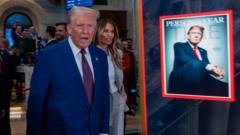
In an impressive return to the political arena, Donald Trump has been awarded Time Magazine's Person of the Year for the second occasion, the first time following his 2016 presidential election victory. Time's Editor-in-Chief, Sam Jacobs, commended Trump for spearheading a "historic comeback" and reshaping the U.S. political scene.
Trump celebrated the recognition by ringing the opening bell at the New York Stock Exchange surrounded by family and supporters, who enthusiastically chanted "U-S-A". In a recent interview, Trump reiterated his vision for his forthcoming presidential term, particularly emphasizing his intent to evaluate the convictions of individuals involved in the Capitol riot on a "case-by-case" basis and expressing plans to drastically reduce taxes.The accolade, which began in 1927 under the title "Man of the Year," honors those who have significantly influenced global events, regardless of whether the outcome is deemed positive or negative. Past honorees include notable figures such as Greta Thunberg, Barack Obama, and Pope Francis. On their shortlist for this year's selection, Time editors considered ten prominent figures, among them Vice-President Kamala Harris and Princess of Wales. Trump's surprising 2024 election comeback, characterized by an energized young male voter base, was described as "history-making," with the added context of him being the oldest individual to assume the presidency and facing recent legal challenges. Reflecting on his past experiences, Trump had expressed disappointment in 2015 when he was not featured on the cover during his first campaign but later called winning the title a "great honor." Despite his recognition, he has maintained critiques of the magazine's past selections, including the choice of Taylor Swift in 2023. With ambitious plans to overhaul the immigration system and address economic issues, Trump's second term promises significant changes as he steps back into the spotlight. As he prepares to take office, discussions about his administration's objectives begin, including potential reforms and strategic shifts that could shape the U.S.'s future.

