
In brief
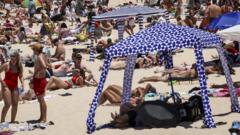
As large beach tents, or cabanas, dominate Australia's coastlines, a growing debate emerges over beach etiquette and public space use, drawing perspectives from the public, celebrities, and even politicians.
Australia's beaches, once idyllic spaces for relaxation, are now embroiled in a heated turf war over the rising proliferation of large beach tents known as cabanas. In recent years, these polyester covers have become a common sight, dousing the sands and blocking ocean views, leading to frustrations among sun-seekers.With beach access often requiring long drives and the challenge of finding parking, Australian beachgoers now face an additional hurdle: navigating through a maze of cabanas. Claire, a 30-year-old resident from Sydney, describes her growing irritation, stating, “It can just be a little bit frustrating... when you're just trying to find a free square inch of sand to lay your towel.”As tensions simmered over successive summers, the dispute bubbled to the surface in early 2025. Social media posts thrummed with opinions while prime-time television segments dissected the issue. Critics argue that cabana enthusiasts monopolize public space and disrespect fellow beachgoers. "When you’re polluting the beach with your four cabanas next to each other, where is Guncle [Gay Uncle] Nic going to go?” challenged anti-cabana advocate Nic Salerno during a segment on "The Project."Yet, supporters of cabanas emphasize their practicality amidst Australia’s harsh sun and UV radiation risks. With the nation holding the unfortunate title of the skin cancer capital of the world, advocates from organizations like the Cancer Council argue that seeking shade is a legitimate necessity. “We both burn extremely easily and we don’t want to die of skin cancer by 30," one beachgoer asserted, defending their cabana setup.Debate escalated further as public figures weighed in, including Prime Minister Anthony Albanese, who stated, “That’s not on,” emphasizing the Australian cultural principle of shared beach spaces. Opinions also flowed from lifeguards who highlighted the safety challenges that clustered cabanas can create.The contention surrounding cabanas taps into deeper cultural values. Australians traditionally see their beaches as equal spaces of access, integral to their national identity. Ece Kaya, a researcher, notes this sentiment, explaining, "Australian beaches… are seen as a great equalizer." The history of Australians fiercely defending access to their shores, including backlash against paid beach access in the past, adds weight to the current debate.Some locals suggest potential solutions, advocating for designated zones for cabana setups or tight regulations akin to controls seen in the United States. However, Claire remains cautious about overregulation, urging for mutual consideration among beachgoers. “You don’t want to get too precious about it… it’s just the beach, first world problems right?” As discussions continue amid the sun-soaked sands, one sentiment lingers: a desire for compromise that respects both sun safety and shared enjoyment of Australia's treasured coastal landscapes.

