In brief
The 2026 US Open doubled its influencer accreditation to 100, prompting players to question the spectacle at exactly the right time. Naomi Osaka was admonished when a photo shoot’s ring light shone on her during a service rally, and player comments have sparked a broader discussion about disruptions. Coco Gauff applauded the larger audience but urged adherence to silence between points. Tournament officials insist the move broadens outreach while reinforcing etiquette rules. The event now balances growth with tradition as the USTA tightens fan‑permitted zones.
When the 2026 US Open opened its gates to 100 social‑media creators and influencers, the move doubled the number from last year and immediately spawned a debate over what constitutes acceptable fan behaviour on the court.
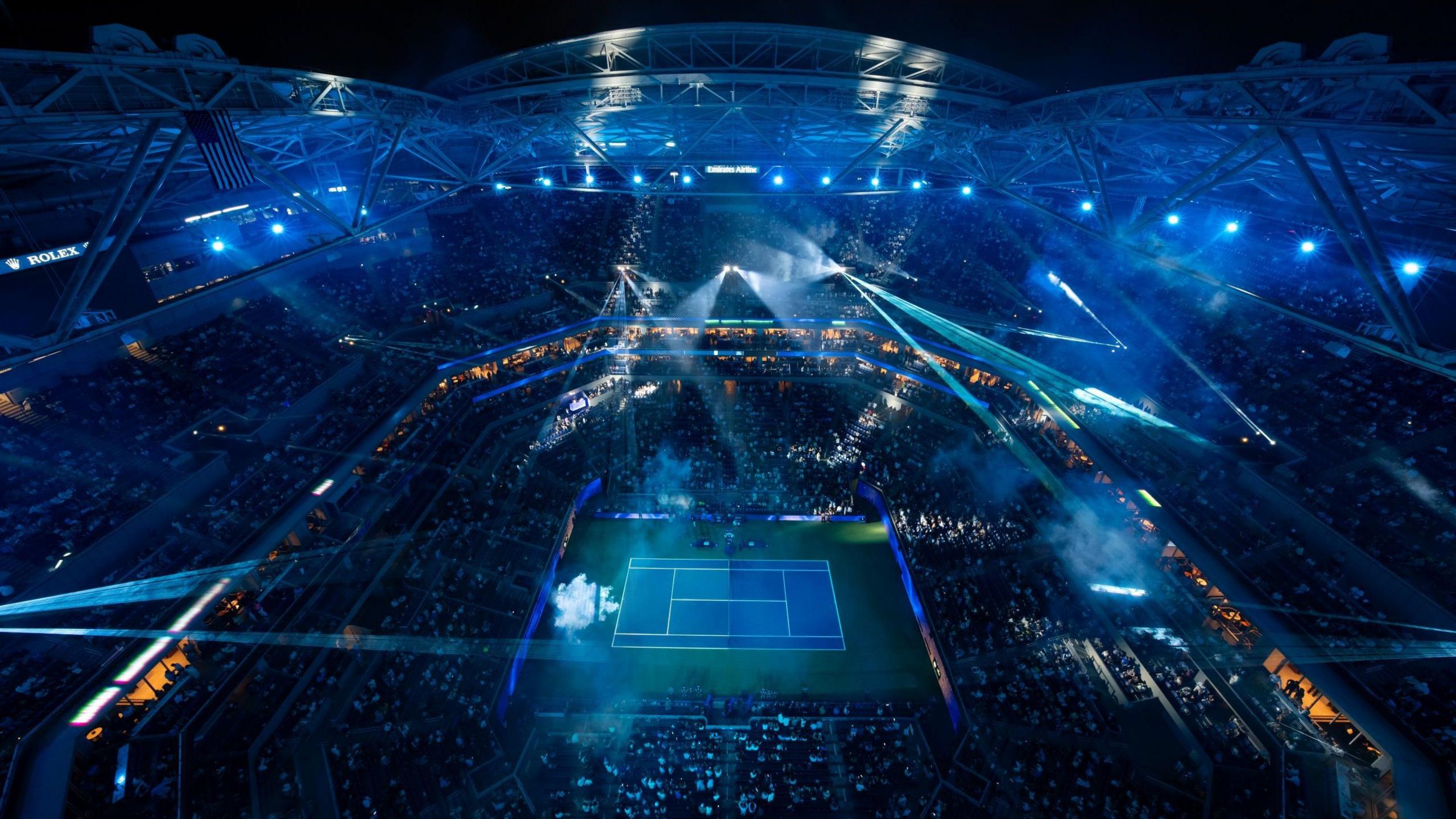
The most high‑profile incident occurred in Naomi Osaka’s first‑round match at Arthur Ashe Stadium when a group in the hospitality suite turned on a ring light while she was serving. The chair‑umpire had to intercept the group repeatedly and later reminded the crowd to keep the noise to a minimum. Osaka said the distraction was “a lot louder than ever” and added that it potentially bothered her opponent.
Coco Gauff, who is world number four, echoed the sentiment that bringing a younger, more diverse audience to the sport is positive but stressed that “if you’re being invited to a red carpet, you don’t show up in jeans.” She urged all accredited influencers to follow tennis etiquette and respect the silence required at the start of points.
Key policy changes, such as the free fan‑movement rule rolled out in 2024 and the recent expansion to a 15‑day schedule, have aimed to make the tournament more accessible. Nonetheless, the USTA has issued new signage reminding guests to avoid flash photography, ring lights, or any activity that could disrupt play.
As the US Open approaches its next stages, organisers emphasise that while growing the sport is essential, it must be balanced with tradition and respect for the game’s unspoken rules. Players, officials and content creators alike are calling for a clearer set of guidelines to ensure that the spectacle does not eclipse the sport itself.