
In brief
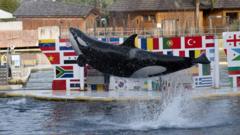
As Marineland Antibes in France closes its doors, uncertainty looms over the fate of its two killer whales. Recent animal welfare laws banning marine shows have stoked contention between operators of the zoo and animal rights advocates regarding the whales' relocation. The orcas, Wikie and Keijo, both born in captivity, face challenges adapting to life beyond their marine confines, raising critical discussions about their future welfare. Campaigners advocate for their transfer to a sanctuary, while the French government has blocked a controversial proposal for them to be shipped to a zoo in Japan.
The closure of Marineland Antibes, which officially shuttered on January 5, has sparked a heated debate about the management of its two killer whales. Located near Cannes, Marineland has faced scrutiny over the years concerning its animal treatment, culminating in the enactment of the 2021 law that prohibits the use of dolphins and whales in entertainment.Marineland, the largest marine zoo in Europe, reported that as many as 90% of its visitors are drawn by the shows featuring killer whales and dolphins, making the business unsustainable following the new regulations. The current situation poses a dilemma for animal rights advocates who are concerned that relocating the whales to another marine zoo may compromise their welfare.While several relocation options have emerged, experts caution against releasing Wikie and Keijo into the wild. Weighing the risks involved, marine biologists explain that both whales have only known human companionship and lack the necessary skills needed to thrive in their natural habitat. Hanne Strager, a marine biologist, compares this situation to taking a domesticated dog into the wilderness.Following public outcry, a proposed transfer to a Japanese marine zoo was halted by the French government, which cited lesser animal welfare protections in Japan. While Loro Parque in the Canary Islands also adheres to European standards, advocates fear that the orcas may face similar performance pressures, contradicting their release from the entertainment industry.The Whale Sanctuary Project is positing a more humane solution by offering to create a closed-off bay off the coast of Nova Scotia where the orcas would receive voluntary care and support, providing a semblance of freedom while ensuring their safety. The project would depend on commitments from the French government to facilitate this move.Past experiences, including the case of the famous orca Keiko from the film "Free Willy," demonstrate the complexities of reintroducing captive whales into the wild. While Keiko garnered a taste of liberation, experts stress that the emotional and environmental challenges facing Wikie and Keijo are precarious. With over 4,000 animals being relocated from Marineland, the closure serves as a pivotal point in the rising tide against marine zoos. The plight of Wikie and Keijo underscores a broader global shift towards reevaluating the practices of keeping marine mammals in captivity, accelerated by cultural shifts and groundbreaking documentaries like "Blackfish."As this story unfolds, advocates and researchers alike grapple with the profound implications of captivity, freedom, and the quest for humane solutions.

