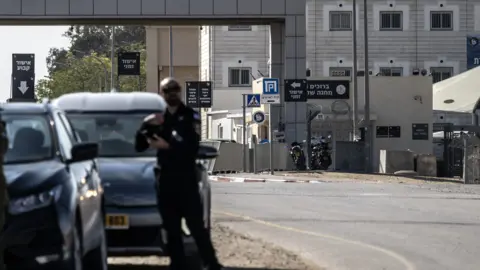
Israel has launched airstrikes against southern Lebanon after rockets were fired from the region for the first time in months. The military targeted areas linked to Hezbollah, marking a significant escalation in the ongoing conflict. According to reports, three rockets were intercepted by the Israeli military, resulting in no casualties. This volley comes after months of relative calm following a cease-fire agreement brokered by the U.S. and France last November.
Both Hezbollah and other armed groups in Lebanon have not claimed responsibility for the recent rocket fire, which coincides with Israel's renewed attacks on Hamas in Gaza, an offensive that has already claimed over 600 lives, according to Gaza health officials.
The renewed tensions in the region follow the October 7, 2023, raids by Hamas that escalated the Gaza war, prompting allied groups throughout the Middle East to express their support through various attacks on Israeli territory.
In response to the recent events, the Lebanese Army announced that it located and dismantled rocket launchers in southern Lebanon, a known stronghold for Hezbollah. The military has stated that they are taking necessary measures to monitor and control the situation in the south, reaffirming their role distinct from Hezbollah, which has historically exerted substantial influence in the country.
Despite the November cease-fire agreement that tasks the Lebanese government with preventing military actions against Israel, Israeli airstrikes continue, with authorities claiming they are targeting militants who breach the truce. Initial terms of the truce called for Israel to fully withdraw from several positions in Lebanese territory by late January; however, Israeli troops remain present at five different locations.
The renewal of airstrikes in Gaza this week has already sparked reactions from Hamas's allies, including the Houthi militia in Yemen, which has resumed firing ballistic missiles at Israel. These attacks have prompted a widespread rush among Israeli citizens to seek refuge in fortified shelters, while Israeli defense systems successfully intercepted the missiles.
Israeli leaders maintain that the renewed offensive in Gaza is intended to exert pressure on Hamas to secure the release of remaining Israeli and foreign hostages held in the enclave. Countering this, Hamas claims that Israel is violating the terms of the cease-fire agreement.
Both Hezbollah and other armed groups in Lebanon have not claimed responsibility for the recent rocket fire, which coincides with Israel's renewed attacks on Hamas in Gaza, an offensive that has already claimed over 600 lives, according to Gaza health officials.
The renewed tensions in the region follow the October 7, 2023, raids by Hamas that escalated the Gaza war, prompting allied groups throughout the Middle East to express their support through various attacks on Israeli territory.
In response to the recent events, the Lebanese Army announced that it located and dismantled rocket launchers in southern Lebanon, a known stronghold for Hezbollah. The military has stated that they are taking necessary measures to monitor and control the situation in the south, reaffirming their role distinct from Hezbollah, which has historically exerted substantial influence in the country.
Despite the November cease-fire agreement that tasks the Lebanese government with preventing military actions against Israel, Israeli airstrikes continue, with authorities claiming they are targeting militants who breach the truce. Initial terms of the truce called for Israel to fully withdraw from several positions in Lebanese territory by late January; however, Israeli troops remain present at five different locations.
The renewal of airstrikes in Gaza this week has already sparked reactions from Hamas's allies, including the Houthi militia in Yemen, which has resumed firing ballistic missiles at Israel. These attacks have prompted a widespread rush among Israeli citizens to seek refuge in fortified shelters, while Israeli defense systems successfully intercepted the missiles.
Israeli leaders maintain that the renewed offensive in Gaza is intended to exert pressure on Hamas to secure the release of remaining Israeli and foreign hostages held in the enclave. Countering this, Hamas claims that Israel is violating the terms of the cease-fire agreement.