In Oxnard, California, the strawberry capital of the world, farm workers find themselves living in fear as US Immigration and Customs Enforcement (ICE) raids have intensified in recent weeks. Many are opting to hide in the fields instead of risk deportation. "Are you from ICE?" one worker cautiously asked reporters fearing they might be government agents. After reassurances, she spoke openly about her worries.
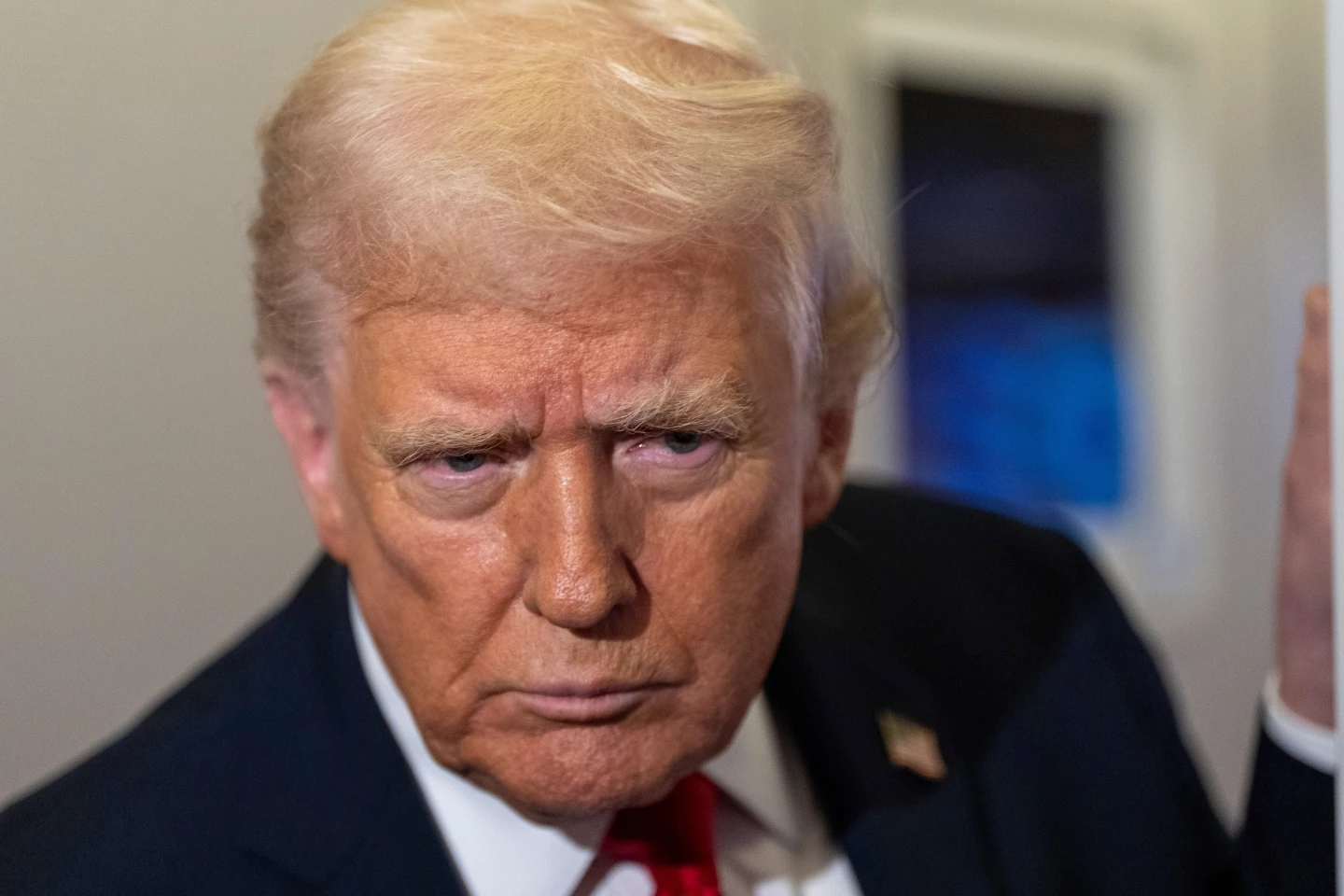
Having arrived from Mexico two years ago, she, like many others, is now grappling with the ramifications of strict immigration measures under President Donald Trump, designed to deport large numbers of undocumented immigrants. Recent weeks have seen ICE conduct raids across multiple farms in the area, although without warrants, which has led to the arrest of individuals on nearby streets.
"It's terrifying," she explained, describing how she and her co-workers anxiously wait for rides home at the end of long shifts, unsure of the risks outside. Lucas Zucker, a local community organizer, reported that such workplace raids were rare until now, causing panic in immigrant communities as people hide under the specter of deportation.
With over 40% of US farmworkers being undocumented, California's agricultural sector faces a potential tipping point. The fear of being apprehended has prompted many workers to stay home, which could threaten the consistency and supply of food nationwide. Trump himself has acknowledged the adverse effects of his policies on the farming industry, stating that many workers who have been with farmers for decades are integral to the operation.
Meanwhile, local businesses are feeling the strain; Raquel Pérez noted that her family restaurant, Casa Grande Cafe, used to thrive on lunch-hour traffic from workers, but nowadays, it sees only one customer during peak hours. "We’re all on edge," Raquel's mother lamented, expressing concern about how long they can survive with diminished clientele.
The ripple effect of these immigration raids is being felt beyond just the farms. Óscar, a vendor selling strawberries, reported a drop in customers. Although he’s also undocumented, he’s striving to secure a legal status and feels squeezed by the RAID climate. "I'm scared, but I can't stop working," he remarked, as he continues to provide for his American-born children amidst uncertainty.
As tensions rise, many worry that the impact of ongoing enforcement actions will lead to long-term consequences for California's agricultural economy and the communities relying on it. The situation serves as a reminder of the fragile balance between immigration enforcement and the realities of labor in critical industries.
Having arrived from Mexico two years ago, she, like many others, is now grappling with the ramifications of strict immigration measures under President Donald Trump, designed to deport large numbers of undocumented immigrants. Recent weeks have seen ICE conduct raids across multiple farms in the area, although without warrants, which has led to the arrest of individuals on nearby streets.
"It's terrifying," she explained, describing how she and her co-workers anxiously wait for rides home at the end of long shifts, unsure of the risks outside. Lucas Zucker, a local community organizer, reported that such workplace raids were rare until now, causing panic in immigrant communities as people hide under the specter of deportation.
With over 40% of US farmworkers being undocumented, California's agricultural sector faces a potential tipping point. The fear of being apprehended has prompted many workers to stay home, which could threaten the consistency and supply of food nationwide. Trump himself has acknowledged the adverse effects of his policies on the farming industry, stating that many workers who have been with farmers for decades are integral to the operation.
Meanwhile, local businesses are feeling the strain; Raquel Pérez noted that her family restaurant, Casa Grande Cafe, used to thrive on lunch-hour traffic from workers, but nowadays, it sees only one customer during peak hours. "We’re all on edge," Raquel's mother lamented, expressing concern about how long they can survive with diminished clientele.
The ripple effect of these immigration raids is being felt beyond just the farms. Óscar, a vendor selling strawberries, reported a drop in customers. Although he’s also undocumented, he’s striving to secure a legal status and feels squeezed by the RAID climate. "I'm scared, but I can't stop working," he remarked, as he continues to provide for his American-born children amidst uncertainty.
As tensions rise, many worry that the impact of ongoing enforcement actions will lead to long-term consequences for California's agricultural economy and the communities relying on it. The situation serves as a reminder of the fragile balance between immigration enforcement and the realities of labor in critical industries.