In brief
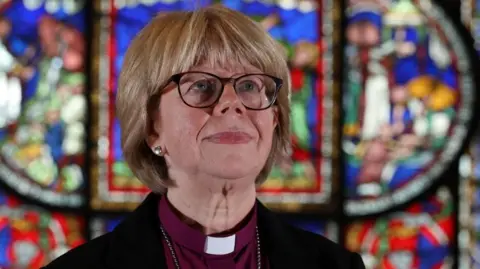
Dame Sarah Mullally has made history by becoming the first woman to be appointed Archbishop of Canterbury. This groundbreaking decision has drawn sharp reactions, particularly from the Global Fellowship of Confessing Anglicans (Gafcon), which condemned the choice, highlighting existing tensions within the Anglican community. Conversely, more progressive factions, like the Church of Southern Africa, celebrated the appointment, aiming for further inclusivity. This situation underscores the widening rift over gender and sexual equality within global Anglicanism.
Dame Sarah Mullally, in her initial address as the new Archbishop of Canterbury designate, stated, If you want to go fast, go alone - if you want to go far, go together. However, her historic appointment as the first female spiritual leader of the Church of England and the worldwide Anglican Communion has stirred contention within the community.
The Global Fellowship of Confessing Anglicans (Gafcon), an alliance of conservative Anglican churches primarily from Africa and Asia, expressed its disapproval, stating the choice was met with sorrow. In contrast, the Church of Southern Africa welcomed the landmark decision, deeming it historic.\
As debates continue, the Church of England, often seen as a more liberal institution, and conservative factions grapple with differing beliefs over issues including female bishops and same-sex relationships. The Archbishop of Rwanda, Dr. Laurent Mbanda, noted that Gafcon believes the Bible supports male-only bishops, thus objecting to Mullally's endorsement of same-sex union blessings.
Meanwhile, progressive comments from African leaders, such as the Archbishop of Cape Town and Bishop Emily Onyango, call the decision a positive shift, while cautioning against patriarchal interpretations of scripture that reject women's ordination.
The controversy surrounding Mullally's appointment highlights significant fractures in the global Anglican community over fundamental theological beliefs and leadership roles, raising concerns about the future unity of the church.