In brief
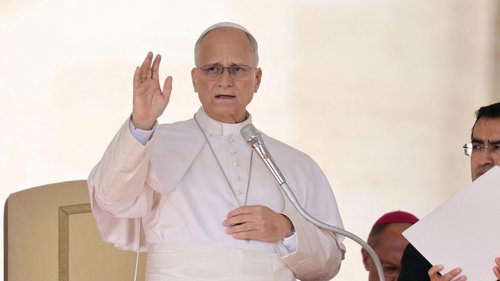
The 16th Synod of Bishops in Vatican City faced backlash as Pope Francis excluded women's ordination from discussions, raising concerns about the Church's commitment to gender equity.
In a significant gathering at the Vatican, the 16th General Assembly of the Synod of Bishops commenced under the watchful eye of Pope Francis, who initiated changes to allow women voting rights for the first time within the Church. However, just before the meeting began, the Vatican announced that contentious topics, particularly the ordination of women, would not be included in the agenda. This decision disappointed many in the Catholic community who saw the synod as a vital opportunity for reform. Pat Brown, a representative of the Catholic Women’s Ordination group in Britain, expressed her dismay, stating, “There’s enough misogyny in the world without the Catholic Church leading the way, when it should actually be standing up for a minority.” She emphasized that women, being the majority within the Church, deserve equitable representation and not the oppressive stance they currently experience. After four years of preparation, the meeting was anticipated to be groundbreaking, similar to the impactful Second Vatican Council of the 1960s. Engaging Catholics from around the world, the discussion centered on promoting women’s roles within the Church. Yet, critics contend that despite a significant presence in essential Church functions, women struggle to gain influential voices where it truly matters. While the meeting holds potential for dialogue and evolution within the Church, the sidelining of women’s ordination has sparked a wave of disappointment, highlighting ongoing battles within a more conservative Church framework.