
In brief
Supporters hail him as the antidote to Europe’s crises, but critics warn of the dangers in his tactics.
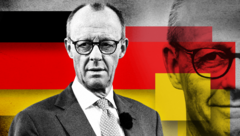
As Germany gears up for its snap federal elections, Friedrich Merz stands as the front-runner for the leadership of the Christian Democratic Union (CDU). Known as a risk-taker willing to push political boundaries, Merz has stirred controversy by attempting to tighten immigration laws with backing from far-right votes, representing a significant shift from the centrist policies championed by his predecessor, Angela Merkel. His failed legislative attempt nevertheless marked a bold move in a political climate charged by the recent collapse of Chancellor Olaf Scholz's government.Despite a past sidelined by Merkel's leadership and his subsequent detour into the corporate sector, Merz’s return to politics seems increasingly inevitable. The 69-year-old conservative figure evokes a calm yet determined demeanor, often seen as a stabilizing presence in Berlin’s political landscape, albeit with a history of controversial decisions. Critics have raised eyebrows at Merz's alliances, suggesting his actions only embolden the far-right Alternative für Deutschland (AfD). Protests erupted following his proposed non-binding motion, signaling public unease about his political maneuvering and intentions.Born in 1955 into a conservative Catholic family, Merz joined the CDU at a young age and quickly moved up the political ranks, including a stint in the European Parliament. His earlier reputation as a serious and reliable politician has often been overshadowed by his failures to lead the CDU, initially losing elections to Merkel. After a long absence from politics, he returned and sought to redefine the party’s direction, distancing himself from its centrist legacy. Merz's appeal to conservative voters has yet to win over all demographics, with polls indicating skepticism among younger voters and women. Even so, die-hard supporters argue that media portrayals of him are misleading. As the election approaches, the focus shifts from whether Merz can secure victory to which coalition he might form, particularly in light of his controversial approach to courting far-right support while maintaining denials of forming a direct alliance with the AfD. While Brussels watches with anticipation, the implications of Merz's unconventional strategies bear monitoring, potentially reshaping Germany’s political landscape for years to come.
