In brief
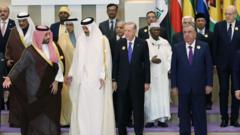
Crown Prince Mohammed bin Salman has issued one of the strongest denunciations of Israel by a Saudi official since the onset of the Gaza conflict, marking a critical moment in regional geopolitics. Speaking at a summit attended by various Muslim and Arab leaders, he urged for an immediate Israeli withdrawal from both the West Bank and Gaza. His remarks came alongside criticism of Israel's strikes on Lebanon and warnings against attacks on Iranian territory, reflecting an evolving stance towards regional adversaries. Saudi Arabia's foreign minister echoed these sentiments, condemning the international community's failure to halt the ongoing violence, which has led to catastrophic civilian casualties in Gaza. The discussion surrounding the conflict also hints at the implications of Donald Trump’s return to U.S. politics and how it may influence peace talks in the Middle East.
The Saudi crown prince's stark comments describe Israeli military actions in Gaza as genocidal, part of the most serious public denunciation from a Saudi leader since the conflict reignited. At the summit, leaders collectively denounced Israeli offensives in both Gaza and Lebanon, demanding a complete withdrawal of Israeli forces from occupied territories. With the backdrop of high casualty figures—including over 43,400 deaths reported in Gaza since the war escalated following Hamas's surprise attack on October 7—such statements illustrate the rising tensions in the region.Additionally, Saudi Arabia's foreign minister, Prince Faisal Bin Farhan Al-Saud, criticized the global community's inaction, pointing out the horrors faced by civilians and asserting that Israel's actions constitute a significant humanitarian failure. This rhetoric aligns with a recent UN report indicating that a majority of victims from the conflict were women and children.At the same time, the nearing return of Donald Trump to the U.S. political stage casts a shadow over these developments. Trump's policies previously favored Israeli actions that intensified divisions within the region, and now Gulf leaders are hopeful that his potential influence might help broker peace. Contrastingly, he remains a polarizing figure, as evidenced by mixed feelings toward his legacy in the Middle East.As leaders ponder their next steps, one opinion piece in a prominent Saudi publication declared, “A new era of hope,” reflecting some optimism over potential changes that Trump’s resurgence might bring to the complex landscape of Middle Eastern politics.