
In brief
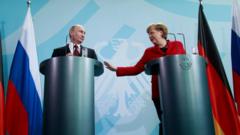
Former German Chancellor Angela Merkel recently shared her thoughts on her past diplomatic strategies surrounding Russia and NATO in an interview with BBC journalist Katya Adler. During her 16 years in office, Merkel navigated significant geopolitical events, including both Ukraine's 2014 invasion by Russia and the complex EU migration crisis.
Merkel emphasized that the gas deals she negotiated with Russia were primarily aimed at bolstering German industry while preserving peaceful ties. Critically, she also maintained that had she not intervened to block Ukraine’s NATO membership in 2008, war would have erupted sooner, with Russia reacting more aggressively to Ukraine's potential alliance with NATO.In the interview, Merkel acknowledged that despite setbacks in achieving a lasting peace with Russia, she consistently sought diplomatic avenues. As she grapples with her legacy three years after stepping down, she has observed a palpable shift in European perspectives towards energy independence and relations with Russia, particularly following Russia's full-scale invasion of Ukraine.The former Chancellor's supporters argue that her ties with Moscow were in line with the prevailing norms of her era, while detractors criticize her for fostering an energy reliance that has now been weaponized against Europe. Ukrainian President Volodymyr Zelensky recently labeled her NATO decision a “miscalculation,” arguing that it empowered Russia.Merkel also addressed the implications of the 2015 migrant crisis, for which her decision to welcome over a million refugees continues to polarize public opinion. She expressed a belief in investing in African nations to reduce migration while distancing herself from the rise of far-right parties in Europe attributed to her policies.As global politics remains tumultuous with the resurgence of populism and external threats, Merkel advises current leaders to prioritize clear communication and assertiveness, especially in dealings with figures like Donald Trump, who has often criticized European policies.In a poignant closing, she stated she does not miss the political spotlight, reaffirming her commitment to advising when called upon by her fellow leaders.This rare glimpse into Merkel's reflections reveals the complex dynamics that shaped her time in power, unveiling her perspectives on a rapidly changing geopolitical landscape.With ongoing challenges faced by Europe, the questions regarding Germany’s historical reliance on Russian energy and Merkel's diplomacy linger, prompting dialogue on future strategies in international relations.
