In brief
In light of President Trump's recent comments suggesting a connection between taking Tylenol during pregnancy and autism, families and individuals within the autism community have responded with a mixture of hope and outrage. While some welcome the focus on autism at a government level, many express concerns about the stigma and blame directed at mothers. Researchers highlight the importance of understanding autism as a complex condition largely rooted in genetics, countering the notion that it is something to cure.
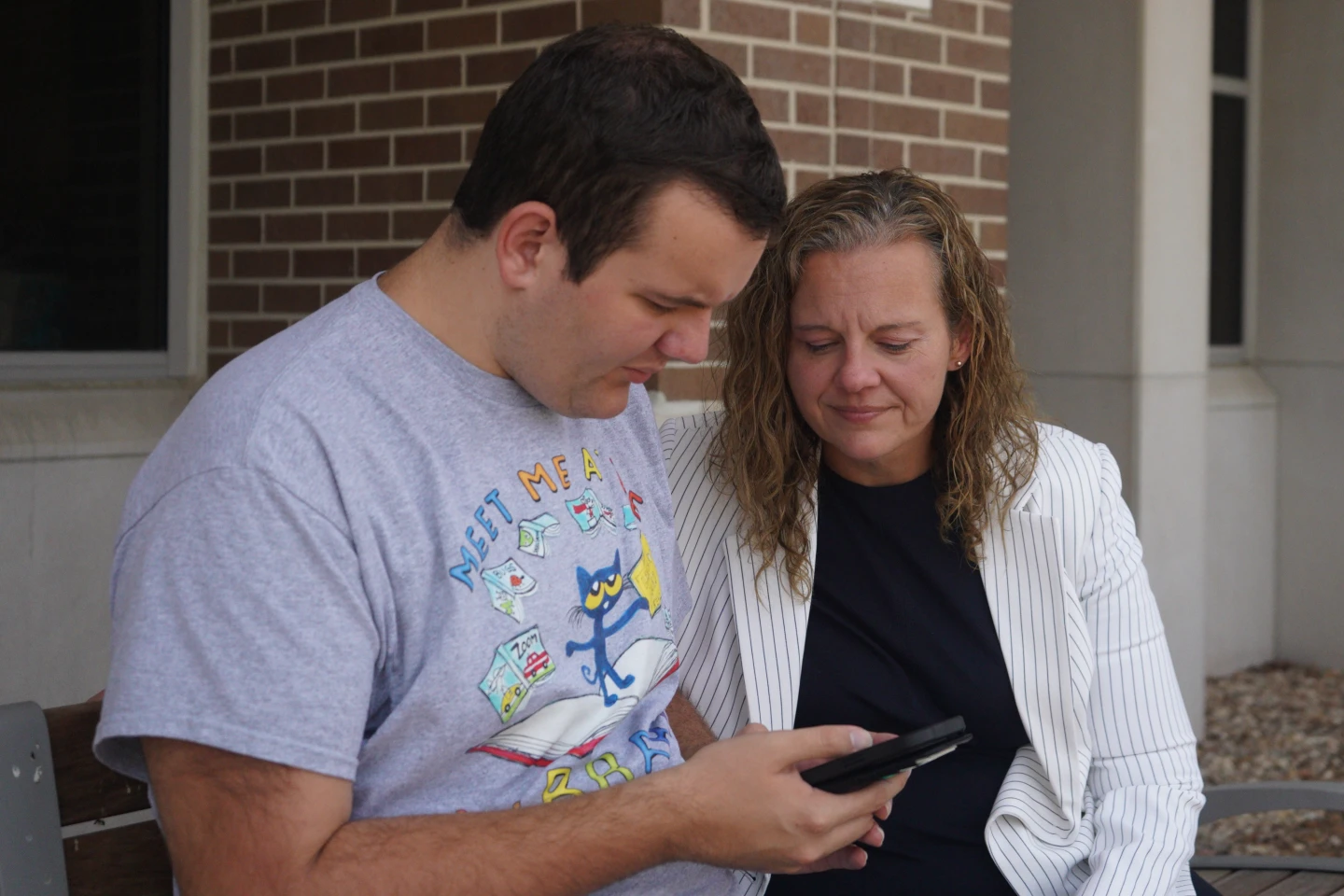
An Indiana mother with an autistic son criticized President Donald Trump for his recent remarks suggesting that taking Tylenol while pregnant could lead to autism, stating that his comments unfairly place blame on mothers. A Kentucky woman diagnosed with autism as an adult expressed concern over Trump vilifying the condition, describing it as a 'horrible crisis.' In contrast, a Massachusetts father of twins with profound autism found hope in the government’s elevated discussion of autism.
Trump's statements have ignited a nationwide conversation among the autism community, revealing a wide spectrum of viewpoints. Some welcome the renewed attention and potential research funding, while others are angered by the implications of guilt and the propagation of unproven claims.
On a recent Monday, Trump warned pregnant women against using Tylenol, known scientifically as acetaminophen, playing into discredited theories tying it to autism, despite the lack of causal evidence. Many studies have found no significant correlation between Tylenol use and autism, while the misconception linking vaccines to autism has been thoroughly debunked.
Challenging the Narratives
Dr. Noa Sterling, an OB-GYN, pointed out that Trump’s comments resonate deeply with parents who fear they may inadvertently harm their children during pregnancy. Dani Derner, a mother of an autistic child, echoed these sentiments, highlighting the unfair blame mothers face in society.
Some, like Dani Bowman, a CEO with autism herself, argue that autism is intrinsic to their identity rather than a condition to be eradicated. Katy Thurman, diagnosed as an adult with autism, firmly stated that the real crises in the country do not stem from being autistic.
Seeking Solutions for Profound Autism
Despite the backlash, there’s a sense of optimism among some families regarding governmental discussions about autism. Matt Murphy, a father of twin boys with profound autism, sees potential for necessary federal support for people requiring constant care. Others, like Judith Ursitti from the Profound Autism Alliance, acknowledged the complexity of the autism spectrum, asserting the need for targeted discussions and funding.
As families push for comprehensive support mechanisms to aid autistic individuals within various contexts—including education and healthcare—they remain wary of any narratives that unjustly assign blame to mothers for their children's conditions.