
In brief
In the shadow of Donald Trump's controversial statements regarding Greenland, locals express deep-rooted sentiments for self-determination and cultural preservation.
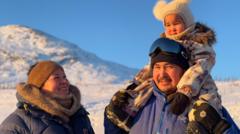
Amid the breathtaking icy fjords of Greenland, locals are feeling the impact of U.S. President Donald Trump's remarks about the region's potential acquisition. The beautiful sun-drenched landscape of Greenland contrasts sharply with the tension sparked by Trump’s refusal to rule out military action to seize the territory. Conversations throughout the island reflect a resounding sentiment: "Greenland belongs to Greenlanders." In the remote settlement of Kapisillit, with a mere 40 residents, I spoke to local church elder Kaaleeraq Ringsted, aged 73. Laughing initially, his demeanor quickly shifted when discussing the prospect of Trump invading or trying to buy Greenland. "It is not acceptable that he says this. Greenland is not for sale," he emphasized, highlighting his connection to this land that has been passed down through generations.Trump's rhetoric has raised eyebrows not only in Greenland but globally, leading to responses from various voices on the island. Fisherman and farmer Angutimmarik Hansen joked about being prepared for an invasion, yet he voiced serious concern over the situation: "What a stupid person in the world like Trump. Never will we sell Greenland." He remains optimistic about U.S.-Greenland relations but firmly believes that Greenland’s future is not in the hands of American politicians but in the hands of its own people.In the wake of Trump Sr.'s comments, Donald Trump Jr. made a brief visit to Nuuk, furthering the conversation around Greenland’s sovereignty. While warmly welcomed by some locals who hope for increased trade and cooperation, mixed feelings prevail about the American interest. Proponents of independence want Greenland to negotiate directly with the U.S., distancing from historical ties to Denmark, which has funded a significant portion of Greenland's economy through subsidies making up about 20% of its GDP.Kuno Fencker, a local MP advocating for independence, stressed the need for Greenland to negotiate as a sovereign entity. “We need support in defense, security, and also economic development,” he noted, underlining the balancing act between pursuing independence and maintaining economic viability.Concerns about the implications of Trump's comments are echoed by Maasana Egede, editor of the Greenlandic newspaper Sermitsiaq, who laments the polarized debate about independence. "There's a living standard that has to be maintained," he urges.As the Prime Minister of Greenland, Mute Egede, insists on a shared Greenlandic identity, his dialogue with the Danish Prime Minister underscores the complexities of upcoming decisions about sovereignty. “We do not want to be Danish, we do not want to be American, we want to be Greenlandic,” he stated firmly.Amidst these political tensions lies a darker history of colonial injustices that still resonate with the Indigenous Inuit population. Maliina Abelsen, former finance minister, reminds us that without recognizing and healing from past grievances, moving forward as a unified entity remains a challenge. "You cannot move on if you have not been healed."Overall, the mixed emotions surrounding Trump's provocative comments invite a deeper reflection on Greenland's future, with a unified message emerging from both remote settlements and the capital: the island must define its destiny on its terms. With heightened global interest, locals are reclaiming their narrative, ensuring their voices and rights become central to the ongoing conversation about Greenland's fate.

