
In brief
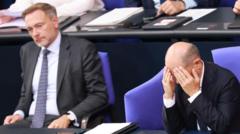
Germany's ruling coalition faced a severe crisis when Chancellor Olaf Scholz announced the dismissal of Finance Minister Christian Lindner, igniting a potential path toward early elections. The "traffic light" coalition, comprising Scholz's Social Democrats, the Greens, and the Free Democrats (FDP), can no longer claim a parliamentary majority, with Scholz citing a breach of trust as the reason for Lindner's firing. This political upheaval arises amidst ongoing tensions regarding fiscal policies in light of external economic pressures, particularly following geopolitical changes and domestic socio-economic challenges.
In response to Lindner's alleged prioritization of party interests over national stability, Scholz expressed distrust and indicated plans for a vote of confidence in January. The current situation, marked by disagreements over budget policies and economic strategies, leaves Germany's future uncertain as various factions clash over financial governance in an increasingly complex political landscape. The Greens' Economy Minister Robert Habeck confirmed their commitment to the coalition despite the turmoil. The confidence vote in the Bundestag could lead to snap elections if the government is rejected, intensifying anxieties surrounding the stability of Europe's largest economy.
