In brief
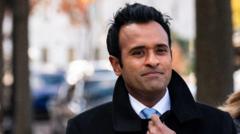
In a recent online debate sparked by Vivek Ramaswamy's defense of the H-1B visa program, prominent supporters of Donald Trump expressed conflicting views on immigration, exposing potential rifts as Trump prepares to take office.
High-profile supporters of President-elect Donald Trump are at odds over the H-1B visa program aimed at attracting skilled foreign workers, signaling potential discord within his administration. The disagreement was ignited by a recent tweet from Vivek Ramaswamy, a key ally appointed by Trump to streamline government spending, in which he advocated for the visa system and chastised American parenting culture.Ramaswamy argued that foreign workers contribute to the U.S. economy's competitiveness in his post on X (formerly Twitter), stating, "Our American culture has venerated mediocrity over excellence." His views received support from tech entrepreneur Elon Musk, who defended the hiring of foreign talent. However, Ramaswamy's defense triggered backlash from factions within Trump's base who vehemently oppose immigration, indicating a divide among the Republican ranks.This online dispute unfolded over the holiday period, drawing in both mainstream Republicans and far-right commentators. Nikki Haley, a former ambassador to the UN and presidential candidate, challenged Ramaswamy's perspective, asserting, "There is nothing wrong with American workers or American culture." She emphasized the importance of prioritizing American talent over foreign competition.Far-right influencer Laura Loomer also joined the fray, criticizing Trump's decision to appoint India-born Sriram Krishnan as a senior advisor on AI, labeling him a "career leftist." Loomer further escalated tensions by posting inflammatory comments about Indian immigrants and accusing Musk of censorship over his management of X.Although Trump has historically criticized the H-1B program, promising to enforce stricter immigration policies, he appears to be navigating pressure from both sides of the debate as he prepares to assume the presidency. Meanwhile, data shows that a substantial percentage of H-1B visas are allocated to Indian and Chinese nationals, raising questions about the program's impact on domestic employment.As Trump addresses this contentious issue, his administration's stance on immigration could shape the narrative of the upcoming term, leaving both supporters and critics to watch closely how these internal dynamics play out.