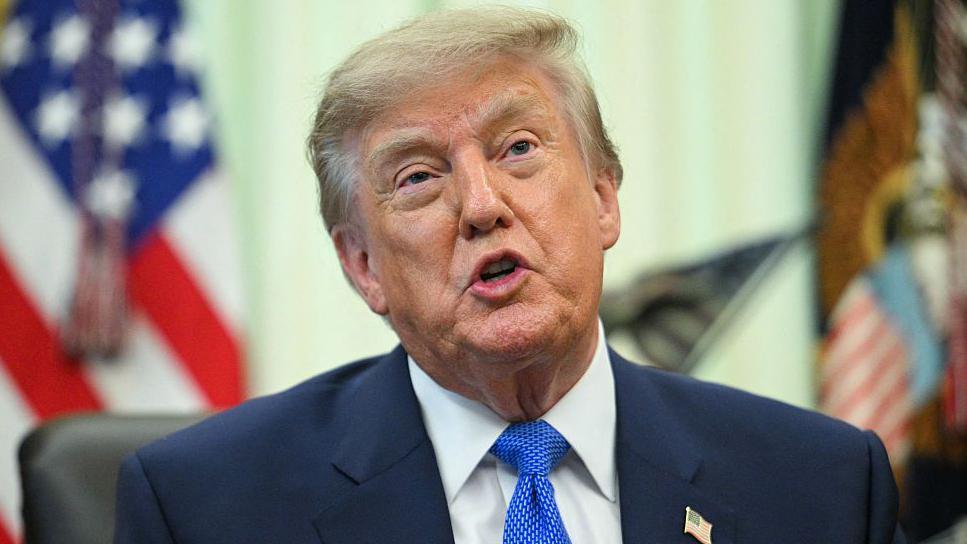
India’s student‑run movement known as the Cockroach Janta Party (CJP) ended its protest after Education Minister Dharmendra Pradhan stepped down in a post on X.
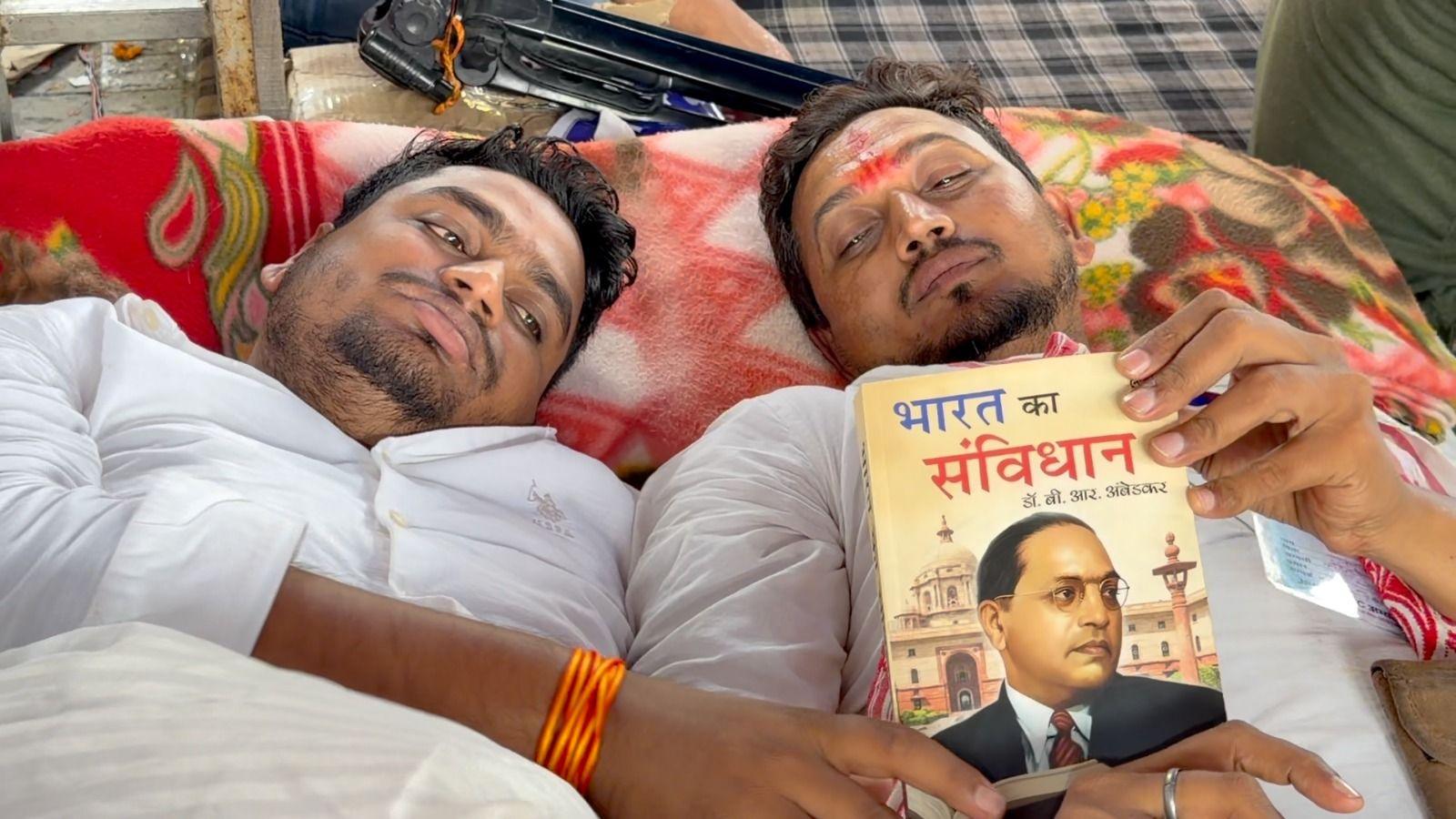
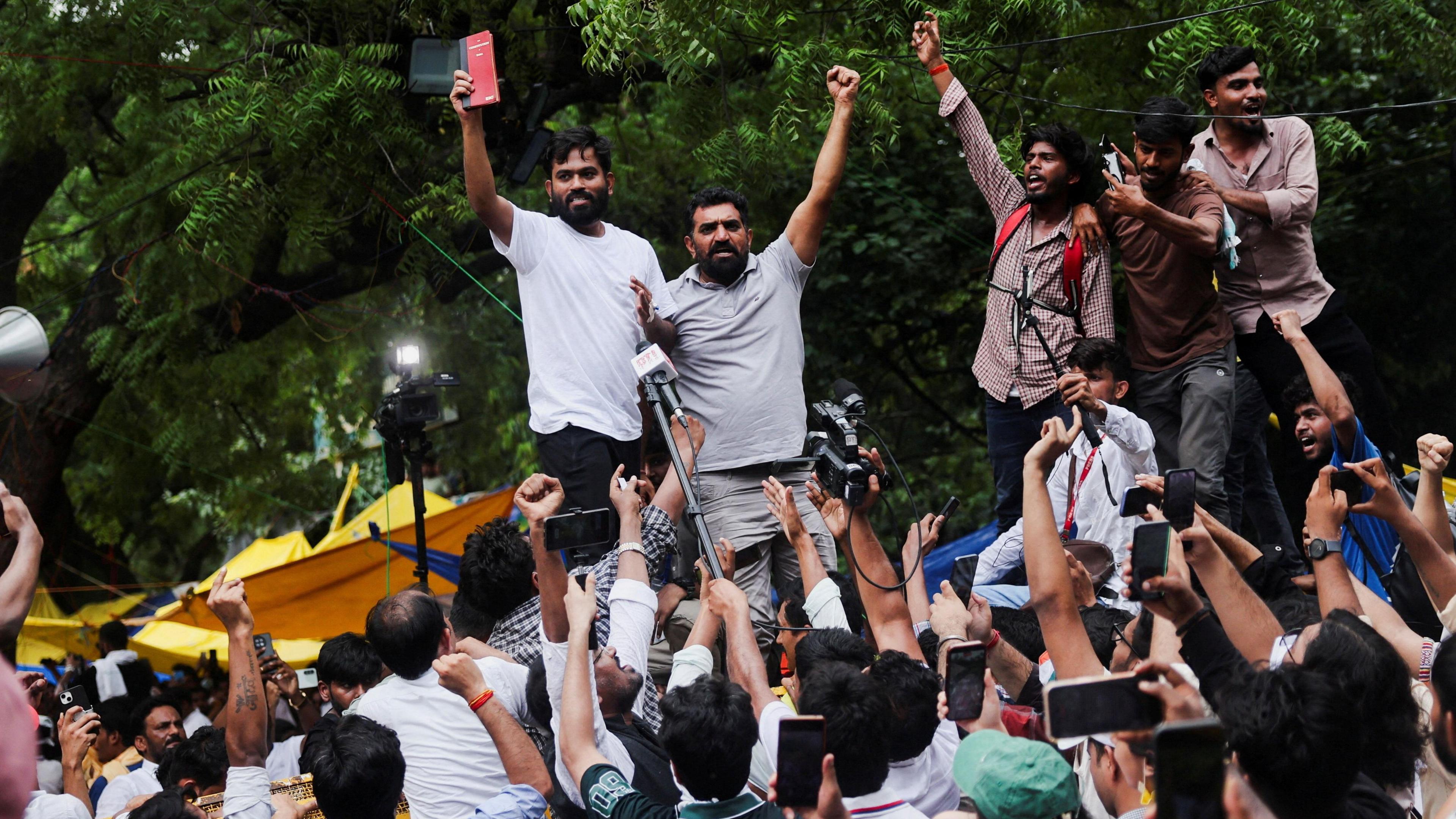
The CJP, started as a satirical online campaign, had organised a five‑week sit‑in at Delhi’s Jantar‑Mantar. Protesters called for reforms to the country’s exam system, accountability for leaked test papers and the resignation of Pradhan, whose ministerial role had been shaken by a leaked National Eligibility cum Entrance Test paper in the spring.
Following the minister’s resignation, supporters celebrated by singing, dancing, and handing out sweets. Social media posts from the movement’s founder, Abhijeet Dipke, declared the protest “a win for democracy.” The authorities said police would only intervene if law was breached, and thousands remained on the grounds into the night.
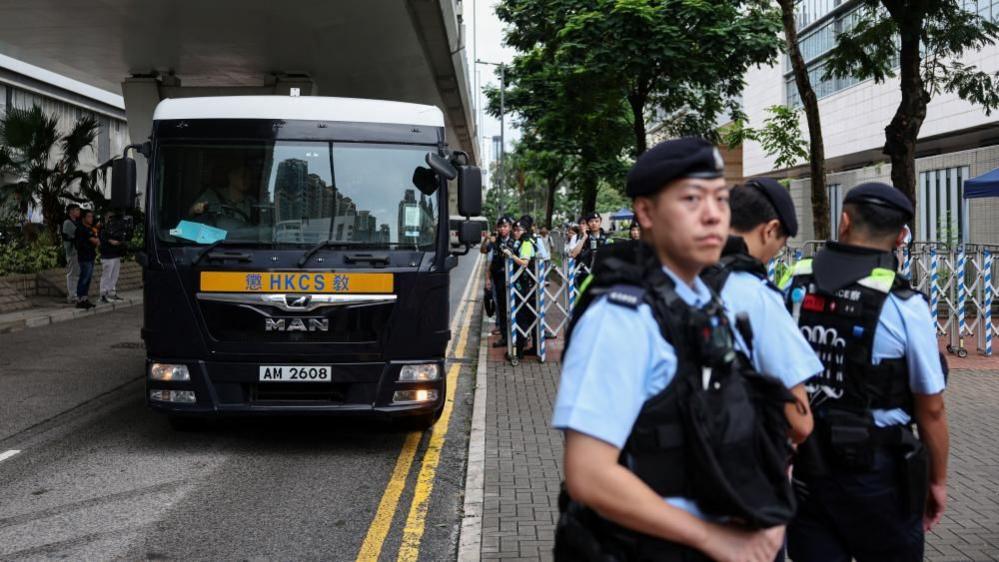
The protest’s emergence marked a rare moment of dissent in Narendra Modi’s government, which has traditionally cracked down on mass mobilisations. Earlier this year a police crackdown on Monday’s march to Parliament left about 300 hurt and 70 arrested in the “politics of beat‑and‑handcuff.”
While the CJP disbanded, Dipke pledged to continue fighting for students who died by suicide after a key medical exam was cancelled, and to push for fast‑track courts dealing with exam‑paper leaks. The movement has amassed 26 million followers on Instagram and gained the support of major opposition parties, activists and several celebrities.
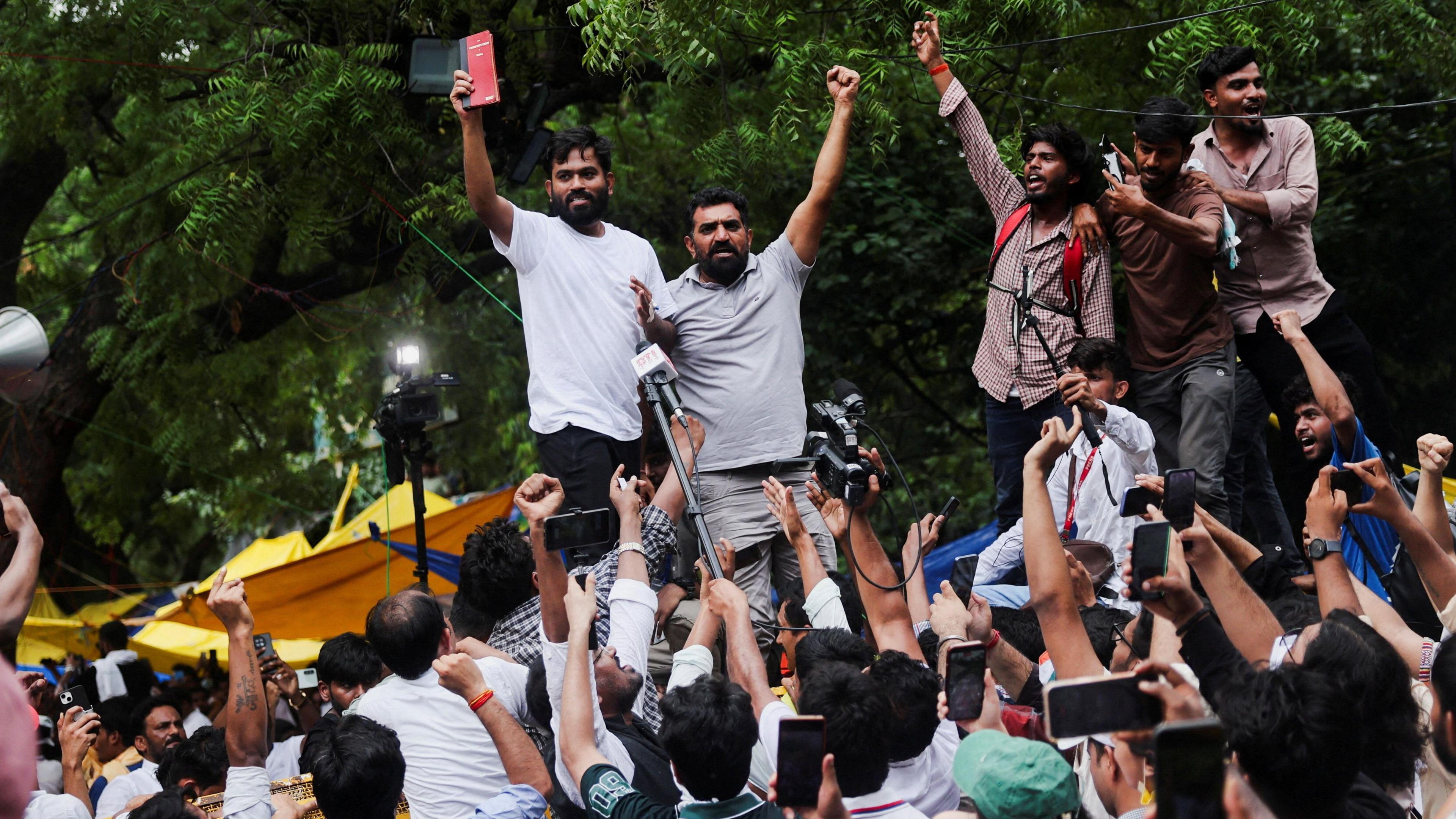
The incident highlights renewed demands for fair examination practices and more transparency in India’s educational system. The CJP’s call for a “tough new law on examination paper leaks” was echoed by Prime Minister Modi, who stated that Parliament will soon introduce a draft law in response to the protests.
Follow BBC News India on Instagram, YouTube, Twitter and Facebook.