
In brief
Following the rollout of mpox vaccines in DR Congo, medical personnel report a decline in new infections, with daily cases dropping to just a few. While the World Health Organization confirms a plateau in cases, experts warn that the situation remains precarious, particularly for children who are disproportionately affected by the outbreak.
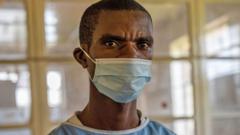
Medics at the forefront of the mpox outbreak in eastern Democratic Republic of Congo (DRC) are beginning to see a welcome improvement, with daily case numbers falling significantly. Nurses at the Lwiro clinic, which has been a major hub for treating mpox patients, report only two or three new cases per day compared to the previous influx of 10 to 15 cases. This positive shift follows the introduction of a vaccination campaign last month supported by international donations.The World Health Organization (WHO) acknowledged this plateau in new cases but urged caution, stressing that the long-term impacts of the vaccination effort are still under evaluation. The disease, formerly known as monkeypox, has claimed over 900 lives in DRC this year alone, posing a serious health challenge.When a BBC team visited Lwiro in September, the clinic was overwhelmed, with patients lining up for care and many patients squeezed into overcrowded wards. However, upon a recent visit, the scene was markedly calmer, sparking hope among medical staff. Nurse Emmanuel Fikiri noted, "Right now, we can't have more than 60 patients in the hospital," indicating a welcome change in the situation.The vaccination program, which commenced in October, has thus far vaccinated over 50,000 individuals, with a focus on high-risk areas. Still, experts warn that children represent a significant portion of those infected. Dr. Jean Kaseya of Africa CDC reported that nearly 30% of cases involve children, who are currently not included in the vaccination strategy.While some community members now seek medical attention promptly, rather than resorting to traditional healers, nurses remain vigilant. "We can't confirm that we've totally stabilized the disease," remarked nurse Jackson Murhula, emphasizing the need for ongoing monitoring and intervention. As WHO's Dr. Samuel Boland stated, "Collectively, it still is a very significantly affected country globally," calling for sustained efforts in vaccination and public health initiatives. Despite a challenging landscape, there is cautious optimism that with continued efforts, including potential UK vaccine approvals for children, the situation may continue to improve in the months ahead.

