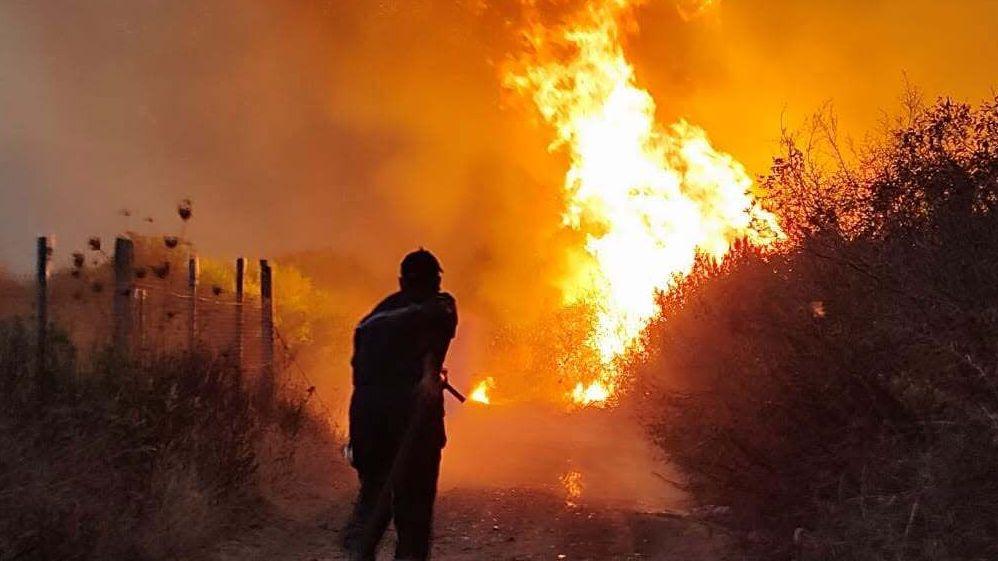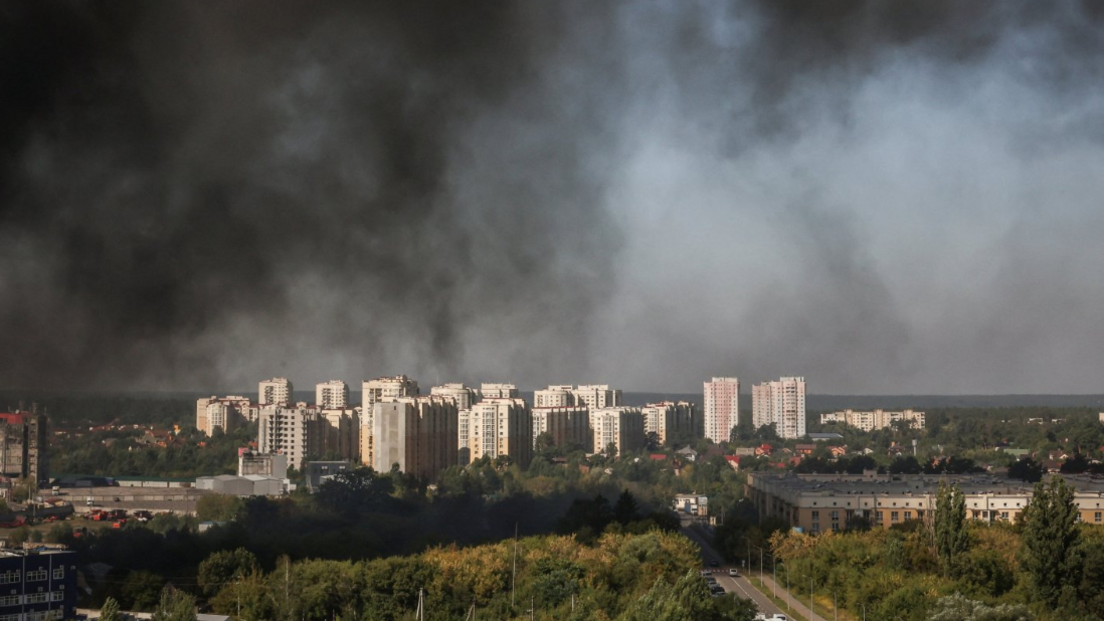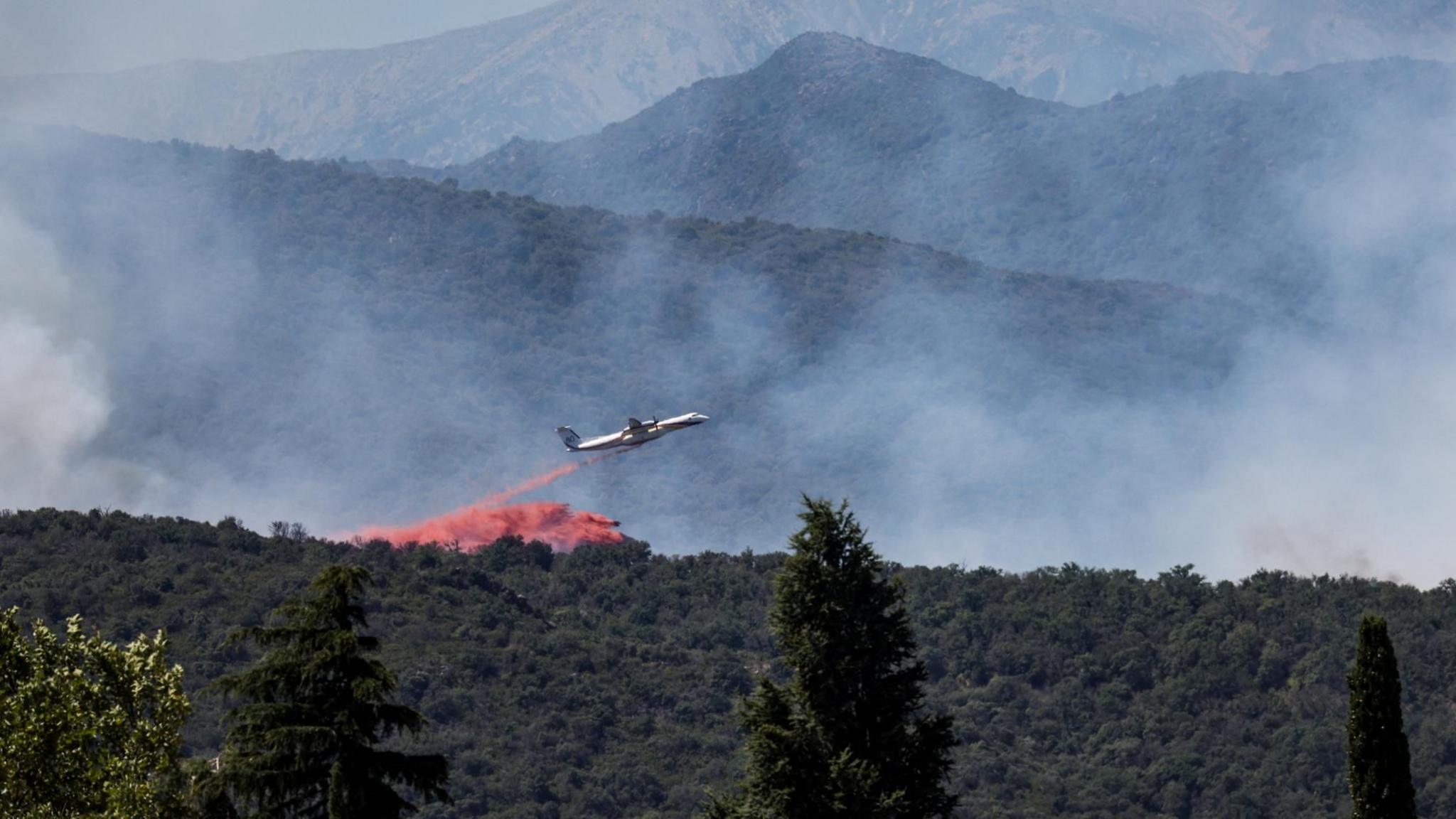
Wildfire in Southern France forces the evacuation of more than 10,000 people as a brutal heatwave turns the French Pyrenees into a tinderbox.
The blaze, which broke out near Trévillach around Perpignan, has raged across the foothills of the Spanish border, burning an estimated 4,600 hectares (11,366 acres). Local prefect Pierre Regnault de la Mothe posted the scale of the spread on X, confirming that the fire threatened homes within 300 metres and licked the 10‑by‑10 km patrol area.
In response, the Interior Ministry, led by Laurent Nunez, ordered the mass evacuation of Pine towns like Trévillach, Ferrot, and Les Bélair. Residents were instructed to leave by late in the day, and the French Civil Protection has deployed several firefighting planes, including aircraft from Cyprus and Sweden, as announced by EU President Ursula von der Leyen.
The heatwave isn’t finished yet. Early July temperatures have already spiked to 40°C in parts of southern France, Portugal, and Spain, and forecasts predict the heat will persist into the week with little rain. BBC Weather’s lead forecaster Matt Taylor notes that the risk of further wildfire outbreaks remains high, especially given Europe’s accelerated warming rate.
The wildfire’s timing coincided with the final 40 kilometres of the third stage of the Tour de France, a 195.9 km long race that finished in Les Angles. The race organisers urged spectators to keep away from the finish line, allowing emergency vehicles unobstructed access. Race director Christian Prudhomme cautioned that “an exceptional fire calls for exceptional measures” for the event.
Meanwhile, Spain’s southern region suffered 2,200 hectares of loss in its Les Gavarres natural reserve. The blaze has reached 500 people in the Sierra de Espadan national park in eastern Castellón. Catalan authorities reported that the fire should be fully extinguished by the end of the week, according to Reuters.
The wildfire’s destruction is just a current echo of the larger climate crisis. During June’s record‑breaking heatwave, France recorded the hottest day on average in its history, with excess deaths tallying 2,025. Climate science shows Europe is warming twice as fast as the global average, driving more frequent heatwaves, drier lands, and intensified wildfires.
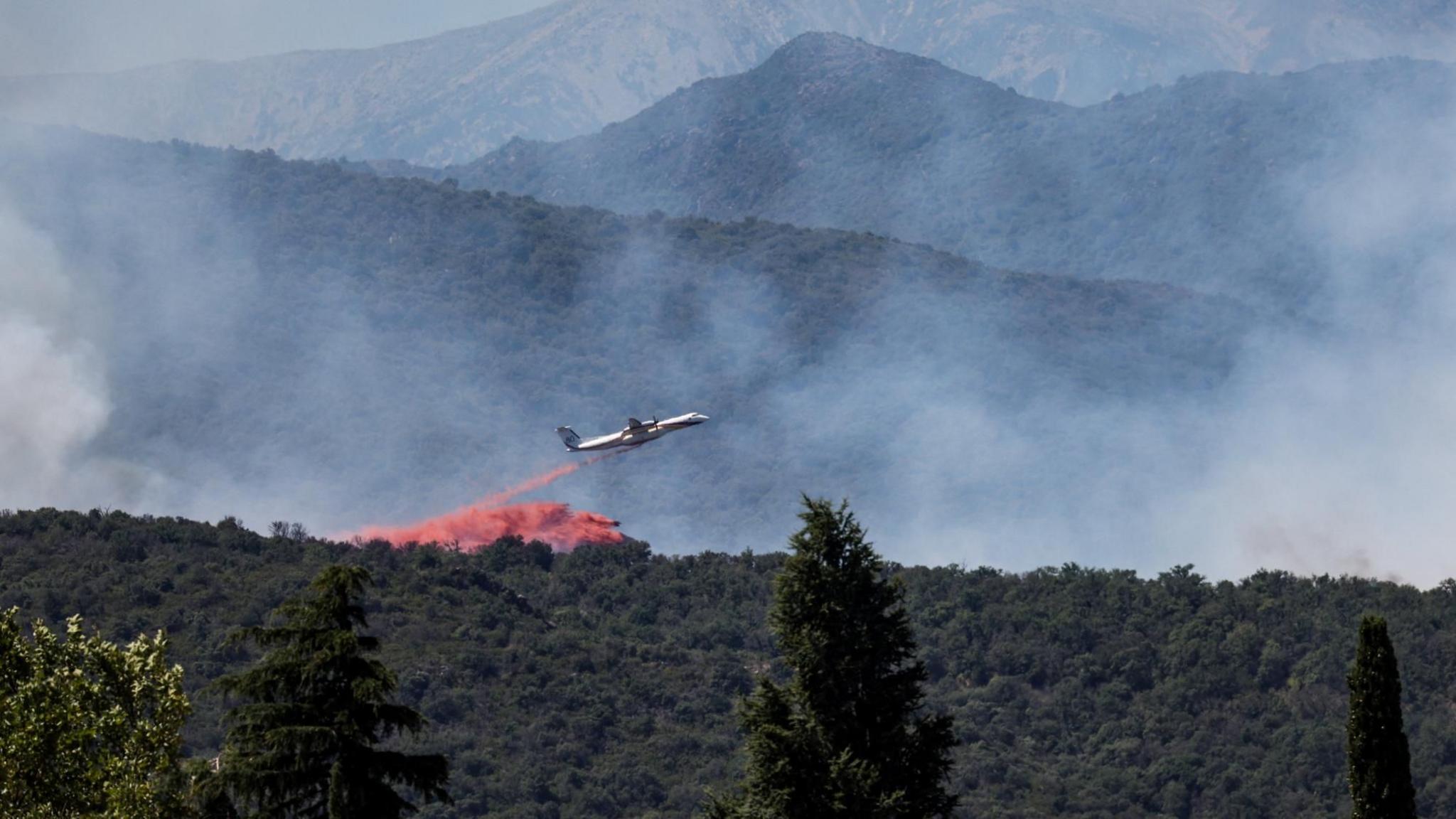
During the blaze, French officials are issuing real‑time updates, broadcasting the situation on the RTW platform’s live feed and interactive chat to keep residents and global observers informed as the fire evolves.