Why Iran Prefers Limited Hostilities Over Peace with the U.S.
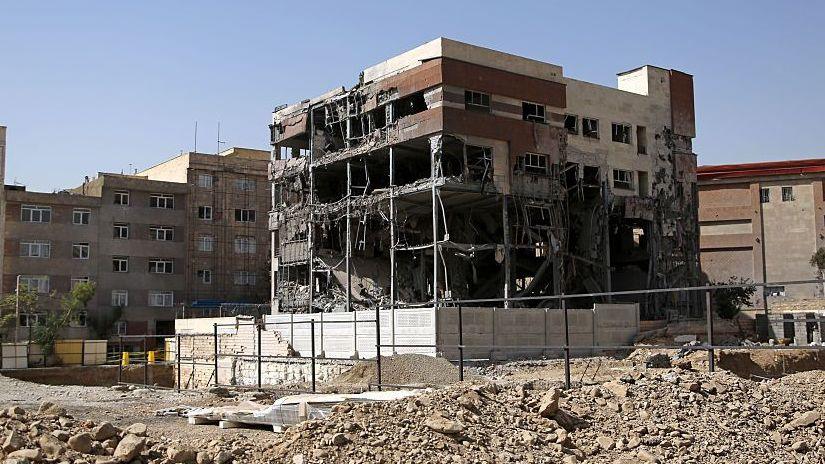
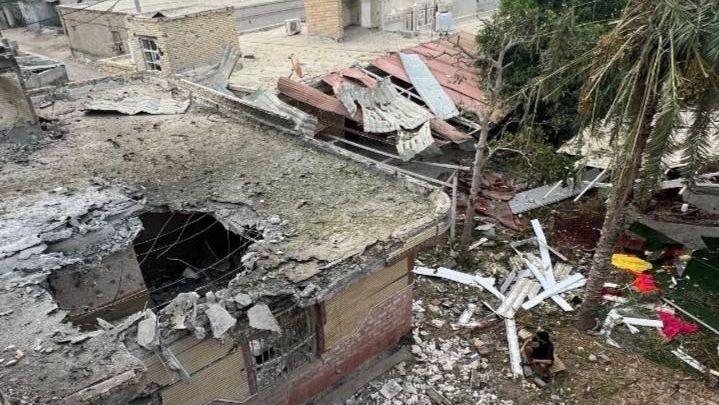
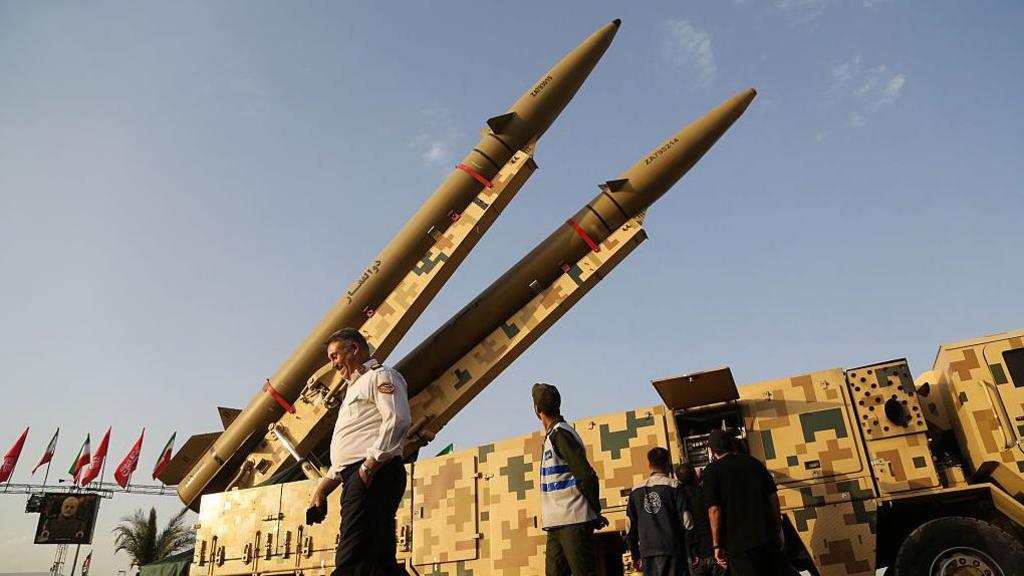
In early August, a surprise missile strike on a U.S. base in Jordan shifted the fragile calm that had kept Tehran and Washington apart. The move spurred immediate U.S. counter‑strikes inside Iran, reviving a low‑level conflict that both sides appear unwilling to expand.
One explanation is that Iran sees a controlled war as a better strategic tool than a tentative cease‑fire. By sustaining a limited clash, Tehran can maintain leverage over U.S. military posture, oil prices, and regional diplomacy while avoiding the full‑cost of war, such as crippling air defences, damaged infrastructure, and escalating sanctions.
The United States shows little appetite for a broader regional war that could threaten energy infrastructure, import supply lines, or push oil prices further higher. Therefore, the U.S. remains at a low‑level engagement, merely reacting to Iranian sorties that exceed past thresholds.
Iran’s domestic situation also shapes this calculus. High inflation, unemployment, and public dissatisfaction make the political climate fragile. A limited conflict can help rally nationalist sentiment and justify tighter security measures, reducing day‑to‑day political pressure, even though the economy still suffers.
If Tehran can keep its actions calibrated, the conflict might remain within the balance of power. Yet any uncontrolled escalation risks drawing in neighboring states and could prolong or intensify sanctions. The next Iranian or U.S. attack will decide whether the status quo of limited hostilities persists or moves toward a wider showdown.