In brief
With the imminent return of Donald Trump to the White House, Mexico faces significant uncertainties, especially relating to trade policies, immigration, and drug trafficking enforcement.
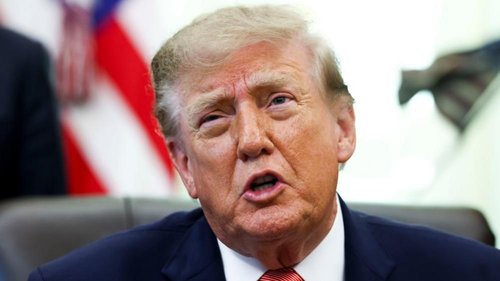
As Donald Trump gears up for a second term in the White House, Mexico, a nation with nearly 130 million residents, is bracing for potential upheaval. Trump has been vocal in his critiques and threats against Mexico, making it a central focus of much of his campaign rhetoric. As he prepares to ascend to power once again, his aggressive stance on immigration, trade, and drug policy has rekindled concern within Mexican leadership and society alike.During his campaign, Trump signaled intentions to reinstate formidable tariffs, revamp existing trade agreements, and threaten military action against drug cartels that have long plagued both nations. Although this past year has witnessed a notable decline in border crossings, largely due to Mexico's enforcement role under President Biden's administration, Trump’s ideology suggests a turbulent future in U.S.-Mexico relations.President Claudia Sheinbaum now faces the daunting challenge of navigating this precarious landscape. The next steps her administration takes will be critical, potentially shaping the future of North American diplomacy and the economic relationship between the two countries.Here are several key factors that outline the consequences of a Trump presidency for Mexico:1. Heightened Border Security: Trump has reiterated his commitment to stringent border security measures and mass deportations of undocumented immigrants. His approach starkly contrasts with the more lenient policies of the current administration, sparking fears of intensified migration crises and heightened tensions along the border.2. Surge in Tariffs and Trade Negotiations: Under Trump's vision, Mexico might confront a renaissance of steep tariffs and renegotiated trade deals. This shift could reverberate through various sectors of the Mexican economy, affecting everything from manufacturing to agriculture.3. Military Action against Drug Cartels: Trump’s military stance toward combating drug cartels could entail direct intervention on Mexican soil, an action with profound diplomatic implications and potential backlash from the Mexican government.4. Shifting Political Dynamics: The upcoming administration will likely prompt shifts in political alliances and policies within Mexico, as leaders adjust to the stark realities posed by a formidable U.S. administration that has historically leveraged economic and military power to shape its southern neighbor's policies.As Mexico braces for the implications of Trump's second presidency, the nation stands on the brink of critical changes that could alter the fabric of its relationship with the United States for years to come. The coming months will be crucial as both nations grapple with evolving challenges and realities in trade and immigration.