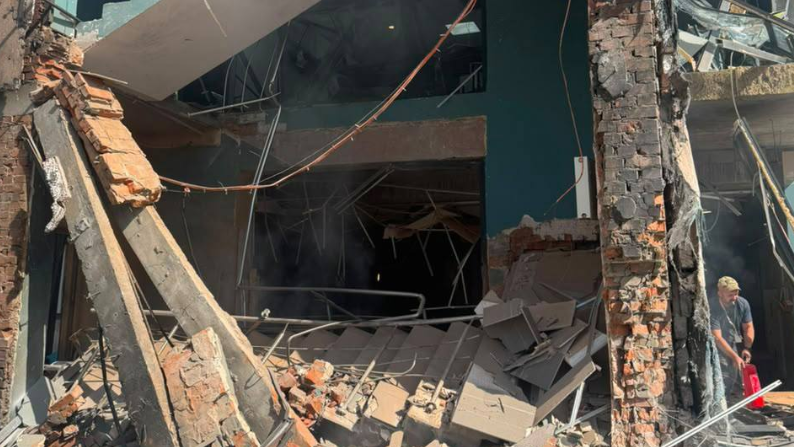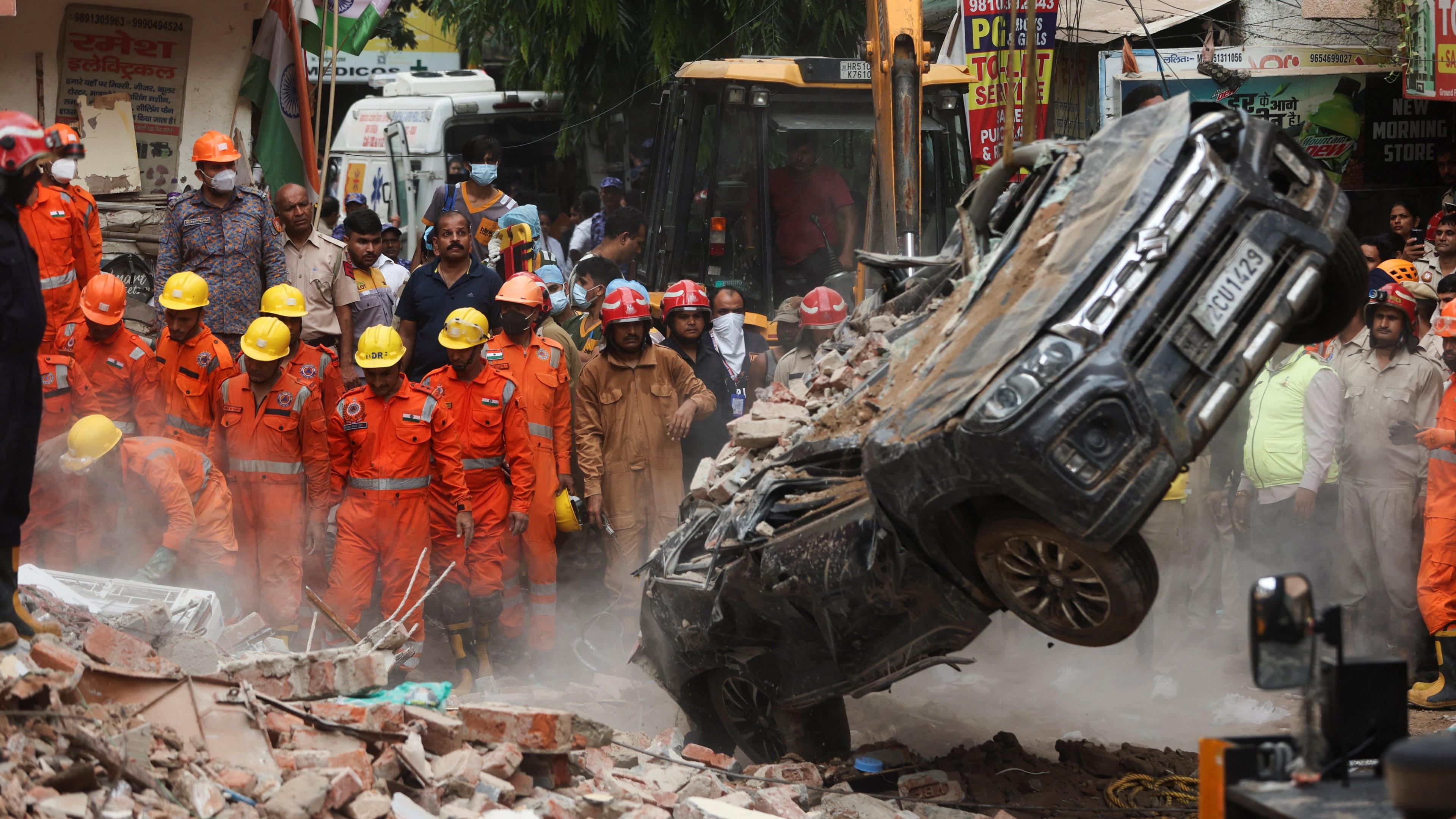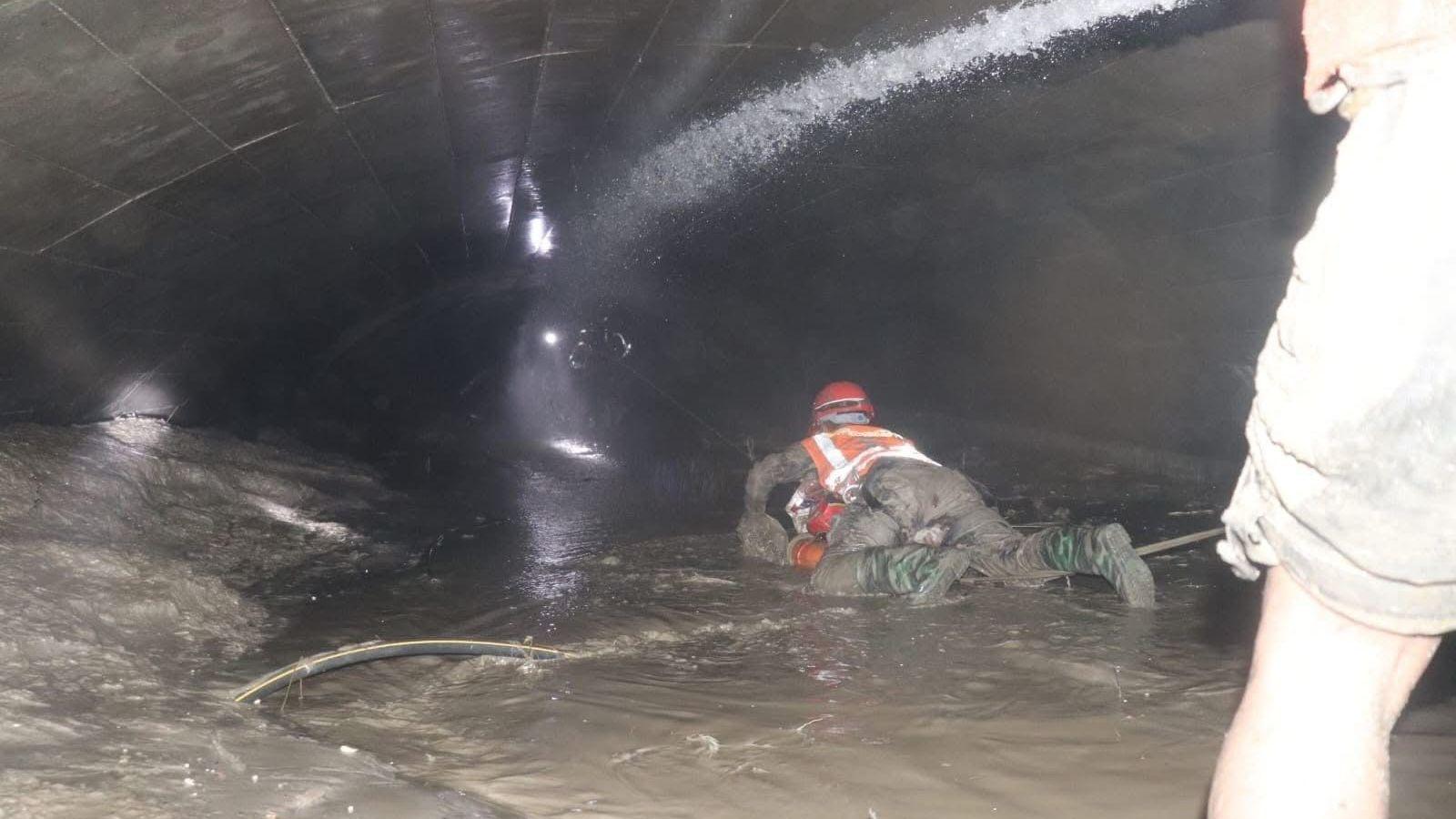
The twin earthquakes that struck Venezuela on Wednesday last week produced the deadliest natural disaster in the country’s history, killing at least 1,700 people and destroying key structures in the coastal town of La Guaira. As rubble piles sit around collapsed 12‑storey apartment blocks, families of the victims are pressing the government to step up rescue efforts.
“My son is still trapped under the rubble,” says Miguel Oscar Nunez, a resident whose 34‑year‑old son Angel was living in the damaged building. Miguel accuses authorities of negligence, stating that more machines and personnel are urgently needed to salvage survivors before the chance of rescue disappears.
Similarly, Kevin Montilla’s 16‑year‑old daughter remained in the collapsed home while her husband was at work. “The rescue operation started very late and the government has been impotent,” says Kevin as he recalls the slow arrival of first responders in the span of two days after the tremors.
In the aftermath, residents describe a “frustrating non‑cooperation” by local police who were present near the scene but did not assist in the search for survivors. Volunteer groups and local teenagers, arm‑bare, have taken on the lifting of debris, completing only a handful of rescues before more resources finally arrived from Venezuelan and Colombian teams.
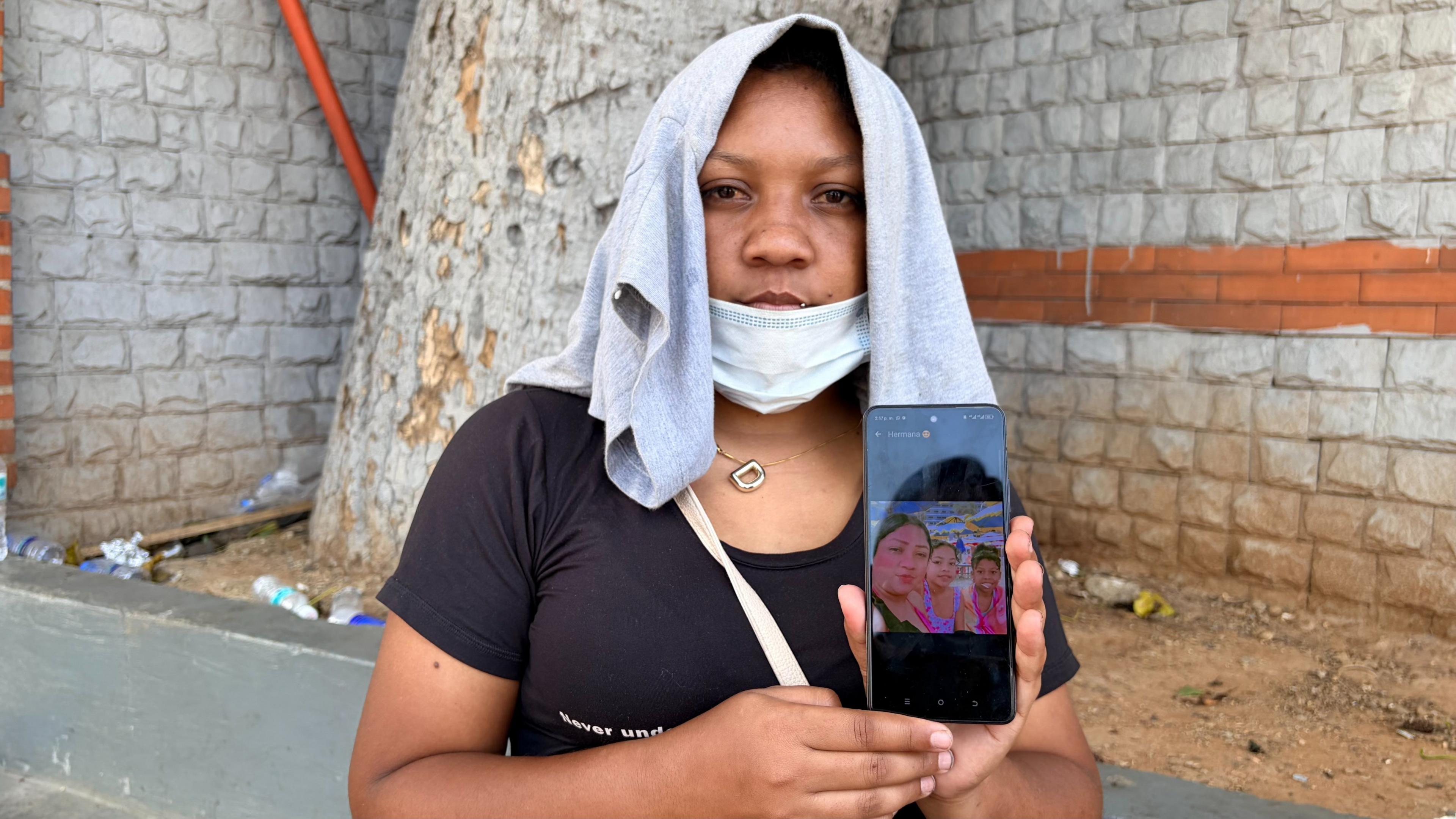
Deilisbeth Herreira, who was at work when the earthquake struck, now walks the streets of La Guaira in search of her 12‑year‑old daughter Greydelys, still missing. “I have no help,” she says, “no machines or rescuers have been sent to dig through the rubble.” The anguish of families was echoed by Juan Avendo, who claims that hundreds of people may lie dead beneath the concrete wreckage.
The families’ protests highlight how the government’s mitigation efforts can directly affect the survival of those trapped. With the country already facing economic and political challenges, the demand for better emergency preparedness has never been more urgent.