
In brief
The decision by South Korea's government that celebrities like the K-Pop group NewJeans are not classified as workers under the labor law has led to widespread criticism and calls for reform in the industry. Despite the group's claims of bullying and mistreatment, the ministry maintains that the criteria for workers do not apply to performers in the entertainment sector.
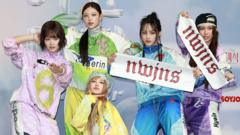
The K-Pop sensation NewJeans has garnered immense popularity, having sold more albums than any other girl band last year and amassing millions of fans around the globe. However, the government of South Korea has controversially denied that these celebrities qualify as workers. On Wednesday, the Ministry of Employment and Labor dismissed allegations of workplace harassment issued by the group in a recent livestream, stating that celebrities do not fit the definition of "workers" under the country's labor laws.This ruling has faced backlash from fans and advocates who argue that the entertainment industry's harsh working conditions necessitate reconsideration of these definitions. NewJeans, who has made waves internationally with hits like "Super Shy" and "OMG," had previously aired their grievances during a spontaneous YouTube broadcast on September 11.In this now-deleted video, member Hanni, at 20 years old, expressed her dissatisfaction with how they have been treated by their record label Ador, which is a subsidiary of larger firm Hybe. Hanni alleged that she and her bandmates were subjected to bullying and neglect by label employees, stating she felt "the company hated us." Her testimony at a government hearing has since led to fan-organized petitions advocating for better treatment of artists in the industry.Despite the gravity of their allegations, South Korea's labor ministry concluded that Hanni does not meet the legal requirements to be considered a worker due to the nature of her contract, which involves profit-sharing rather than guaranteed wages. Legal expert Chunghwan Choi emphasized that without set working hours and direct supervision, celebrities like Hanni fall into the category of independent contractors, further complicating the potential for legal recourse against perceived mistreatment.Critics argue this decision is emblematic of a broader issue within the entertainment sector, which often exploits its stars while lacking protective labor regulations. CedarBough Saeji, a scholar specializing in Korean studies, described the physical and emotional toll on K-Pop artists, who typically endure excessively long hours with scant breaks.There are currently no regulations in South Korea that protect the rights of entertainers, highlighting the urgent need for reform. Suggestions have been made to implement laws akin to the Talent Agency Act in the United States, which mandates that talent agencies operate fairly and with accountability through regulatory oversight.Amid this backdrop, fans of NewJeans have rallied under the hashtag "#IdolsAreWorkers," emphasizing the necessity for systemic changes within the industry. Despite the legal basis for the government’s ruling, activists demand expanded protections to ensure the well-being of those within the high-pressure world of K-Pop.As discussions on labor protections for artists continue, the future of K-Pop remains uncertain, with industry leaders and artists alike advocating for better treatment and reform in an environment notorious for its demanding standards.

