Ukrainian woman linked to Monaco bomb attack found dead in Ukraine
By Maia Davies and Sarah Rainsford, Eastern Europe correspondent
July 7, 2026 • Kyiv
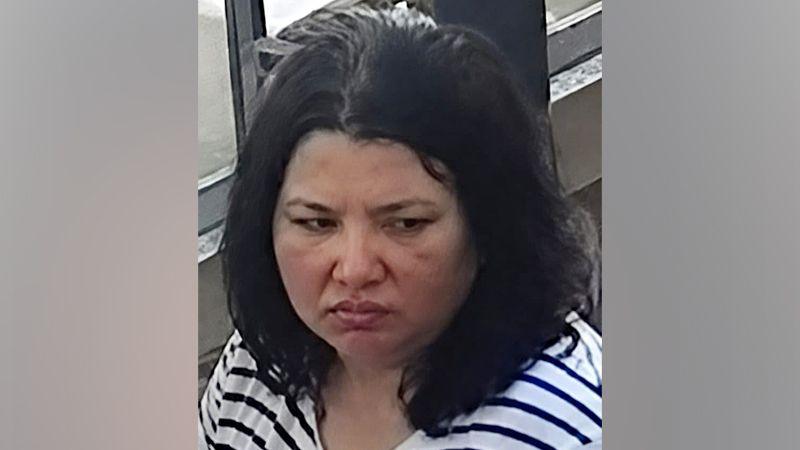
The woman believed to have planted a parcel bomb in Monaco, which injured a sanctioned Ukrainian multimillionaire and his family, has been found dead in Ukraine. Ukrainian security forces (SBU) announced that 39‑year‑old Anastasiia Berezovska’s body was discovered in a forest outside Kyiv, showing gunshot wounds to the head.
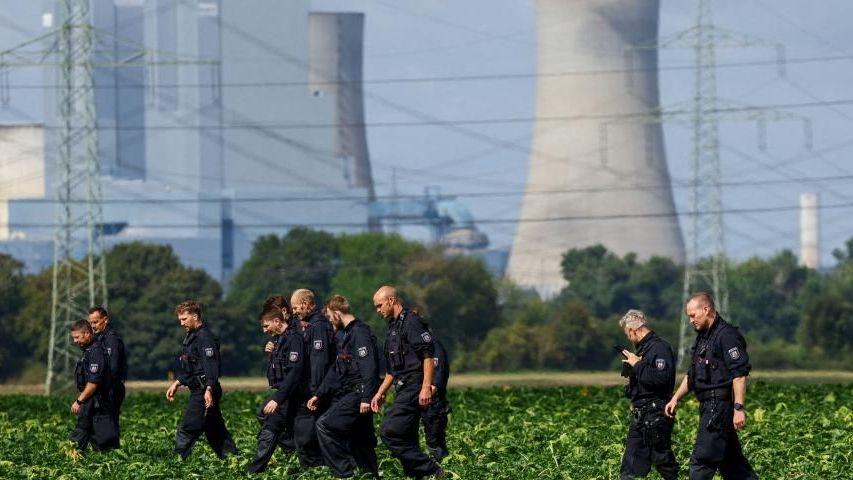
The SBU said a cross‑border hunt for Berezovska was launched after the bomb exploded in the entrance hall of a Monaco apartment building on 29 June. She was sighted exiting Monaco with a hired car and later moved to Italy and Germany, with police searching an apartment in Hesse where she was believed to have been hiding.
Investors who had transferred money to Berezovska’s crypto and bank accounts include two men named by prosecutors: a former law‑enforcement officer and an active officer in Ukraine’s Main Directorate of Intelligence (the Ministry of Defence). They are now charged with “intentional murder committed by prior conspiracy by a group of persons.” The intelligence officer later confessed to the murder and said he carried it out with another suspect.
A basement at the former law‑enforcement officer’s home was described by authorities as a “torture chamber” during a search, but prosecutors state there was no evidence it was linked to Berezovska’s case. The panel released a video of the room showing painted walls, blood spots, axes, a pickaxe and a large bag.
The bomb in Monaco blew up just after 21:00 local time, injuring three people, two of whom were seriously hurt. While Monaco authorities report the victim’s identity has not been confirmed, local media name it as the real‑estate developer Vadym Yermolaiev, his partner and a 13‑year‑old son.
Berezovska’s last two weeks are shrouded in intrigue: after the Monaco attack she crossed into Ukraine on 1 July, and two days later met with her supposed accomplices on a highway in the Kyiv region. They allegedly “was the victim travelled a certain distance with them, after which she was killed,” the prosecutor’s office said. Her arrival in Ukraine was documented by the SBU, which also claimed it had shared all known information with Monaco’s police and prosecutor’s office.
This case highlights the complex relationship between cross‑border crime, intelligence networks, and the use of financial conspiracy in modern terror threats. Authorities are still pursuing other suspects and working in close cooperation to prevent any further attacks.