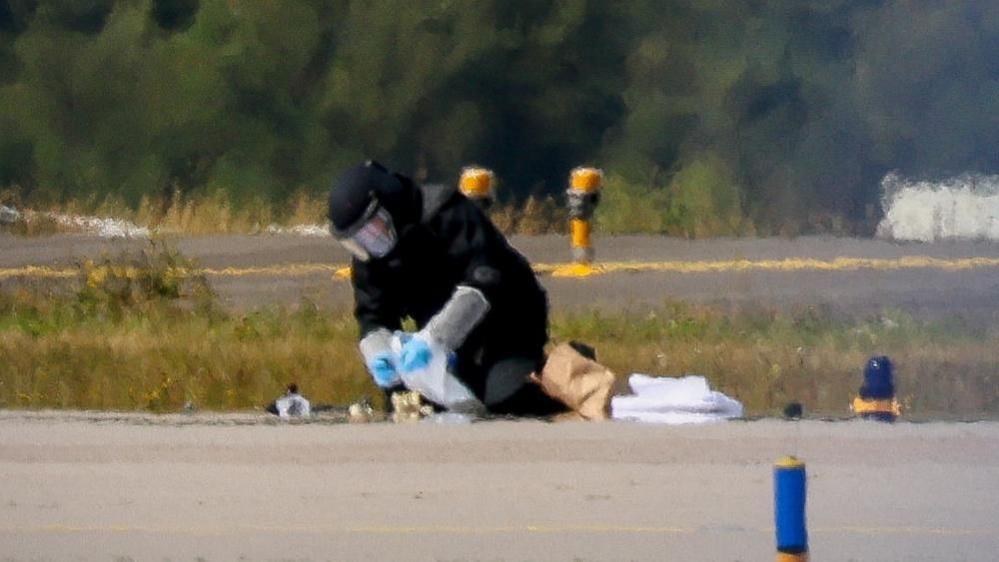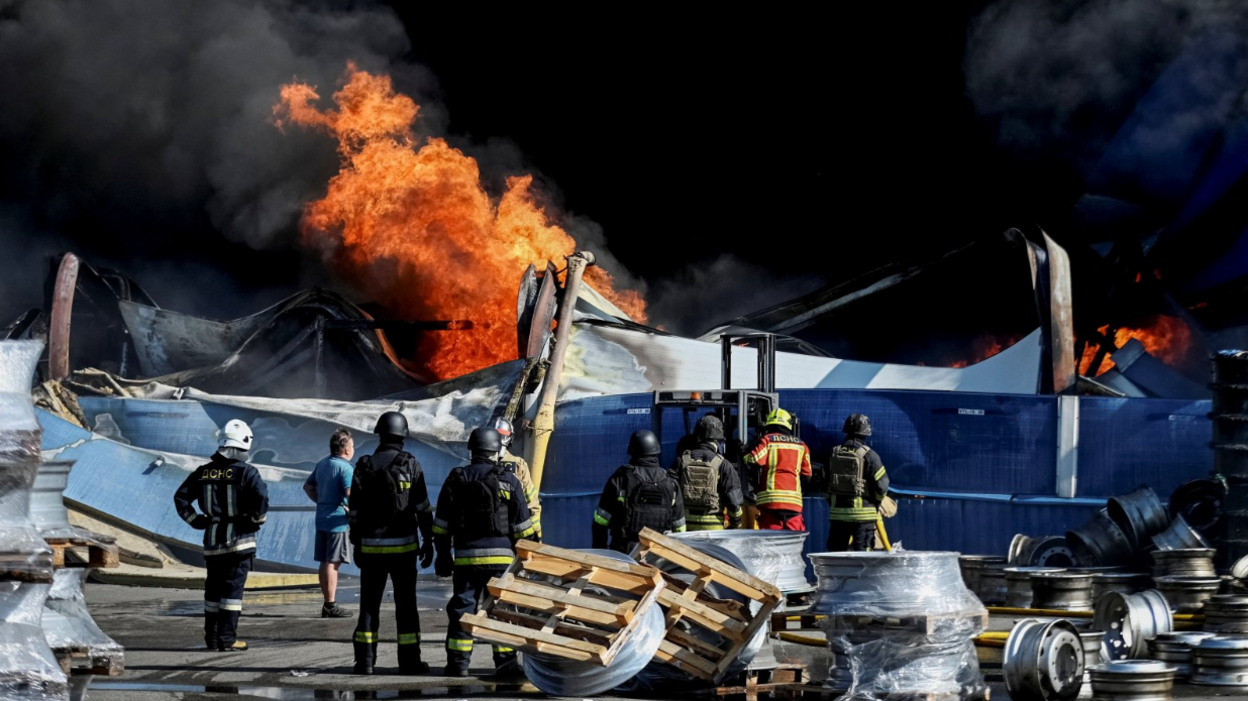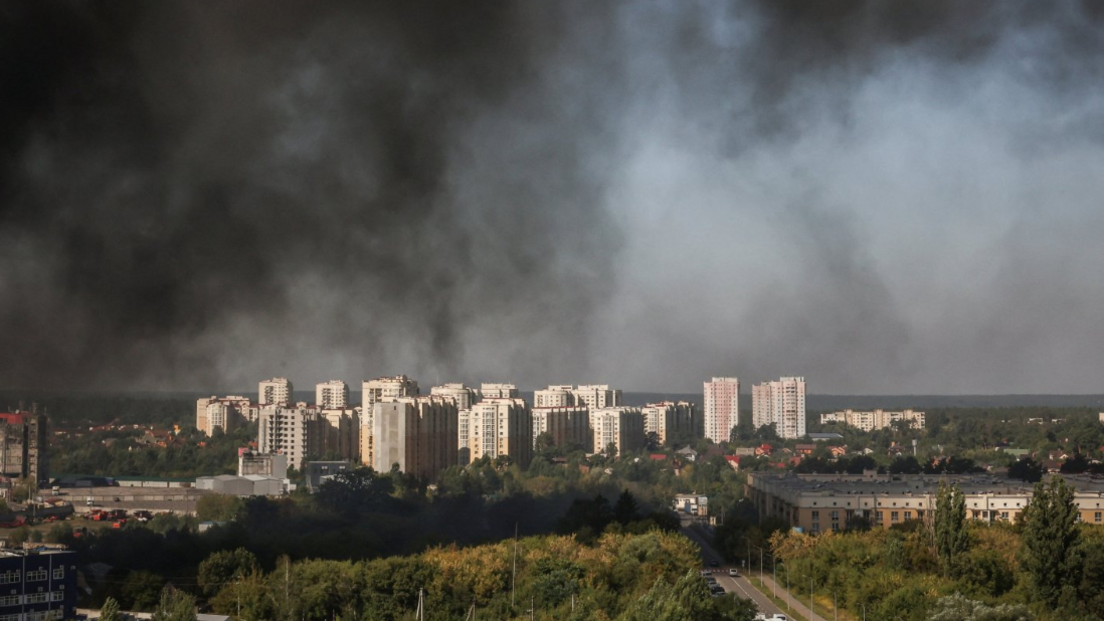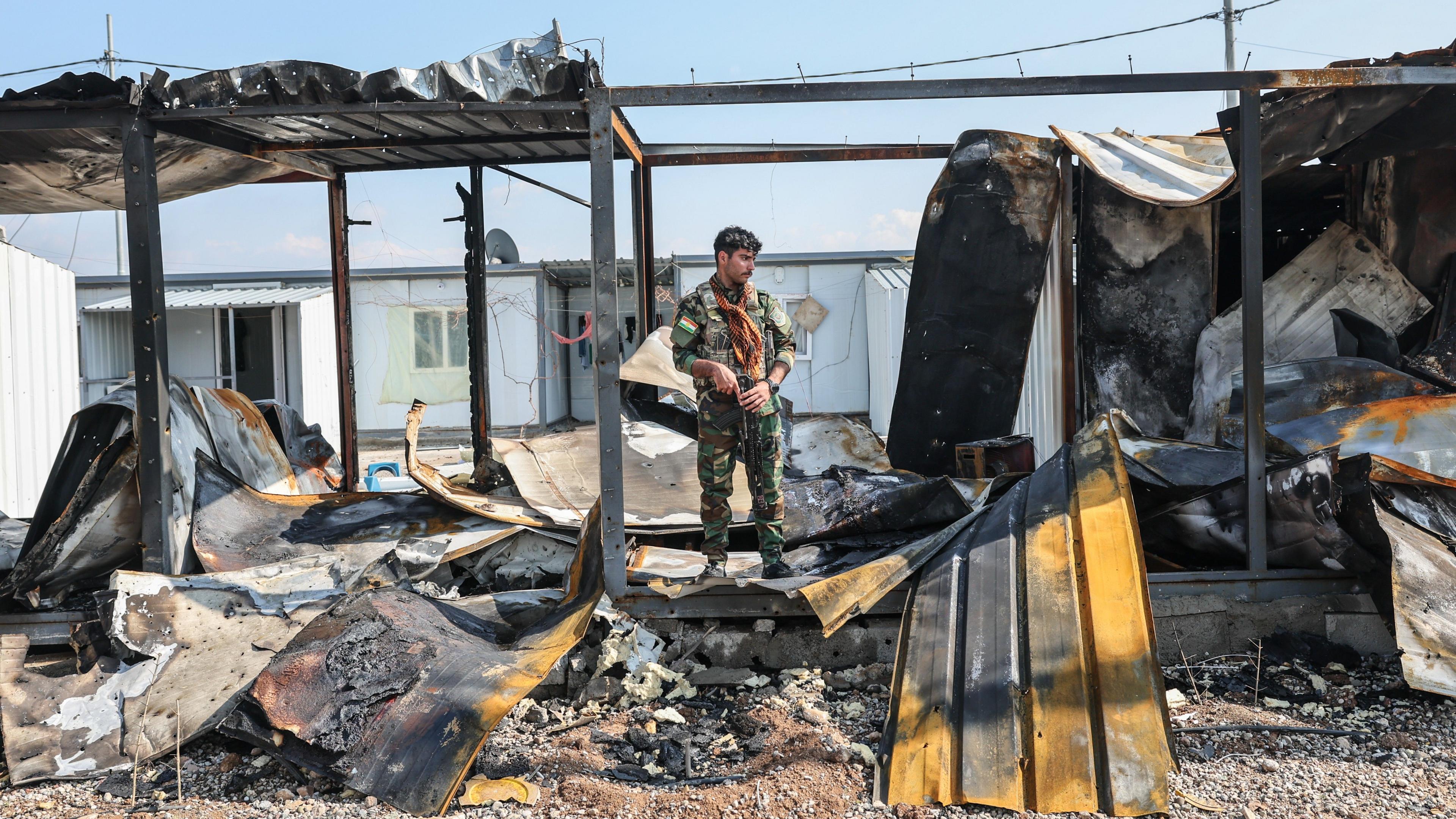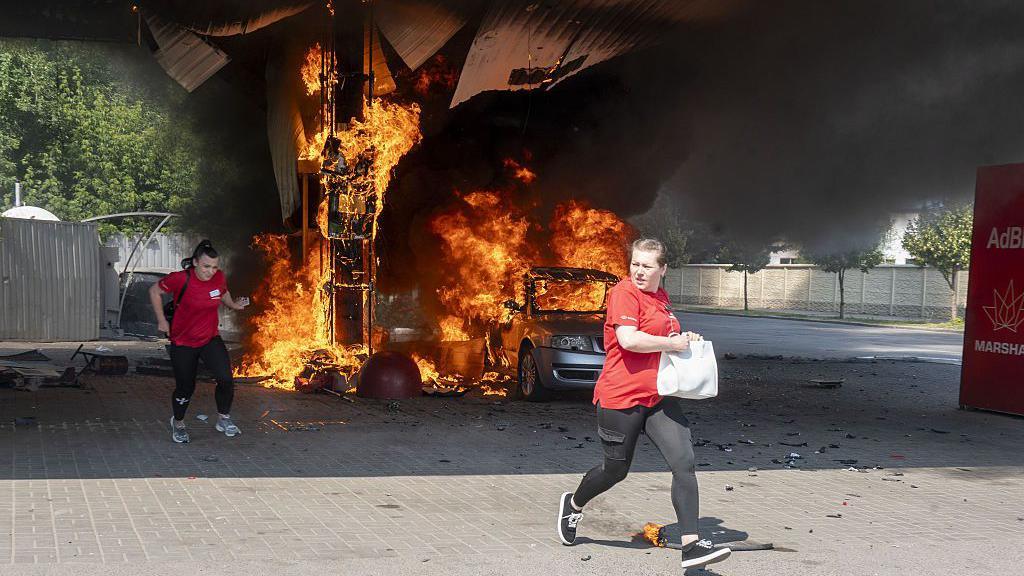
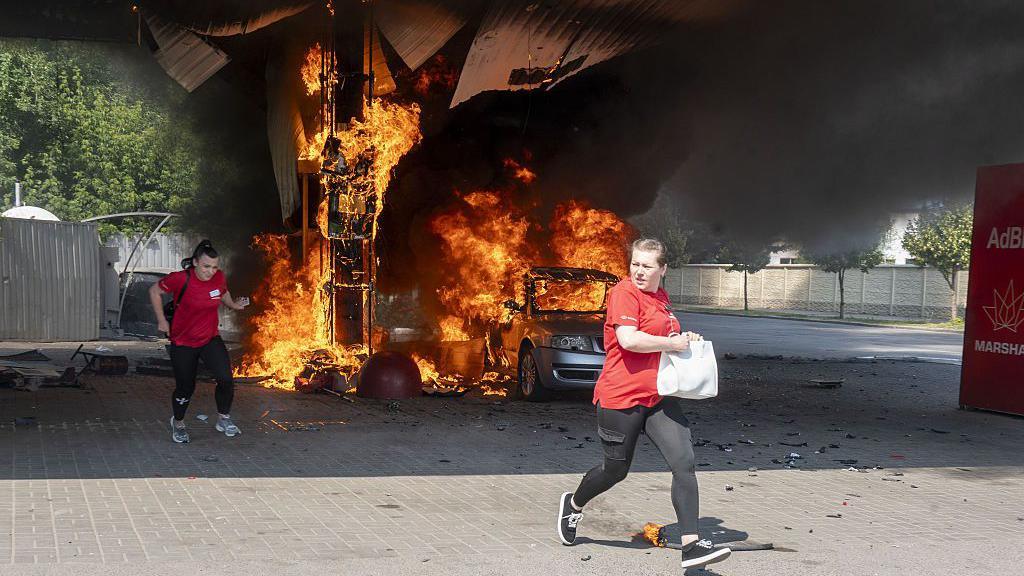
“Fill up quickly and move on,” says Mayor Ihor Terekhov as drivers in Kharkiv are warned to skip long fills after two petrol stations were struck by Russian drones on Monday. The hits wounded two civilians, and earlier this month a strike outside Kryvyi Rih killed three.
Russia’s systematic targeting of Ukrainian filling stations began in earnest in April, focusing on front‑line regions, and the attacks have grown increasingly frequent. According to Oleksandr Sirenko of the Nafto Rynok think‑tank, at least 246 Ukrainian stations have been hit so far. In July alone, 114 strikes were verified by the Centre for Information Resilience, double the number from June.
Policymakers have issued guidance urging motorists to vacate stations during air‑alert warnings and, when necessary, abandon their vehicles. “You can fix your car, but you won’t get your life back,” a police officer in Dnipropetrovsk region warned.
While civilian fuel supplies are heavily disrupted, they remain largely functional. A report by Ukraine’s National Bank finds that only 4 % of stations were damaged or destroyed, and sales in less contested regions have compensated for losses. In contrast, Russia faces a severe crisis: according to Izvestia, only 28 % of its filling stations remain operational.
Russian strikes on Ukrainian refineries have forced the Kremlin into supply shortages across the country. Ukraine, however, does not depend on large vulnerable depots; it imports fuel by road using tanker trucks, creating a dense network of stations that allows motorists to detour when a site is hit.
Defender of the BRSM Nafta chain reports that its operators are building concrete shelters and installing anti‑drone nets at forecourts, shortening working hours and reducing staff during peak threat periods. Customers are encouraged to fill up quickly and leave “Clients aren’t browsing the aisles anymore; they fill up and get on their way as soon as possible.”
Experts estimate that the most expensive parts of filling stations—petrol and diesel tanks underground—remain largely undamaged. The broader impact of the war on local fuel prices, it is argued, is more tied to the US–Iran conflict and the cost of imported tanks.
Despite the continuing drone campaign, the energy sector in Ukraine demonstrates resilience through rapid adaptation, widespread station availability, and community‑driven evacuation protocols.