US‑Iran Talks Stall Despite Trump’s ‘Annihilation’ Threat
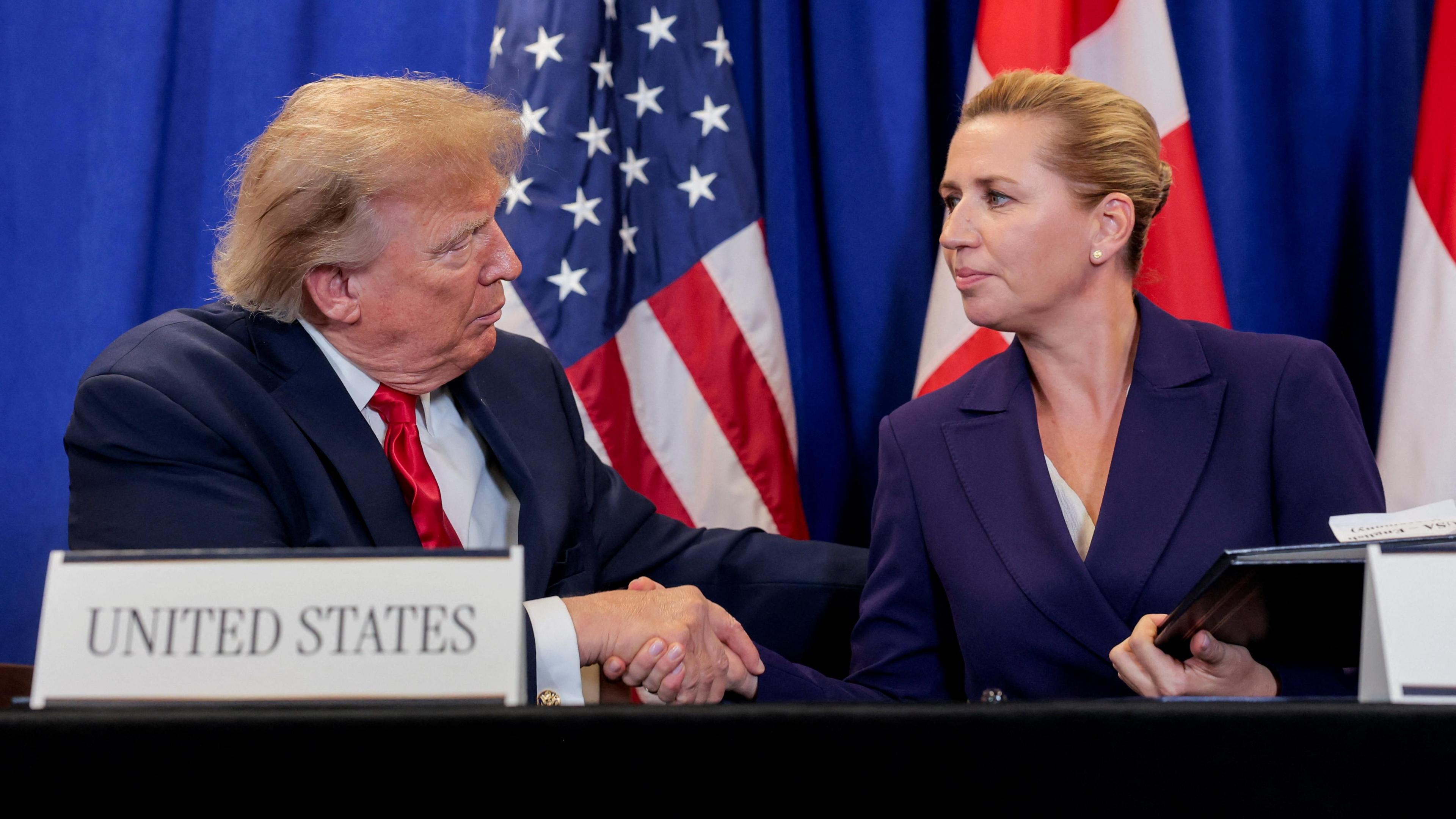
In a high‑profile meeting on the sidelines of the United Nations General Assembly in New York, top U.S. and Iranian officials sat down for a brief conversation, mediated by Qatar. The talks, the first since a June ceasefire collapsed, ended without any breakthroughs.
U.S. President Donald Trump, who had earlier threatened to "annihilate" Iran if a deal could not be reached, emphasized his hawkish posture during the UN speech. He called for an end to what he described as Iranian acts of aggression, while also warning that the U.S. would not hesitate to use force.
Iran’s foreign minister, Abbas Araghchi, reiterated Tehran’s demand that the United States stop its military actions, including the February air‑strikes that hit Iranian targets in the Persian Gulf and the subsequent blockades of Iranian ports.
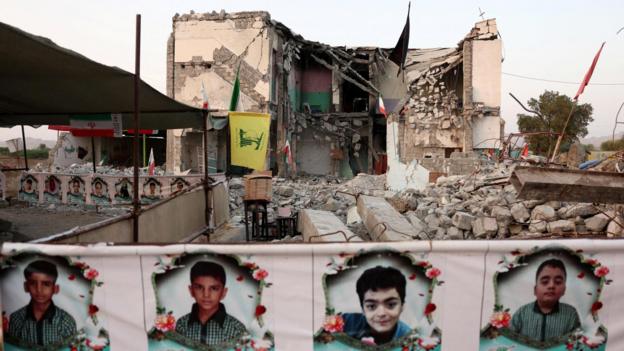
The conflict has escalated further: following U.S. and Israeli strikes on Tehran‑controlled sites, Iran has targeted U.S. assets, Israeli forces and allied territories, and imposed blockade violations at the Strait of Hormuz. The closed strait has caused oil and natural‑gas prices to swing wildly, while U.S. sanctions remain in place against nations that maintain ties with Tehran.
U.S. envoy Steve Witkoff confirmed to the BBC that the meeting was "constructive and promising", though he did not indicate any concrete gains. Qatar’s role as a neutral facilitator was crucial, as it relayed Iran’s conditions including a full cessation of offensive operations.
With the November U.S. elections looming, the administration feels pressured to find a political solution that balances domestic expectations and international stability. However, Tehran remains firm, insisting that the U.S. end its campaign against Iranian interests and those of its allies in the region.
Key Takeaways
- U.S. and Iran had a short National Assembly‑side meeting mediated by Qatar – no clear outcome.
- Trump’s “annihilation” threat underscored his push for a decisive military approach.
- War‑zone escalations continue, affecting oil markets and regional security.
- The U.S. faces mounting pressure to legislate a resolution before the November election.