US Helicopter Fires Missiles at Cargo Ship to Enforce Iran Blockade
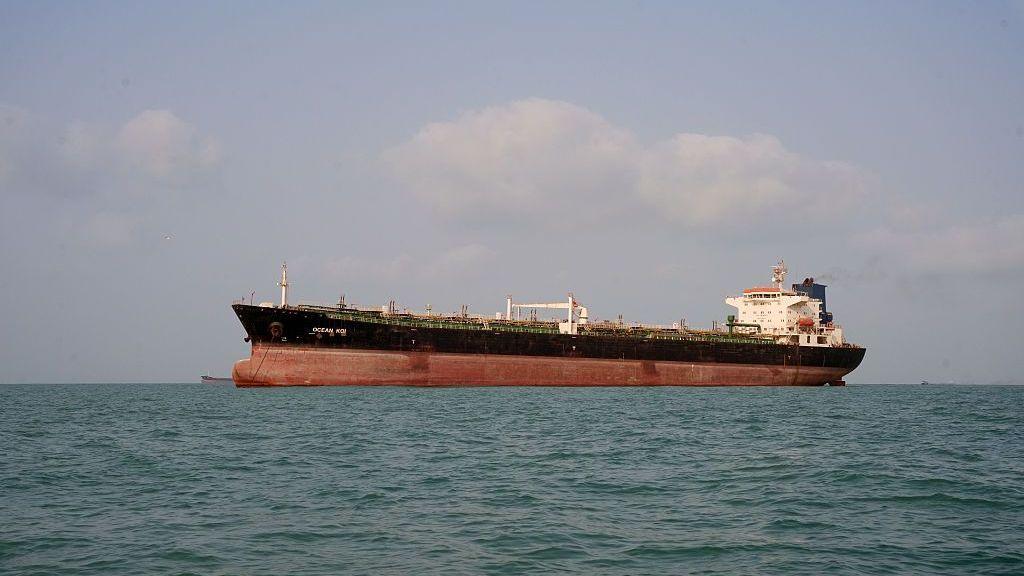
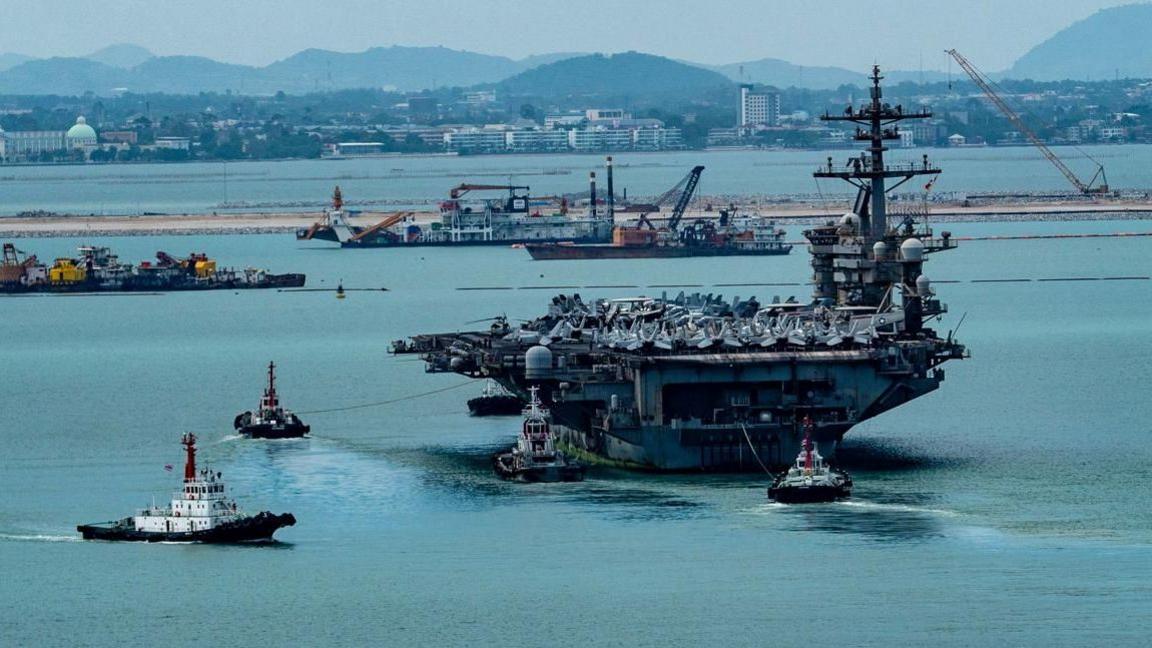
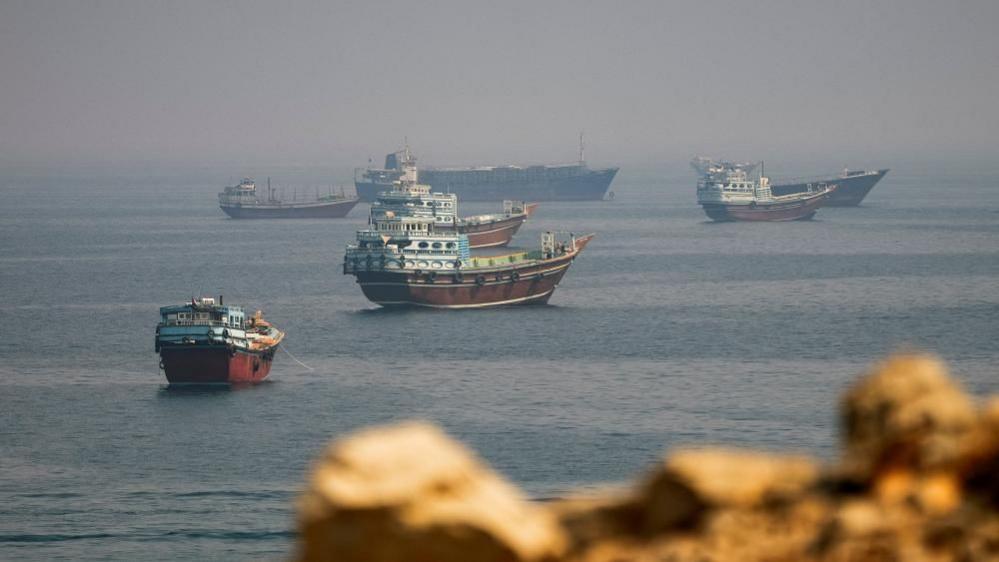
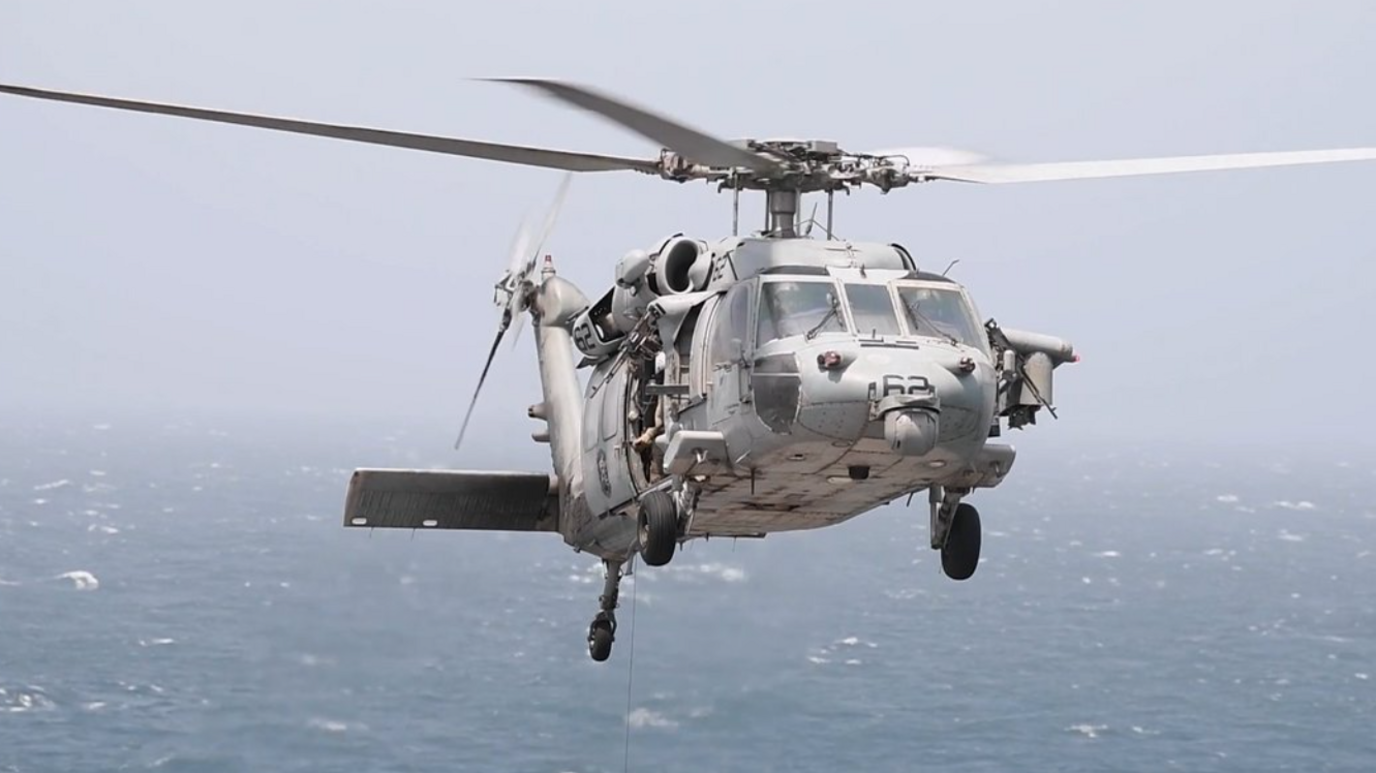
In a decisive move to uphold its maritime blockade against Iran, the United States has reported that one of its MH‑60 helicopters, operating under U.S. Central Command (Centcom), struck the Panama‑flagged cargo vessel M/V Vela Nova with two Hellfire missiles in the Gulf of Oman on Tuesday. The strike disabled the ship’s steering gear, preventing it from completing its return to an Iranian port.
Centcom indicated that the crew of the Vela Nova ignored repeated warnings from U.S. forces and pleaded to be allowed to continue its transits. The missile strike, therefore, was a last‑resort enforcement action after the ship allegedly violated the U.S. blockade imposed following the failed ceasefire of 2026 in the ongoing Iran‑Israel war.
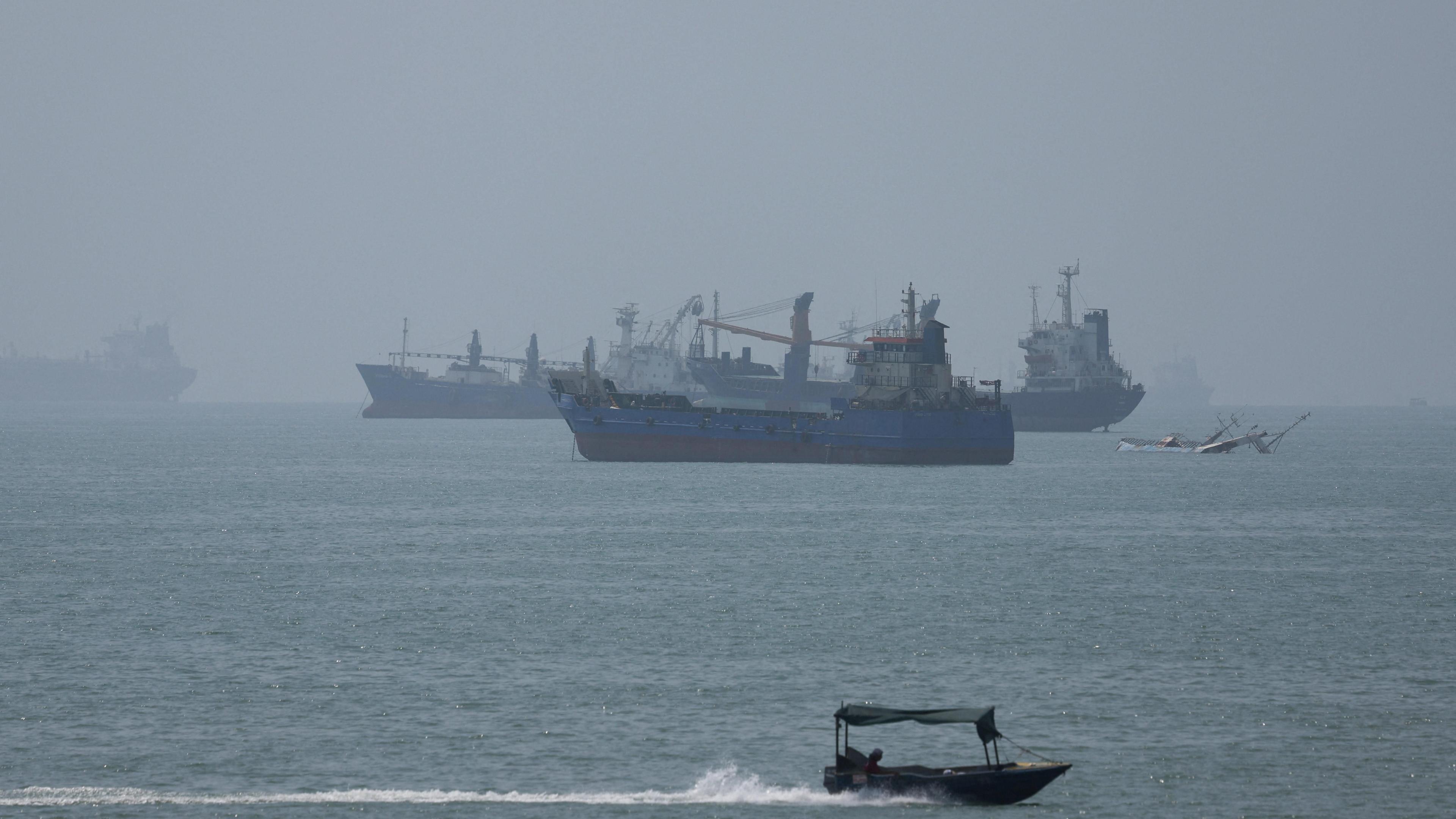
The blockade itself is part of a broader strategy to compel Iranian compliance in a region where Russia, Iran, and Iran‑backed groups like the Houthi insurgents have intensified attacks on Israeli and U.S. interests. Tehran’s seizure of control over the Strait of Hormuz markedly heightened commercial maritime risk and caused volatile swings in oil and liquefied natural gas prices—critical commodities for the global market.
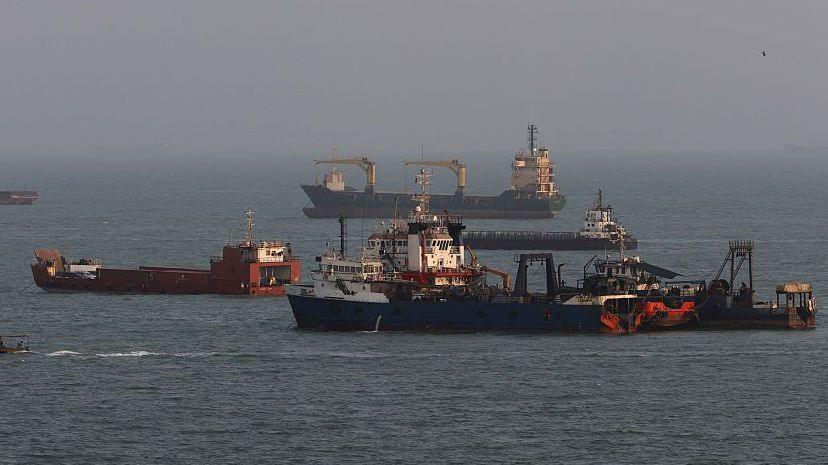
Centcom noted that the blockade remains in “full effect,” and as of 11 August it had redirected 55 commercial vessels, disabled three, and boarded two. The United States has repeatedly stated its commitment to controlling flow of goods that could fuel Iran or support its regional adversaries.
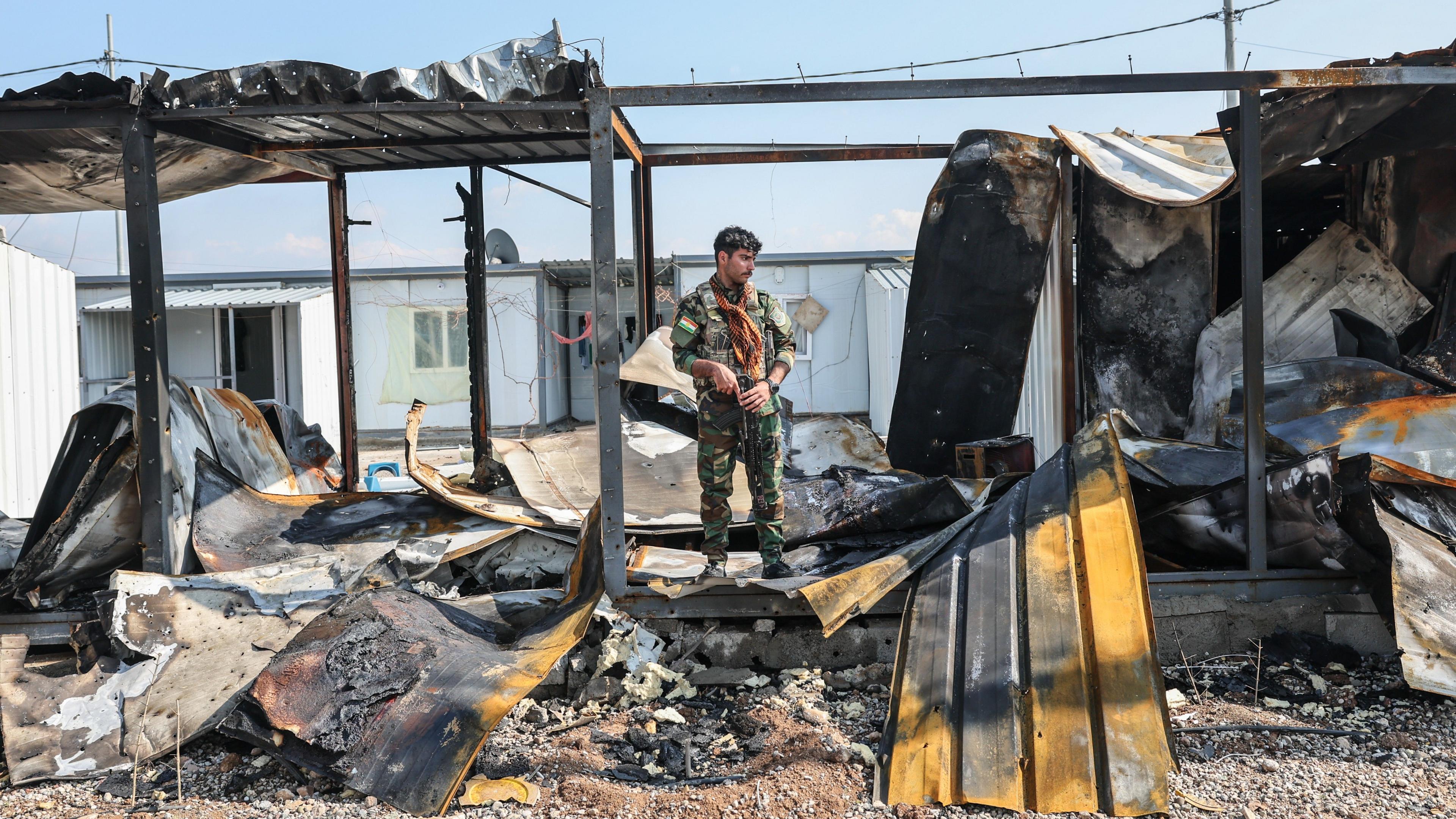
Meanwhile, Yemen’s internationally recognised government reported that Yemen’s Iran‑backed Houthi rebels struck a cargo ship in the Red Sea, killing six people and injuring ten. The Houthi attack, which allegedly targeted a vessel carrying Saudi military equipment, marked the first deadly maritime assault by the group since the 2026 war breakdown.
With the Pacific and Mediterranean markets already shaken by fluctuating energy prices, the U.S. and allied forces are increasingly enforcing maritime watchpoints and stifling unapproved shipping movements to mitigate further escalation in the region.