
Every Active Duty and Reserve Soldier Over 30 Must Get Tested for Low Testosterone
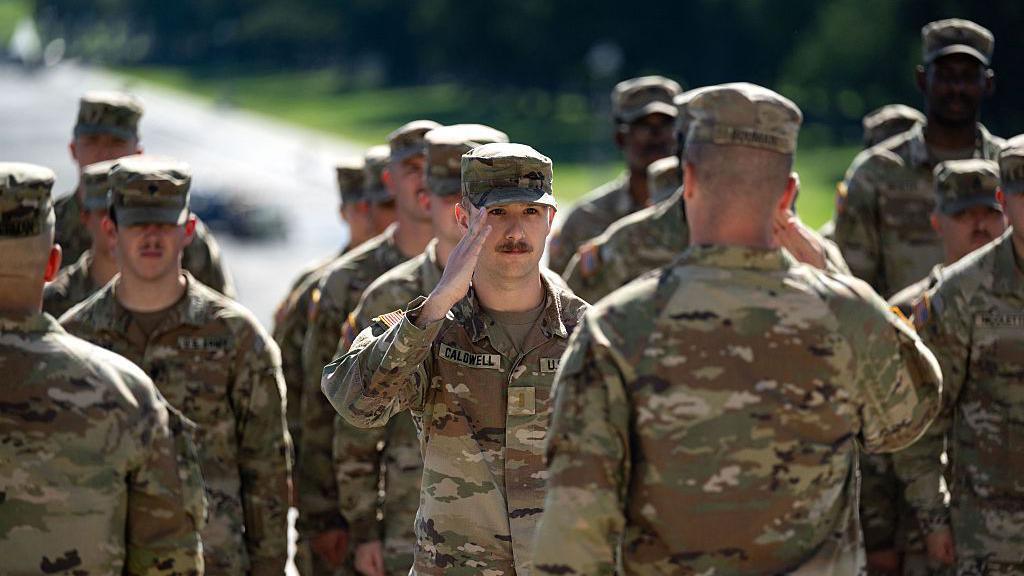
Defense Secretary Pete Hegseth announced on X that the Department of Defense will now require mandatory testosterone screening for all personnel aged 30 and older during their Periodic Health Assessment. Those whose results show insufficient testosterone will be offered voluntary hormone replacement therapy.
Under the new policy, men under 30 may also request the test voluntarily, while the Pentagon has not yet clarified whether female troops will be included for estrogen‑related screening as they reach perimenopause.
The move follows a broader policy shift that has nudged the FDA to reassess labeling restrictions on testosterone products and relax prescribing limits. Hegseth emphasized that the intent is not for “artificial enhancement” but rather to ensure that soldiers have the optimal hormone levels for “performance, health and longevity.”
Key Expert Opinion
Dr. Mohit Khera, a U.S. FDA expert panel leader, argues that testing men over 30 is a “top marker of overall health.” He notes that low testosterone can reduce muscle mass, energy and mood—an undesirable subset of risks on the battlefield. However, Khera cautions that hormone replacement should only be given to symptomatic individuals, as it can lead to infertility and potentially elevate cardiovascular risk.
The program has drawn both support and skepticism. Democratic Senator Tammy Duckworth urged expanding testing to both genders, while Representative Chrissy Houlahan denounced the initiative as a “culture‑war obsession.”
For many U.S. men, testosterone levels decline after age 30, affecting up to 13 million adults. A simple blood test can identify low levels and trigger timely treatment, potentially restoring muscle mass, reducing fat, and improving mental health. Yet, the policy’s rollout will need to balance benefits with risks and address questions about female participation and long‑term outcomes.
As this program unfolds, US defense health services will likely publish data on screening uptake, treatment outcomes and operational impact—providing an ongoing real‑time feed for analysts and soldiers alike.