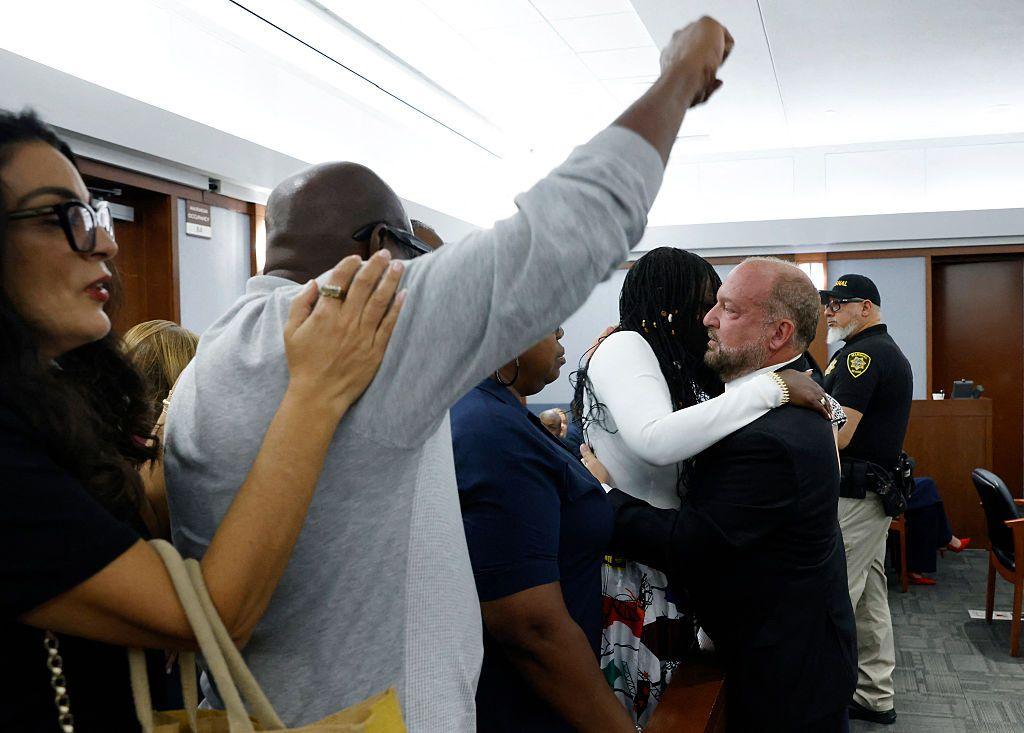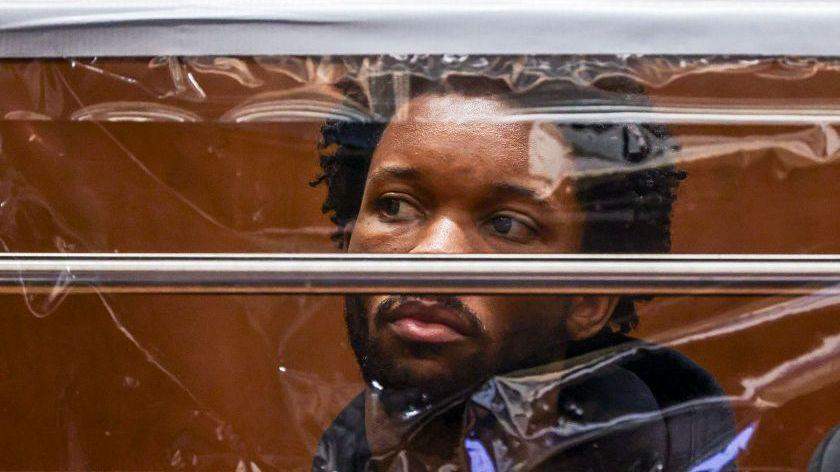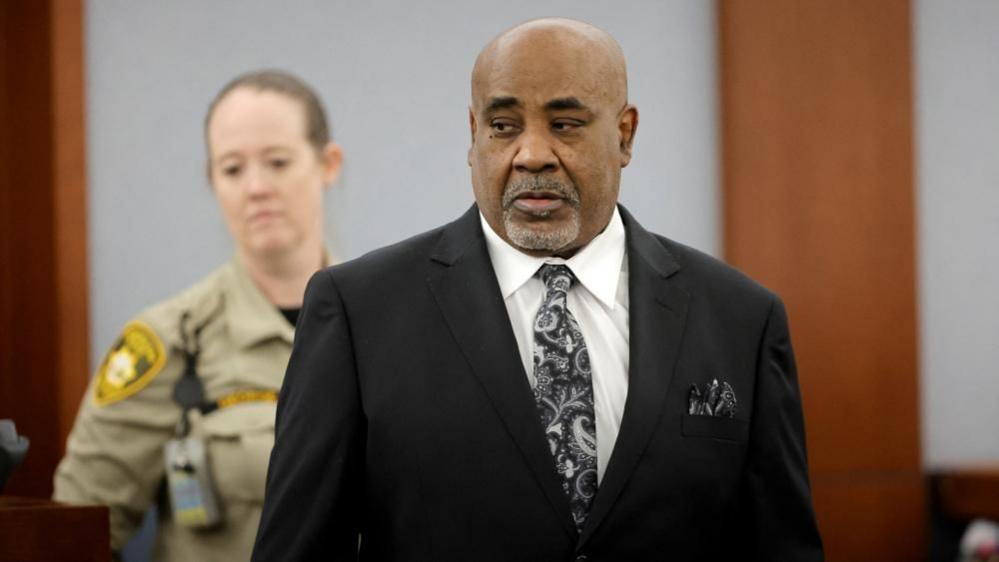
Duane “Keffe D” Davis, a former gang leader now on trial in Las Vegas, claims he did not fire the gun that killed rap icon Tupac Shakur on Sept. 7, 1996, but that his nephew did. The claim came from a police interview he gave in 2008, which prosecutors played at the start of the trial today.
Davis faces a single count of murder with a deadly weapon, but the case hinges on whether he merely supplied the weapon or actually ordered the shooting. Prosecutors say the drive‑by took place from a Cadillac parked beside Shakur’s vehicle, and that Orion Anderson—nephew of Davis—fired the shots after a fight that had erupted between Anderson and Shakur earlier that evening in a Las Vegas casino.
The 2008 interview, conducted by detectives Daryn Dupree and Greg Kading, features Davis confessing that the gun was handed to Anderson once he got out of the car. He also says, “If we’d been on my side I would have blasted,” indicating a willingness to use deadly force against Shakur and other gang members.
A 2019 memoir, the “Compton Street Legend,” also recounts Davis’s involvement, though he later said parts were fictionalised for commercial reasons. That memoir openly portrays Davis as being inside the vehicle, tossing the gun into the backseat – a narrative that prosecutors say was a contradiction to the 2008 interview displayed in court.
Real‑time court records show skeptics arguing that the police interview was made under a disclosure agreement that would protect Davis. However, prosecutors claim that such an agreement was invalid after Davis published his memoir, admitting his role in the events that led to Shakur’s death.
The defense, led by lawyer Michael Sanft, has challenged the credibility of witnesses and the investigative methods. A former Las Vegas homicide detective testified that no one could reliably identify the shooter, while a former member of Shakur’s entourage admitted that word‑of‑mouth from the night was that Orlando Anderson, not Davis, had fired the gun.
The trial remains one of the most high‑profile unresolved mysteries in American music history. The court will decide whether Davis’s retelling aligns with the limited physical evidence that could assign responsibility to a single gunman.
Published: August 21, 2026