In brief
In the opening day of the Tupac Shakur murder trial, prosecutors depicted former ex‑Crip leader Duane "Keffe D" Davis as the mastermind behind the drive‑by shooting. Witnesses—including a police officer who flew Shakur to a hospital in an ambulance and a woman who was riding in a car that night—recount their encounters with Davis, the SUV crew and the sudden gunfire. Davis’s defense portrays the case as a decades‑old investigation riddled with inconsistent evidence and media‑influenced testimony, while the jury hears from victims’ families and former gang affiliates who describe the chaotic street scene. As the trial progresses, more expert and celebrity witnesses are slated to testify, promising further insights into the 1996 crime.
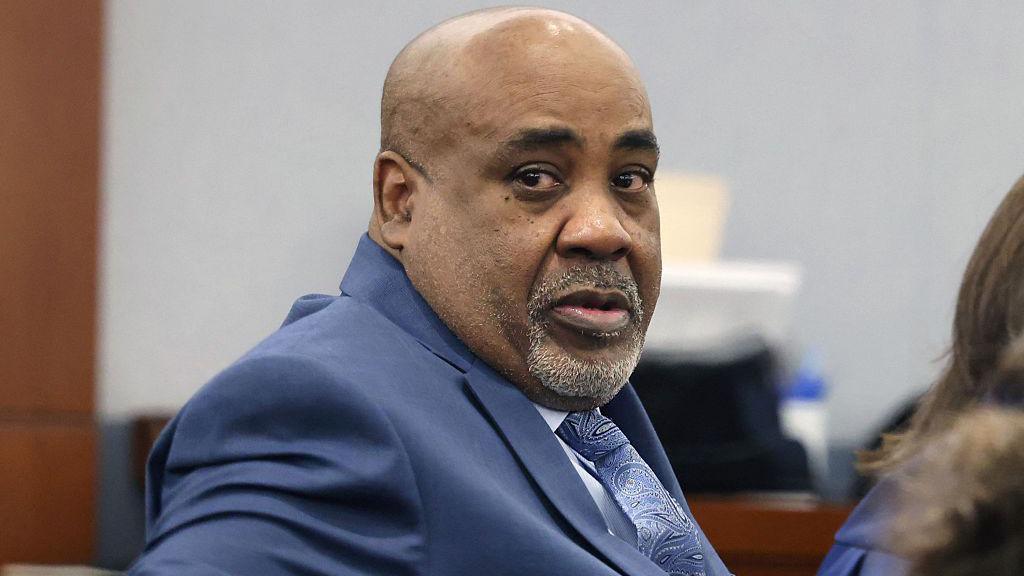
Prosecutors began Monday’s court proceedings by portraying Duane "Keffe D" Davis as the chief architect behind the drive‑by shooting that killed rap icon Tupac Shakur on 7 September 1996. Davis, now 63, is charged with murder; he denies the allegations and has pleaded not guilty.
Chief Deputy District Attorney Binu Palal explained that Davis orchestrated the attack in retaliation for a fight earlier that day in which Shakur clashed with Davis’s nephew, Orlando Anderson. Palal highlighted that Davis specifically passed a gun to Anderson, who allegedly fired the fatal shots from the passenger seat of a white Cadillac.
Gary Dale, a former Las Vegas Metropolitan Police officer, testified that after the shooting he transported Shakur to a hospital in an ambulance. Dale said Shakur refused to reveal who struck him and simply said, “We’ll take care of it.”
Ingrid Stokes, who was traveling with friends that night, described how they drove through downtown Las Vegas and encountered a vehicle carrying Shakur and Death Row Records co‑founder Suge Knight. She recounted seeing a second car rush in front of them, pulling over, and then hearing gunshots. Stokes told the jury, “All hell broke loose.”
The case, which had gone cold for years, went public when Davis released a memoir in 2019 claiming he was a passenger in the shooting vehicle. He later alleged, in interviews, that the firearm was handed to Anderson by him. Prosecutors used the memoir as evidence, while Davis’s lawyers argued it was fictional and unreliable.
Davis’s legal team also pointed to missing police records, alleged biased investigative work and witnesses who changed their stories over time. They asserted that the prosecution relied on “unreliable people with criminal records, financial motivations and inconsistent statements.”
As the trial continues, more witnesses—including experts, investigators and, potentially, celebrity testimonies—are expected to offer their accounts of the 1996 night that struck a blow to the hip‑hop world and left Las Vegas forever altered.