
In brief
Donald Trump has threatened to hike tariffs on Canadian goods as a reaction to the 955+ raging wildfires that have unleashed dense smoke over northern U.S. states. The president’s post on Truth Social accused Canada of "willful negligence" and demanded an explanation from Prime Minister Mark Carney. Canadian officials stress cooperation and point to years of fire‑fighting aid, while U.S. lawmakers call for action and some even hint at direct cross‑border intervention. Amid health warnings, the smoke has forced evacuations, mask distribution and outdoor event cancellations across the region. The incident underscores the growing friction between the two nations over climate responsibility and trade policy.
Donald Trump warns Canada moves toward new tariffs as wildfire smoke showers the U.S.
The former U.S. President issued a threat on Truth Social to impose additional tariffs on Canadian goods after independent reports revealed that more than nine hundred Canadian wildfires left smoke to blanket New York, Washington, Detroit, Chicago and other U.S. cities.
In his post, Trump called the smoke “filthy, polluted, and unhealthy air” and accused the Canadian government of willful negligence. He said he would phone Prime Minister Mark Carney to demand an explanation for what he described as Canada’s failure to properly maintain forests and brush.
Carney said in Ontario that climate change is a shared responsibility and that Canada has already spent more than C$12 billion on forest sustainability and fire prevention. A minister of emergency management noted that U.S. and Canadian agencies collaborate continuously and that Canada has previously aided the United States in fighting wildfires and hurricanes.
U.S. lawmakers have added that the “patience has run out” and warned that American lungs are paying for Canadian inaction. Some Republican figures have floated the idea of turning Canada into a 51st U.S. state – a notion that has sparked outrage in Canada and caused tourists to stop travelling north.
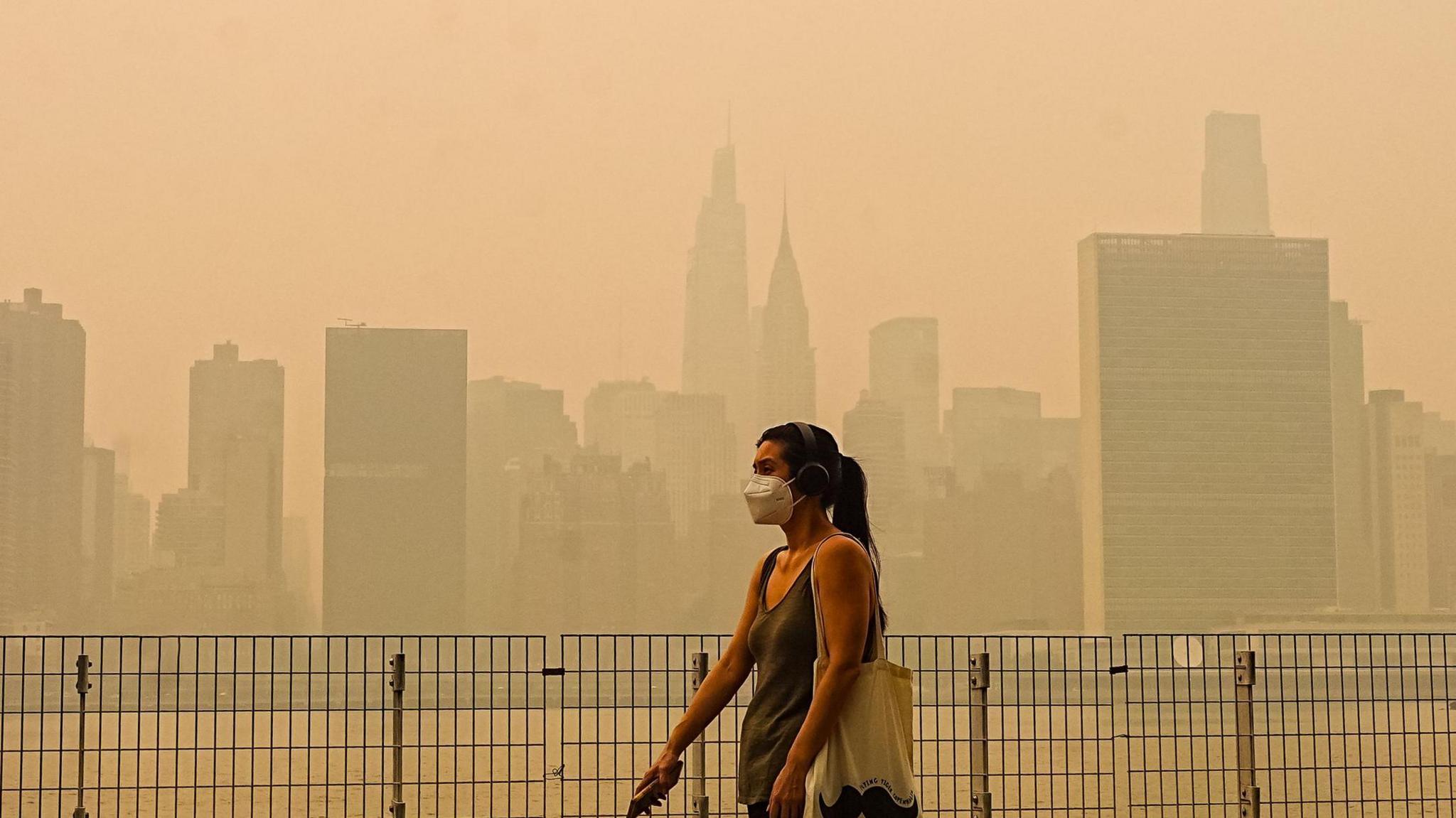
The fires have sent a thick plume of haze across the Great Lakes region; New York City’s skyline has been reduced to an orange‑hazed haze and officials have advised residents in most northern U.S. states to stay indoors. Air quality alerts have mobilised free mask distribution, and many outdoor concerts and sporting events have been cancelled.
Wildfires have also forced evacuations of First Nations communities in Ontario. The Montfort community chief reported her settlement was “burnt to ashes” as the blaze forced residents to flee by canoe. Canada has deployed families of water bombers, firefighters and helicopters, and the provincial government says it has spent more than a billion dollars on wildfire suppression since 2018.
In the aftermath, White House officials including Andrew Giuliani are monitoring the situation, especially as the World Cup final between Argentina and Spain is scheduled at MetLife Stadium in New Jersey, a venue that will be affected by the haze. Milder rains over the weekend are forecasted to ease visibility before the match.
The incident highlights the trans‑border impact of wildfire smoke and raises the question of whether climate policies and trade agreements will move toward more collaborative approach or closer to the brink of conflict.
Source: BBC News (January 2026) and related updates.
