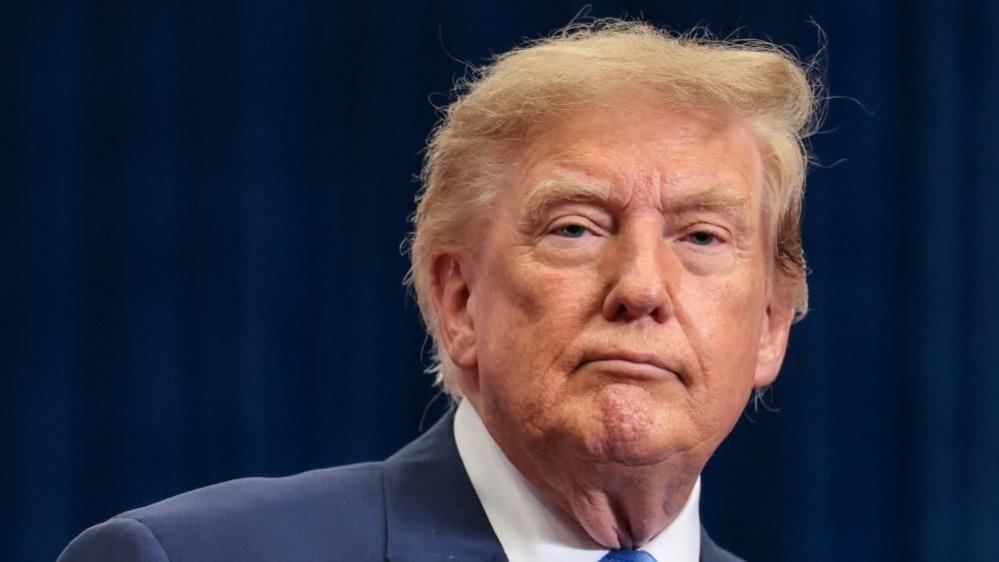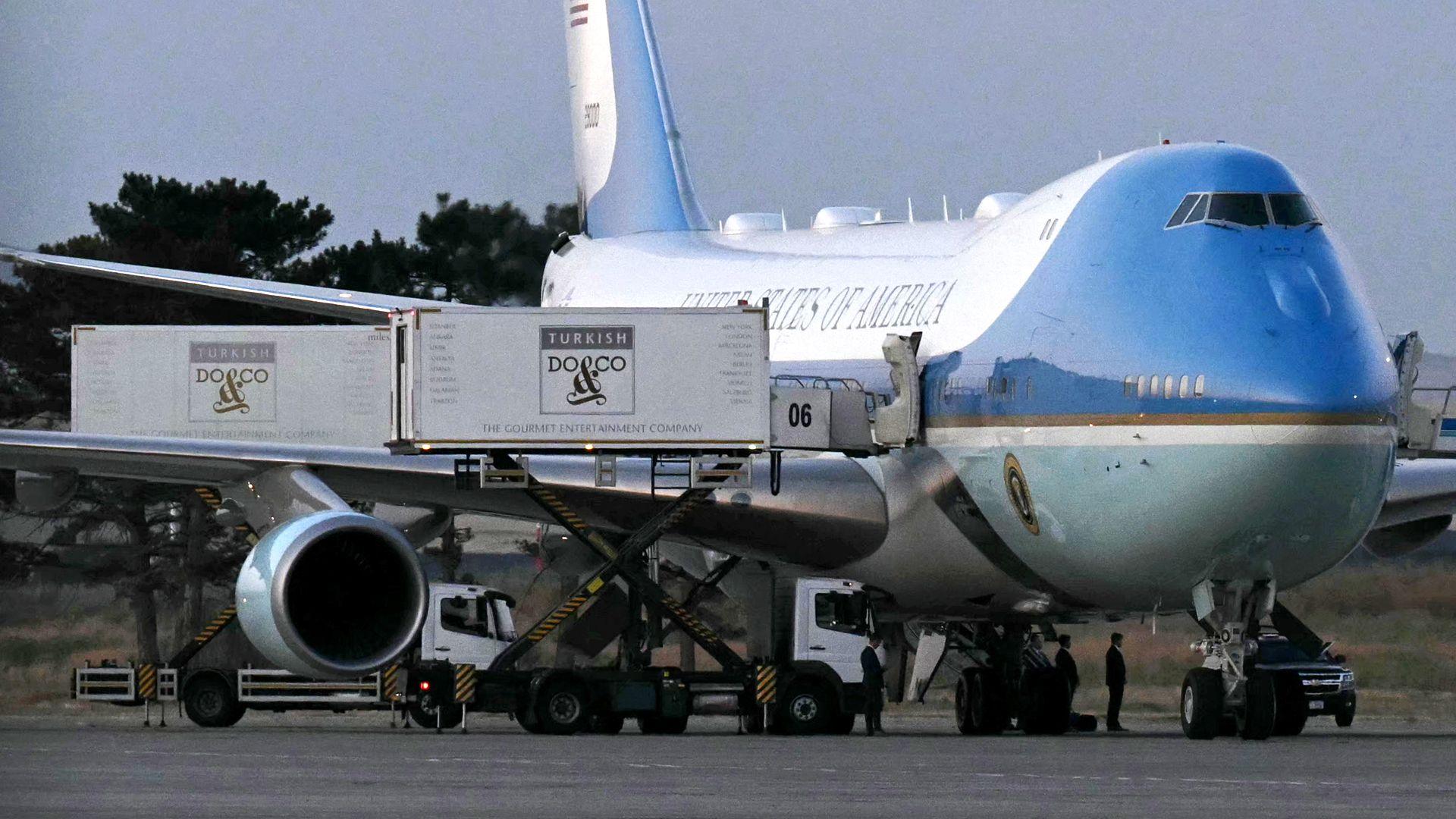
During last month’s NATO summit in Ankara, President Donald Trump allegedly swapped presidential jets in a covert operation following a credible Iranian missile threat. Analysts say the president first boarded the historic Air Force One in the presence of media, only to be quietly transferred onto an elevated catering truck that was lifted to jet level. From there, officials moved Trump onto a smaller C‑32A military aircraft, a modified Boeing 757 often used by the Vice President, while reporters and some White House staff were told to close window shades and were unaware of the switch.
Trump had greeted the summit, declaring himself “Iran’s number one target,” and the U.S. later renewed military strikes on Iran after talks broke down. After the clandestine move, he flew to the United Kingdom on the C‑32A, re‑boarded the legacy Air Force One upon arrival, and then embarked on a Qatari‑gifted Boeing 747‑8 to travel back to Washington. During that flight, Trump spoke to reporters aboard the jet, referencing the Iranian threat without detailing the prior plane swap.
White House communications director Steven Cheung neither confirmed nor denied the reports but described the new aircraft as a “state‑of‑the‑art” platform with added security measures. U.S. intelligence had earlier warned the president of a specific Iranian missile threat. While the Qatari jet was retrofitted at a cost of $400 million, it is unclear what defensive systems it carries compared to older Air Force One models.
The incident has fueled speculation about presidential travel protocols and raised questions about the secrecy of such operations, leading to calls for transparency and potential legal investigations. The episode underscores the complex interplay between security, international diplomacy, and media access in the high‑stakes world of presidential aviation.