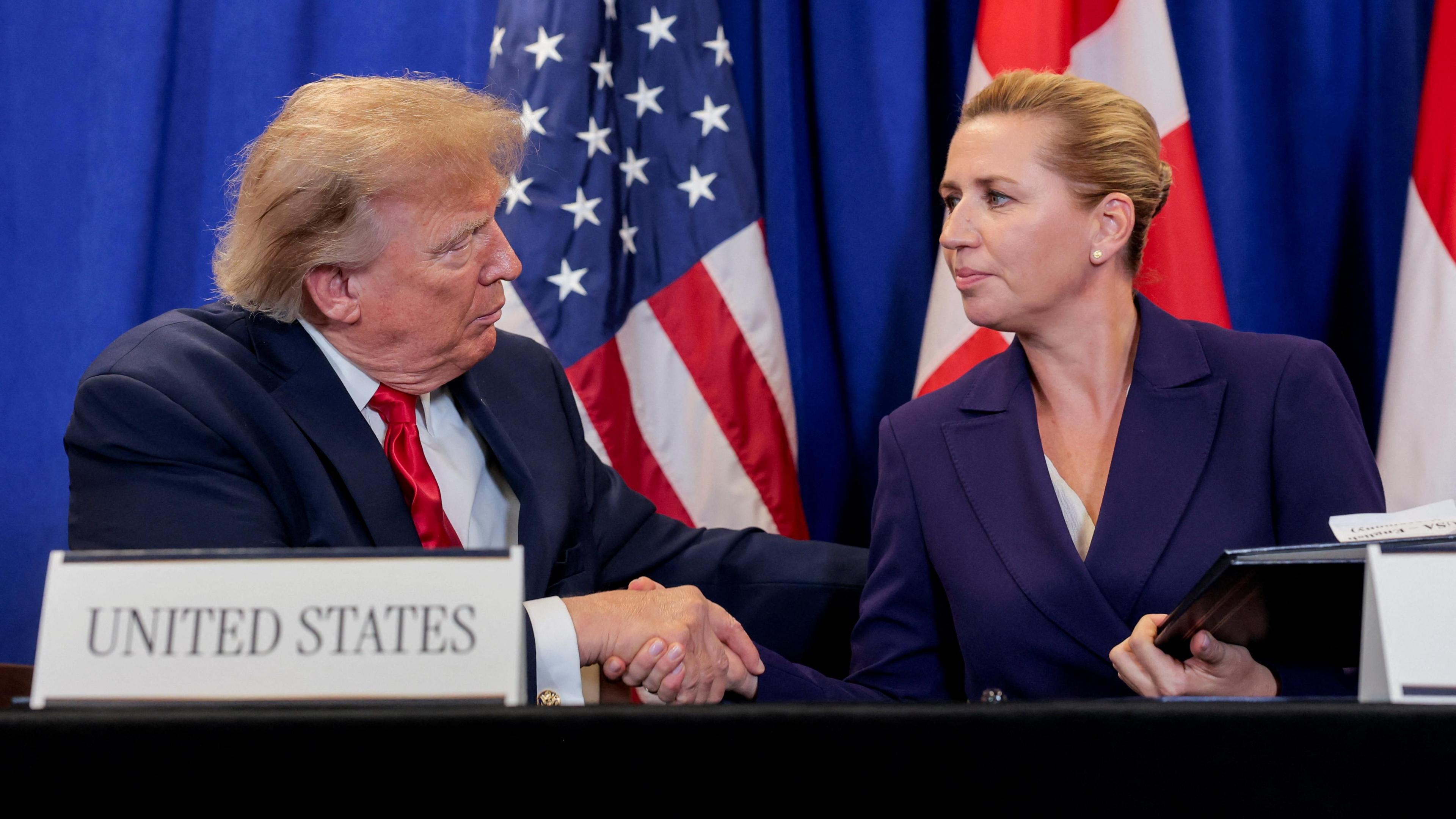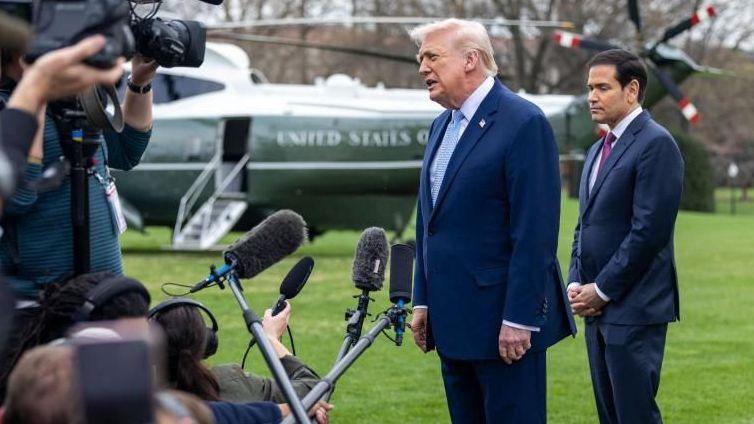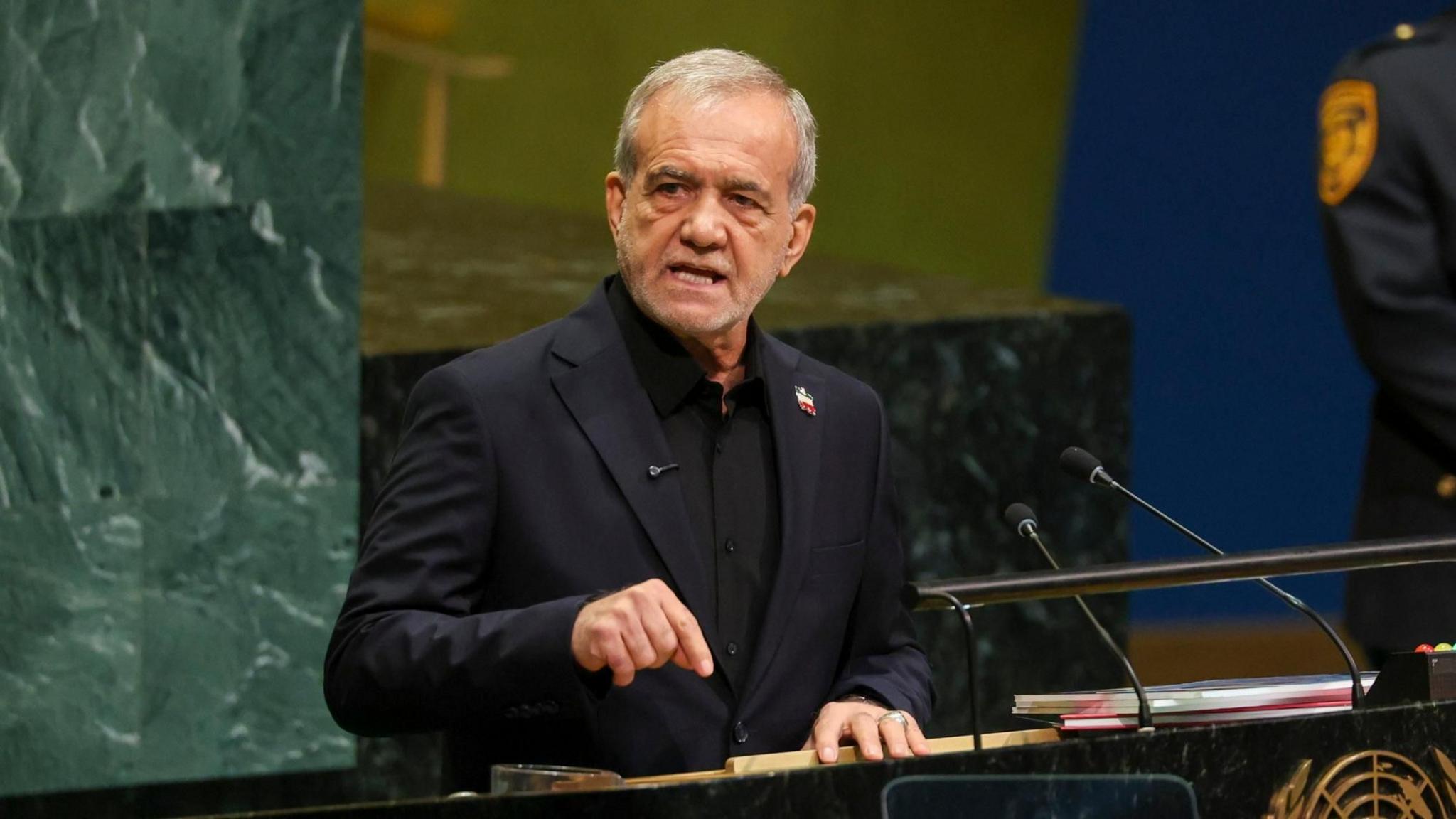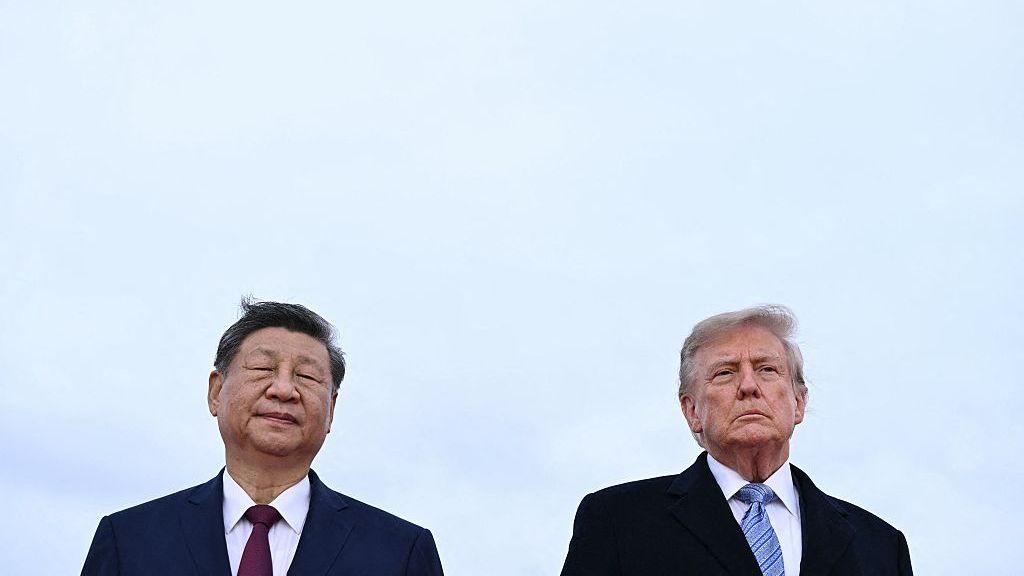
On the evening of September 23, President Donald Trump turned the arrival of Chinese President Xi Jinping into a grand ceremony at Joint Base Andrews, making the first U.S. presidential welcome of a Chinese leader in over a decade. A 30‑metre red carpet flowed across the tarmac while the U.S. Air Force band played the national anthem, and two B‑1 supersonic fighters flew over the assembly in a display of American power.
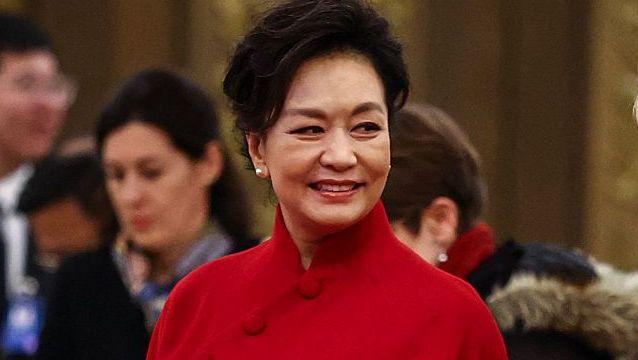
When the officials stepped onto the carpet, Trump and First Lady Melania greeted Xi and his wife Peng Liyuan, shaking hands and posing for photographs before ambassadorial entourages prepared for the three‑day summit. The event marked a historic shift: it is the first time since President John F. Kennedy in 1962 that a U.S. president personally welcomed a foreign head of state on base, underscoring how the Trump administration views this visit as a high‑profile opportunity for high‑level discussions.
Chief among the upcoming agenda items are the extension of the U.S.–China trade truce into January, the status of rare‑earth shipping, and a broader trade deal that could, according to Treasury Secretary Scott Bessent, raise the level of U.S. exports to China. The truce, which had originally run out on November 10, has enjoyed extended support from both sides amid a backdrop of political pressure from China’s top leadership to secure market access for the U.S. manufacturing sector.
Behind the ceremony, Xi’s official statements echoed historic admiration, calling the two countries “great nations” and urging a partnership rather than rivalry. He also highlighted the project’s potential to “yield fruitful results” that could benefit the global community. Meanwhile, Trump dismissed domestic concerns about AI risks as a “hoax” amidst an escalating U.S.–China competition in high‑tech development.
The matter of public perception is nuanced: a recent poll by the Chicago Council on Global Affairs found that 41% of Americans view China’s territorial ambitions as a threat—down from 52% in 2022—though 57% believe the U.S. should cooperate with Beijing. However, a key segment of Trump’s loyal base (about 63%) remains skeptical, illustrating the domestic divide that will accompany the administration’s outreach strategy.
Beyond the diplomatic stage, Melania Trump is set to tour the Smithsonian’s National Museum of Asian Art, showcasing shared cultural heritage, and later accompany Xi’s party to a historical review at the National Archives—a symbol of the enduring ties that both leaders hope to strengthen.