
In brief
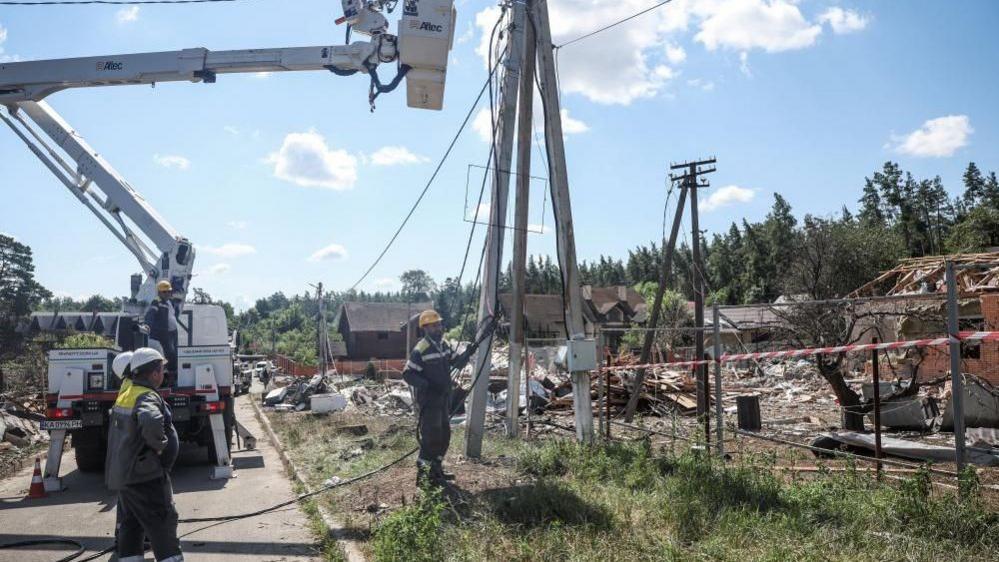
On Sunday, President Donald Trump announced an energy ceasefire between Russia and Ukraine, effective immediately, a move met with mixed reactions. Ukrainian President Volodymyr Zelensky hailed the announcement, saying it was “news for me” and showing willingness to sign if Moscow agreed. Moscow, however, has stayed quiet; spokesman Dmitry Peskov noted that contacts were ongoing and that the Kremlin would comment when ready. Pro‑Kremlin outlets have portrayed the deal as favoring Russia, while analysts warn the ceasefire could shift Ukraine’s strategic calculus amid continuing energy infrastructure attacks. The situation remains tense with the Kremlin’s official stance unclear and the impact on European energy security uncertain.
On Sunday, President Donald Trump announced an energy ceasefire between Russia and Ukraine, effective immediately, a move met by mixed reactions.
Ukrainian President Volodymyr Zelensky said it was “news for me” and expressed willingness to sign if Moscow agreed.
Moscow’s reaction has been notably muted. Spokesman Dmitry Peskov said contacts were continuing and that the Kremlin would comment when ready.
Pro‑Kremlin outlets have framed the deal as largely in Russia’s favour, arguing that Ukraine has limited options.
Analysts warn that the ceasefire could alter Ukraine’s strategic calculations and that the scramble for European energy security continues as tensions rise.
The situation remains tense, with the Kremlin’s official stance unclear and the impact on energy infrastructure still uncertain.
