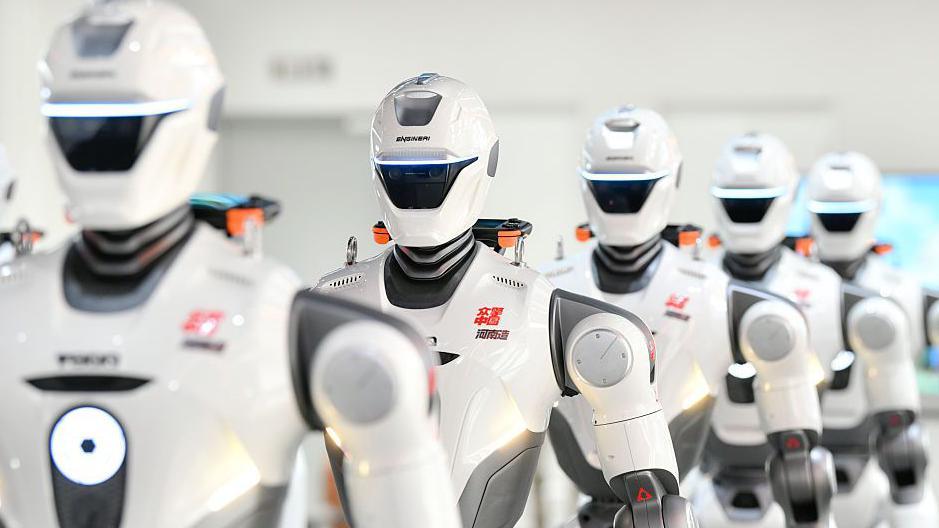
The Trump administration announced on Tuesday a ban on new foreign‑made humanoid robot imports to the United States over unacceptable risks to national security.
The restriction covers advanced robots—including humanoid and four‑legged machines—many of which are produced in China, a country locked in a technology race with the United States.
The Federal Communications Commission (FCC) also barred the import of power inverters, devices used in data centres and solar panels, citing similar security concerns. FCC chairman Brendan Carr said the agency was “securing America’s critical supply chains.”
The FCC added the items to its Covered List—a register of goods and services deemed a risk to U.S. national security. The ban does not affect existing models that had been previously authorised by the FCC.
Officials warned that foreign‑made inverters could be turned off or used to steal data, facilitate remote access and enable surveillance by “foreign government actors,” or be exploited through cyberattacks. Likewise, robots imported from outside the U.S. could allow malign actors to surveil Americans, enhance the capabilities of foreign intelligence services or remotely commandeer the machines.
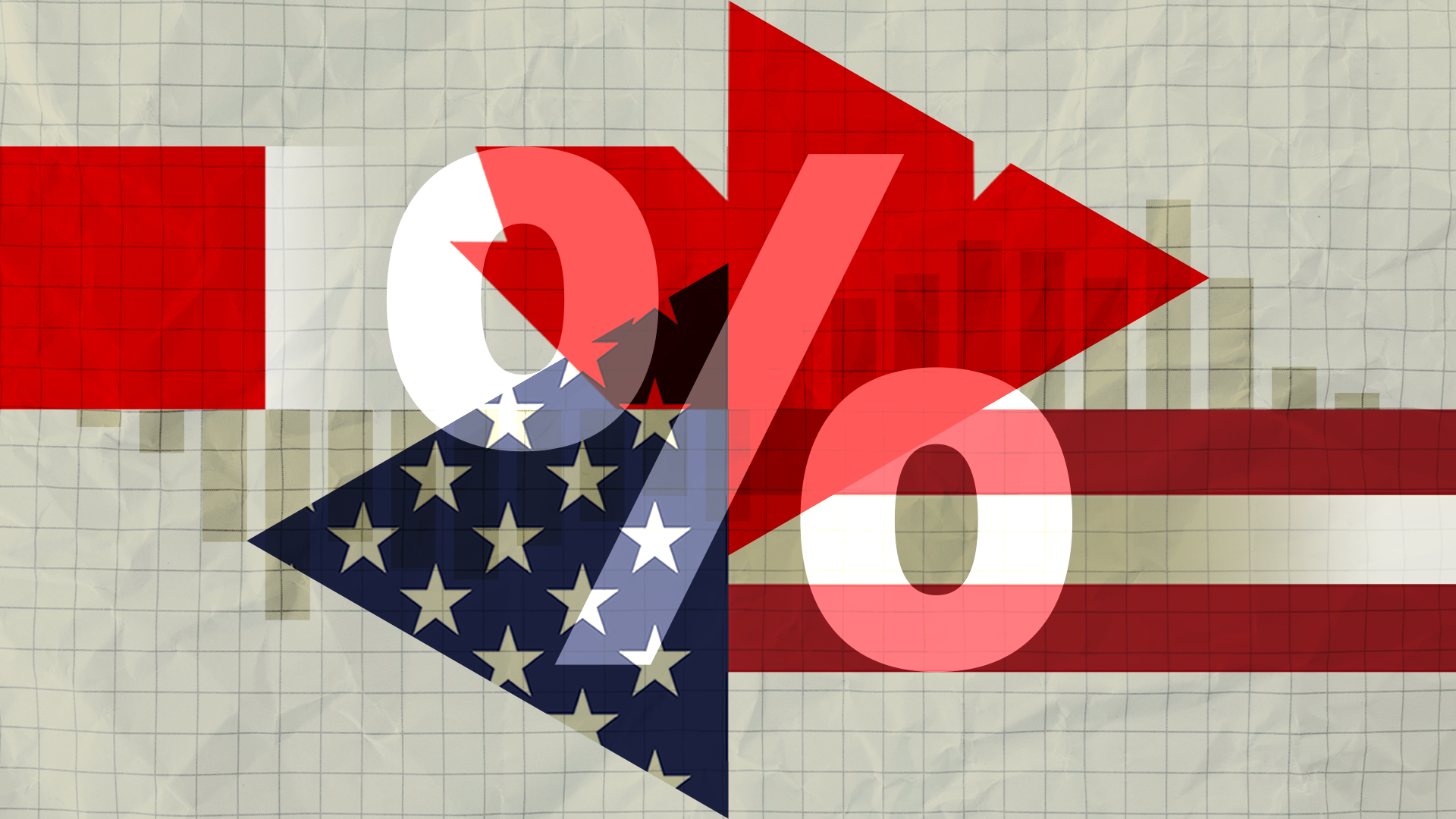
China’s exports have faced intense scrutiny amid the U.S. effort to address trade imbalances with the world’s second‑largest economy. While China remains a leading exporter of electric vehicles, a 100% tariff has effectively shut the country out of the American market. Treasury Secretary Scott Bessey has warned that Chinese AI firms could face sanctions for alleged intellectual‑property theft.
In response, the Chinese government defended its AI development as the result of dedication and international cooperation. Chinese technology firms have rapidly deployed humanoid robots for use in factories, homes and public spaces, pre‑empting U.S. competitors such as Elon Musk’s Tesla and Boston Dynamics.