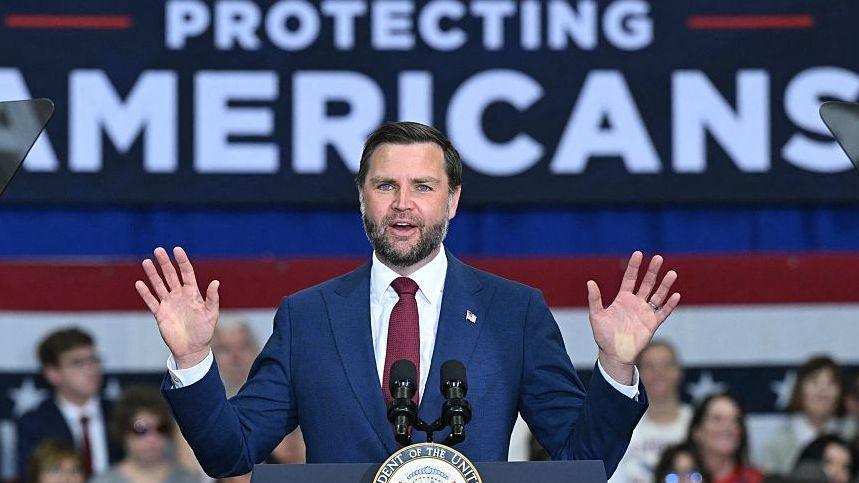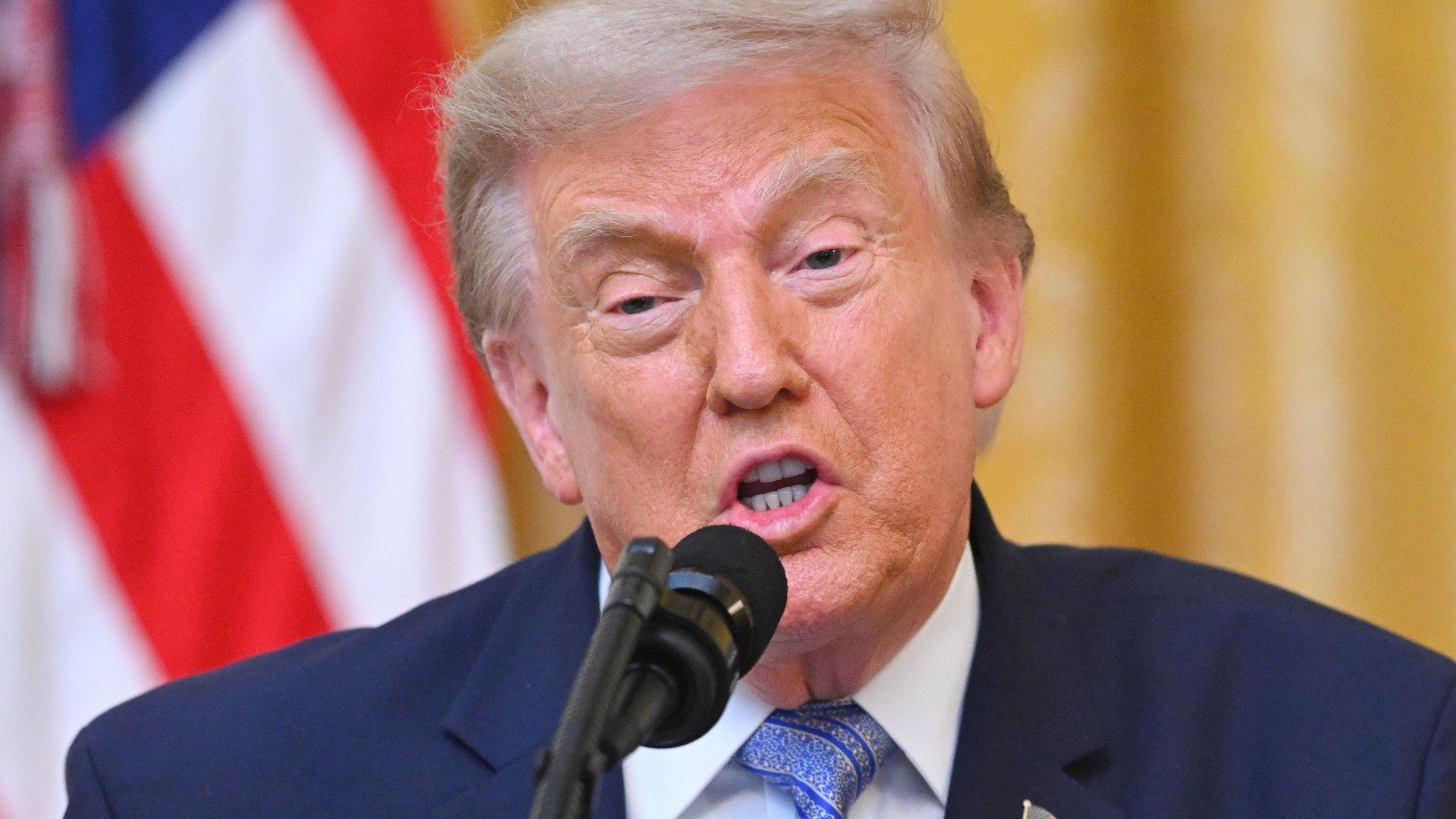
On Thursday night, former President Donald Trump delivered a primetime address from the White House, claiming that Beijing secretly interfered in the 2020 election and that U.S. voting systems were “shocking” vulnerable to foreign sabotage.
The president said he had released hundreds of top‑secret intelligence files that, he argued, proved Chinese officials accessed roughly 220 million voter records, buying or hacking data from 18 states. He asserted that those tasked with alerting the government had failed to inform Congress and the public.
U.S. intelligence agencies released in 2021 determined that China had not deployed any interference operation in 2020, noting that Chinese officials had not seen enough incentive in the outcome to risk retaliation. China’s foreign ministry called Trump’s allegations “entirely fabricated” and “malicious smears.”
Trump also highlighted the potential exposure of American voting machines, citing threats from Russia, China and Iran, and announced a push for the SAVE America Act, which seeks to ban most post‑al voting, require proof of citizenship for registration and enforce photo‑ID at the polls. The bill is currently stalled in the Senate.
Democratic leaders reacted strongly. U.S. Senate Majority Leader Chuck Schumer called the remarks “unfounded” and warned that the president’s 2024 campaign would attempt to undermine confidence in the mids‑term elections. Former Vice‑President Kamala Harris tweeted, “He wants you to lose confidence in our electoral system so you stay home this November.”
During the address, Trump also mentioned a Michigan law‑enforcement investigation that identified a voter‑registration fraud scheme tied to a Democratic group but claimed bureaucratic constraints prevented timely action.
Overall, the president’s claims have yet to be substantiated with concrete evidence, and the American cybersecurity community has repeatedly affirmed the 2020 election as “the most secure in history.”
The speech is likely to have minimal impact on Democratic concerns about the upcoming midterms, but it underscores the heightened political tension as the nation heads into critical elections scheduled for November 2026.