The Rise of Gaston Browne's Antigua
Black Power, matured.
Love, ordered into law.
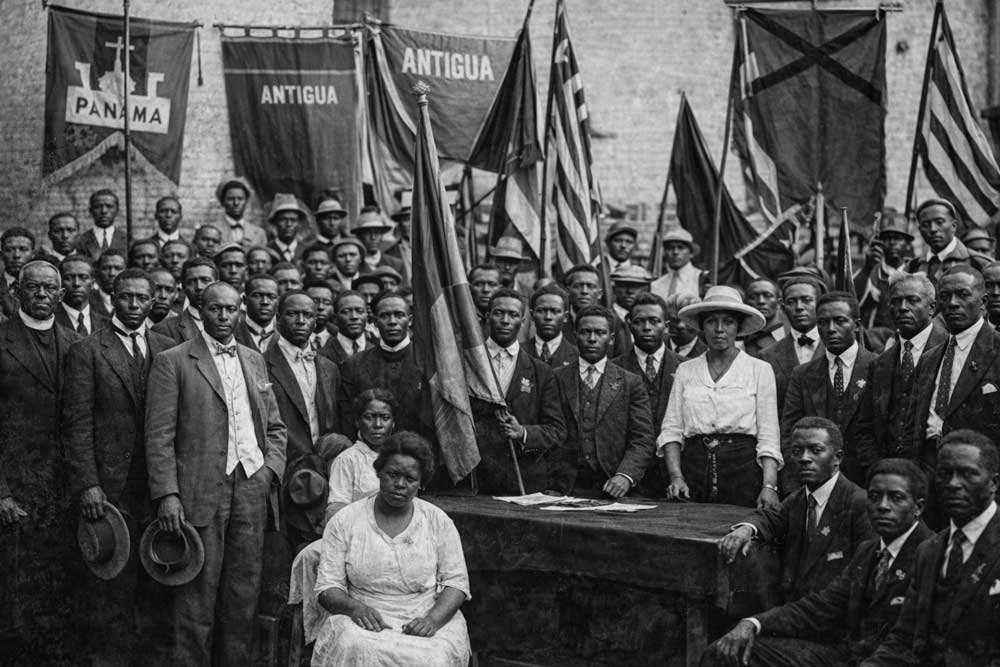
Marcus Garvey in Antigua.
Garvey’s arrival marked the transition from endurance to consciousness. Self-reliance and dignity were articulated as obligations of governance, not merely aspirations of identity.

Rastafari elders.
When law failed morally, Rasta preserved order spiritually. Discipline, scripture, memory — governance incubated outside the state until the state could be reclaimed.
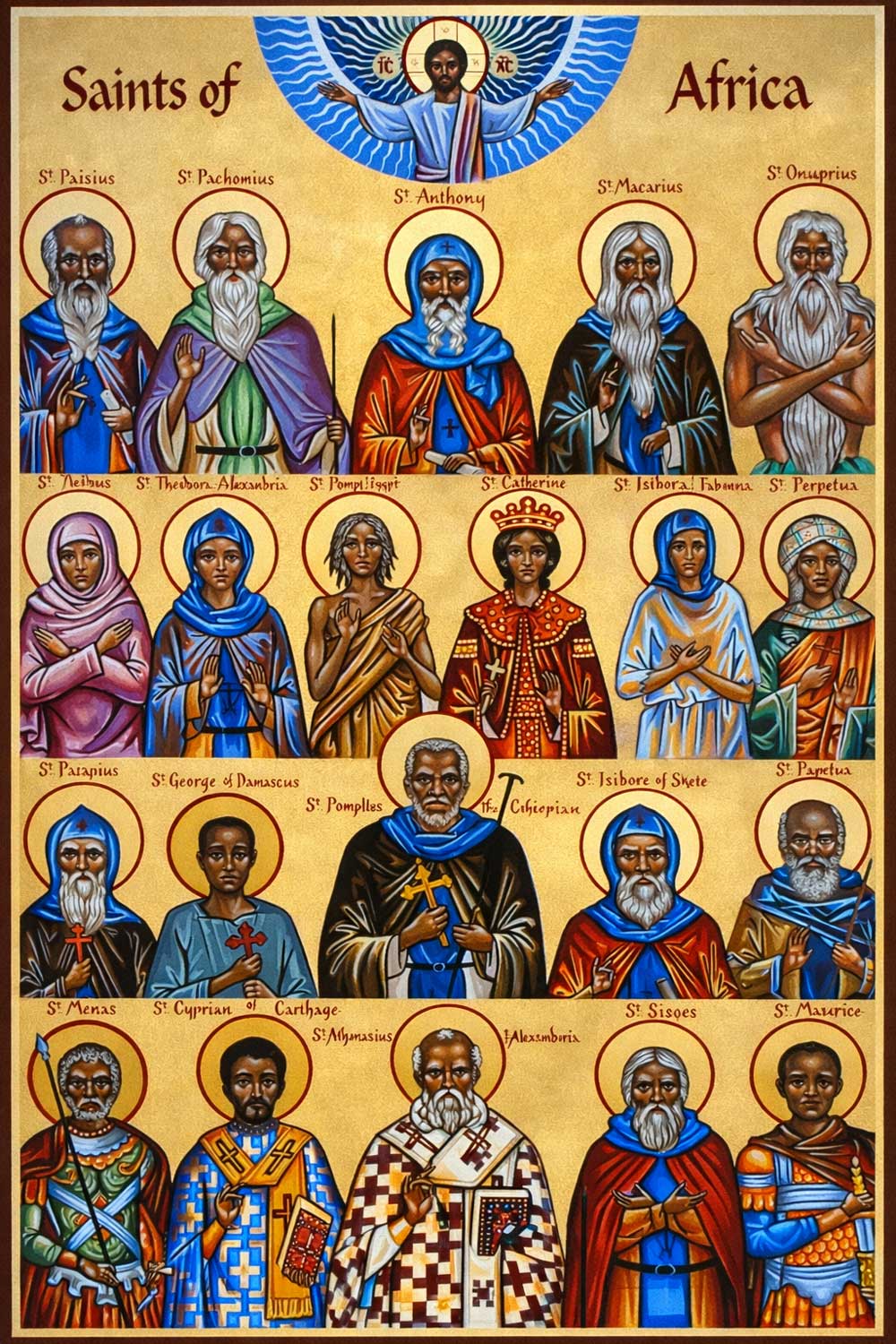
The African Saints.
Long before empire, African thinkers shaped Christian moral law. Augustine, Cyprian, Athanasius — they understood that love without order degenerates into chaos, and law without love becomes terror.
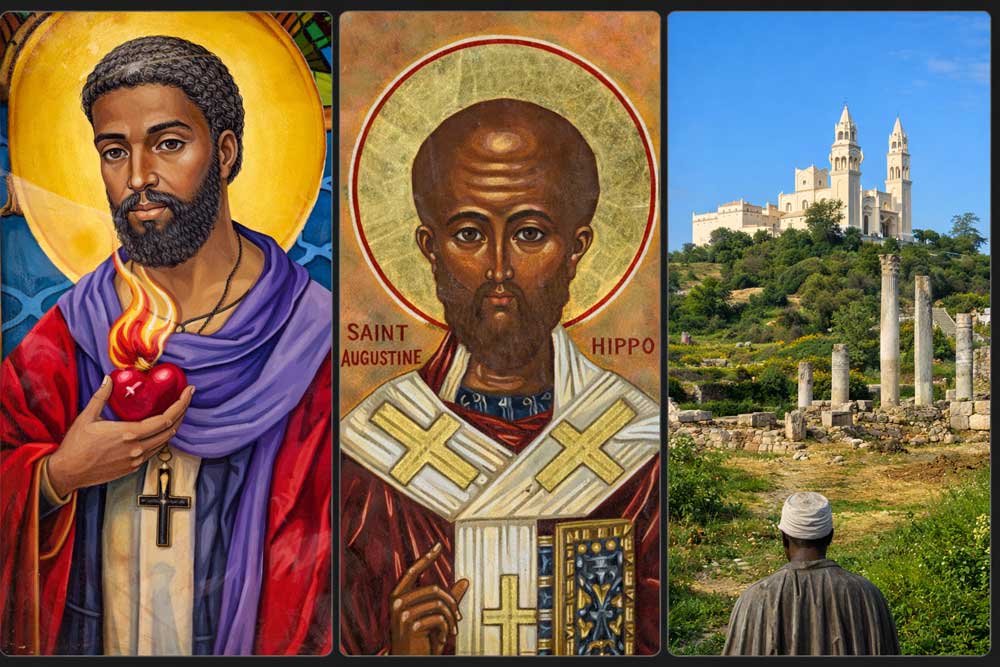
St. Augustine of Hippo.
A Black Berber from North Africa. His insight remains decisive: love is not emotion, but the correct ordering of responsibility.
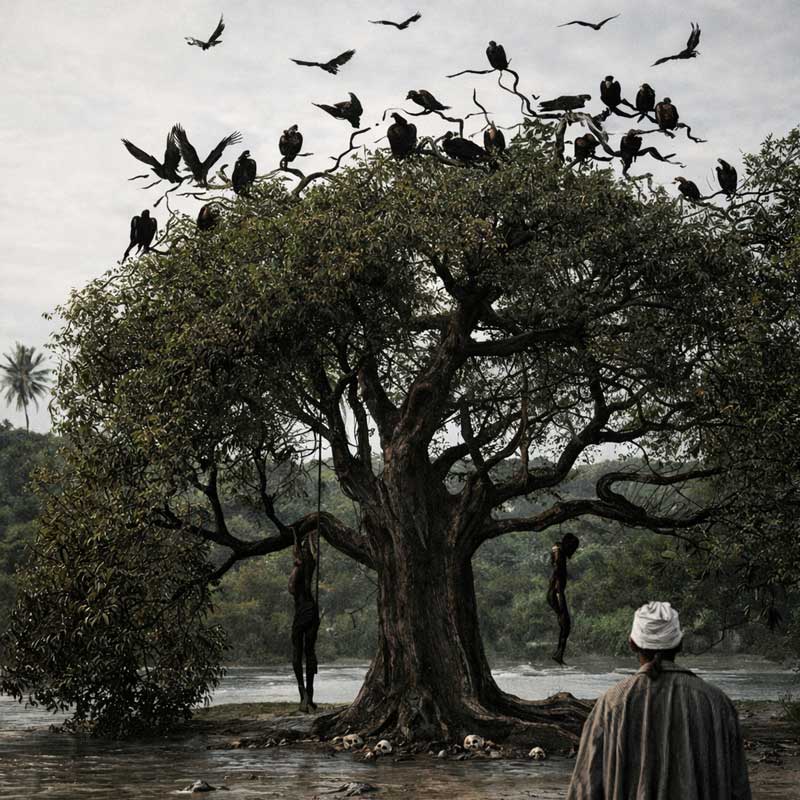
The Hanging Tree.
Here, violence was once legal. These sites explain why memory must anchor law, and why justice cannot be theatrical.
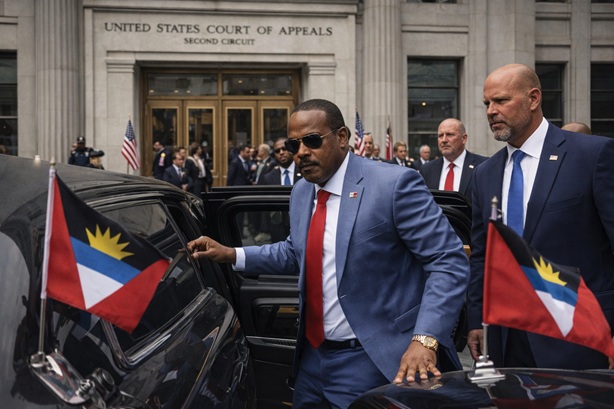
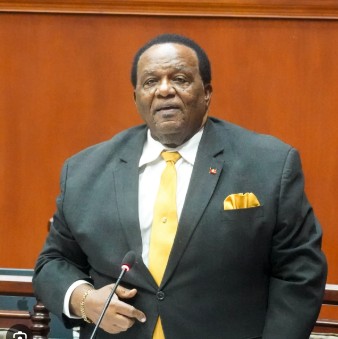
Gaston Browne
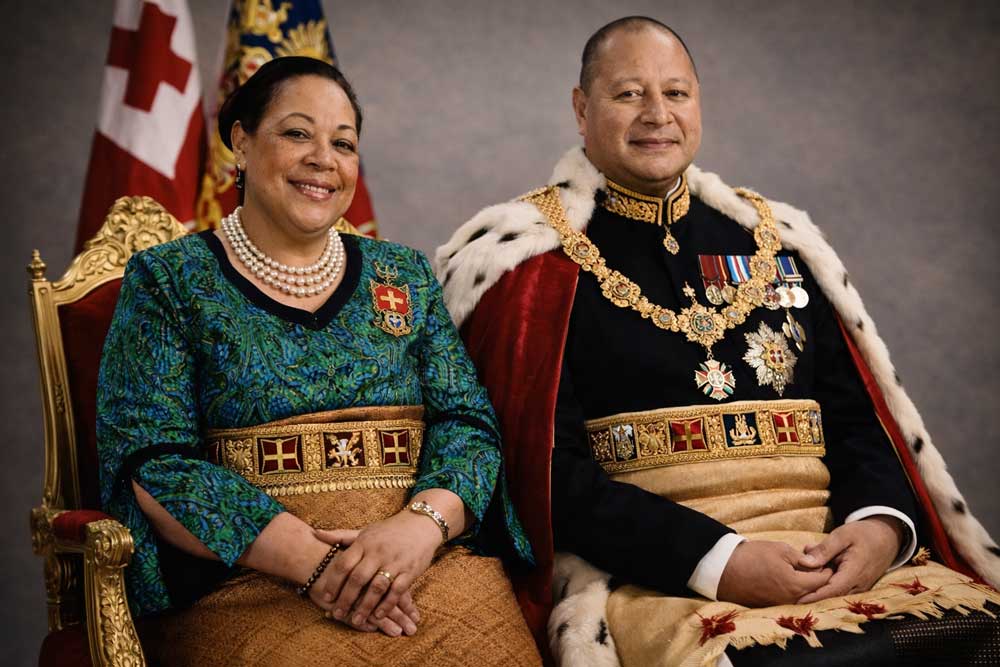
This is governance without spectacle. Power held calmly, law aligned with conscience. Black Power expressed as stewardship.

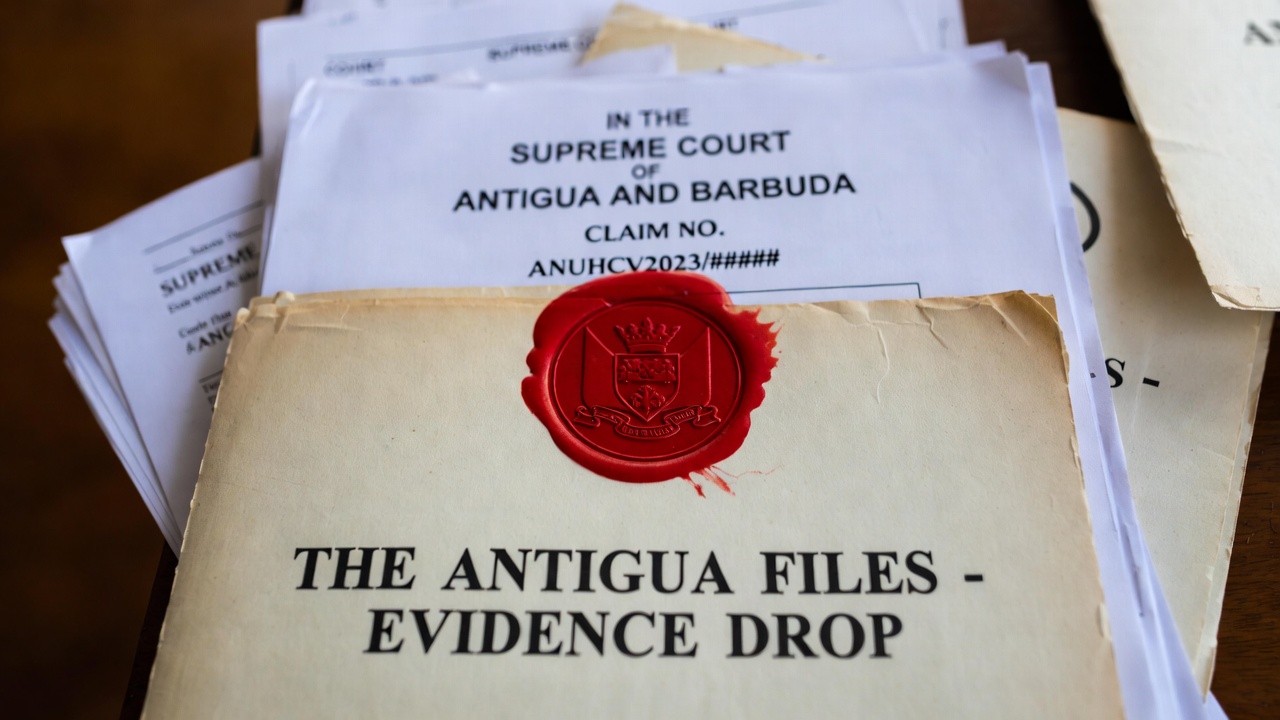
Antigua & Barbuda High Court.
On January 16 at 9:00 AM, the court ledger updates. No ceremony. No noise. Reality is recorded.
LOVE IS THE WAY.
Not sentiment.
Structure.
Black Power, matured.
Love, ordered into law.
The New Economic Order.