Kingsport, Tennessee, sits in the Appalachian foothills and is the site of a long‑running ammunitions plant that supplies explosives to the U.S. military. For generations, the town’s economy has been built around manufacturing jobs that keep the community’s industrial rhythm alive.
Politically, Kingsport has been a Republican rallying point since the 1970s. Many voters say they still plan to back the GOP, even as economic concerns and promises of fewer overseas wars weigh heavily on their minds.
The town’s residents, however, are split on the Iranian question. Some see the U.S. approach to Iran as a necessary show of strength; others worry that continued confrontations could drain local jobs and destabilize the national economy.
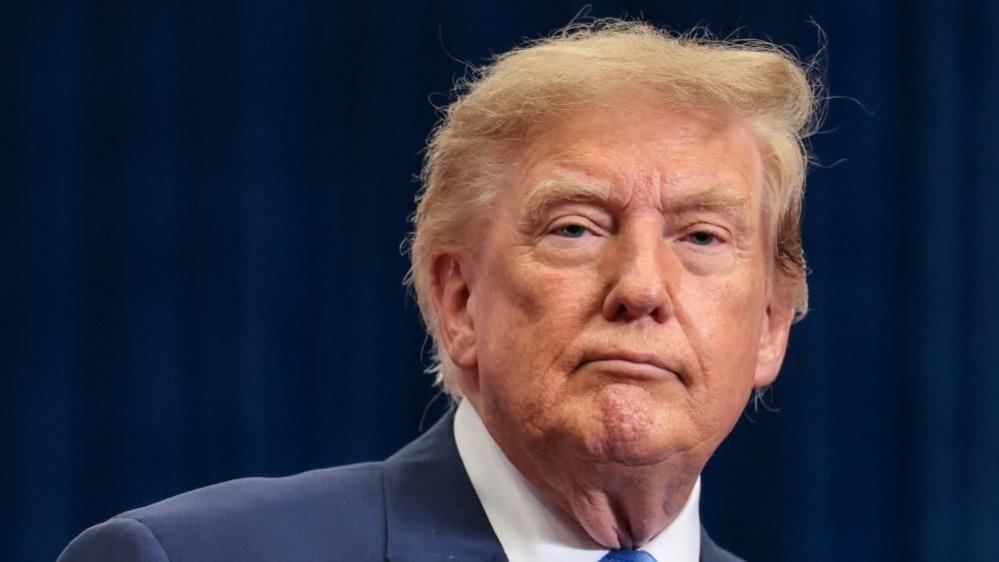
BBC journalist Sheila Flynn captured the conversation by speaking to voters across Kingsport. Interviewees offered a mix of unwavering loyalty to Trump’s brand of defense policy and cautious critique of Iran‑related foreign policy, as they balanced the merits and costs of a robust military supply chain.
In short, Kingsport illustrates how a munitions town’s historical ties to the GOP and its economic stance can coexist with diverging views on foreign policy—highlighting the growing complexity of American electoral geography.