
In brief
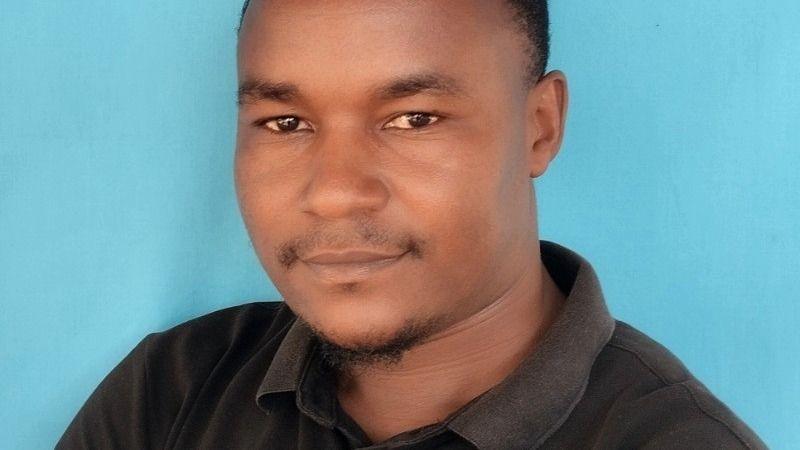
Melkisedek Kaijage, a political science teacher at the University of Dodoma, was taken into custody after a planned protest campaign was banned in July. The charges were upgraded from incitement to terrorism, making bail unlikely under Tanzanian law. Kaijage has been held for fifteen days and will remain in prison until his case is heard by a higher court. The move follows a pattern of state action against critics of President Samia Suluhu Hassan, amid a climate of crackdown after violent post‑election unrest. The case reflects concerns over dissenting voices in a nation long viewed as politically stable.
Melkisedek Kaijage, a political science lecturer at the University of Dodoma, was brought into police custody following an early March crackdown on a planned nationwide protest movement.
After fifteen days in detention, court officials upgraded his original charge of inciting protest to a terrorism offence, a step that removes the possibility of bail under Tanzanian statutes.
The authorities said Kaijage had threatened to set fire to public buildings as part of intimidation tactics. Under the Terrorism Act, such actions can lead to ten‑year to life sentences.
He was transferred from police camp to Isanga Prison on the capital’s outskirts, while colleagues describe him as a respected teacher rather than a political activist.
Kenya’s crackdown follows President Samia Suluhu Hassan’s broader campaign against opposition figures, after a 2025 election sparked the deaths of 518 people, many shot by security forces. The president blamed foreign interference for the violence and defended her re‑election, which she won with 98 % of the vote in a contested process.

