
In brief
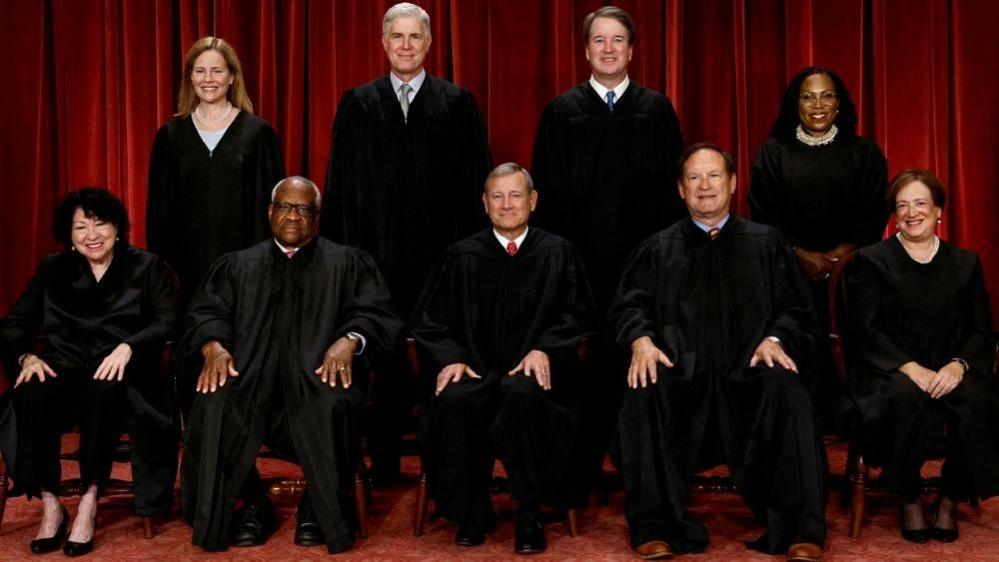
The Supreme Court upheld that children born in the United States to temporary visitors or undocumented migrants are U.S. citizens, a 5‑4 decision that thwarted a key Trump proposal. Trump reacted with a tepid statement and promised new legislation to reverse the rule, but congressional prospects remain dim. Earlier rulings this term weakened his tariff policy and blocked a National Guard deployment in Chicago. However, the Court’s conservative majority has broadened presidential authority by allowing the removal of independent agency heads, loosening campaign‑finance limits, and restricting voting‑rights protections for minorities. These decisions give Trump a lasting boost to his power while simultaneously marking a retreat on his most ambitious initiatives.
The U.S. Supreme Court recently struck down Donald Trump’s birthright citizenship plan and tariffs, yet it expanded the president’s influence over federal agencies and electoral law.
Birthright Citizenship Verdict
On Tuesday, the Court upheld that children born in the U.S. to temporary visitors or undocumented migrants retain their citizenship. Though the decision was 5‑4, it left a minority of justices in agreement.
Trump called the ruling “too bad for our country” and promised new legislation to restore his proposed limits on the principle. However, the likelihood of congressional action remains low, given Democratic opposition and potential constitutional hurdles.
Other Significant Rulings
The Court earlier in the term invalidated Trump’s sweeping tariffs on trade partners, a 6‑3 decision with Trump appointees Barrett and Gorsuch on the opposite side.
Trump also lost a bid to deploy the National Guard in Chicago to enforce immigration laws; the ruling reflected the Court’s willingness to defer to local objections over a presidential order.
Expanding Presidential Authority
Despite these setbacks, the majority has broadened Trump’s power over federal agencies and electoral processes. A recent 6‑3 ruling allowed the president to dismiss leaders of independent regulatory agencies on policy grounds alone.
Other decisions weakened campaign‑finance restrictions, tightened limits on how much political parties can spend, and struck down provisions of the Voting Rights Act that protect minority voting power.
Long‑Term Impact
With several conservative justices still in service, Trump’s influence on the judiciary and federal policy may endure beyond his term, marking a lasting legacy of expanded executive control.


