Sudan’s Hospitals on the Brink: Funding Cuts Threaten Health System Collapse
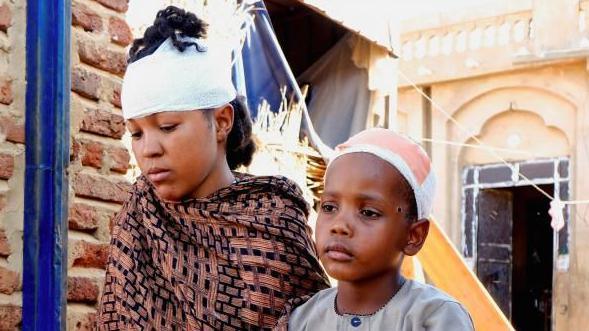
The ongoing civil war that erupted in April 2023 between the army and the paramilitary Rapid Support Forces (RSF) has precipitated one of the world’s most severe humanitarian emergencies, leaving over 33 million people requiring medical assistance. Yet the crisis is deepening because international funding – once poured through the U.S. Agency for International Development (USAID) – has been halted.
MSF’s warning: United States, the largest donor, shuttered USAID last year, leading to the loss of grants for many health organisations. European governments followed suit, cutting their support. The result: hospitals and clinics across Sudan are shutting down.

According to MSF, admissions in its supported facilities in central Darfur rose 22.5 % between January and April 2026 compared with the same period last year. In May alone, 45 healthcare centres stopped receiving funding, forcing patients to make perilous, multi‑hour journeys for the few services still available.
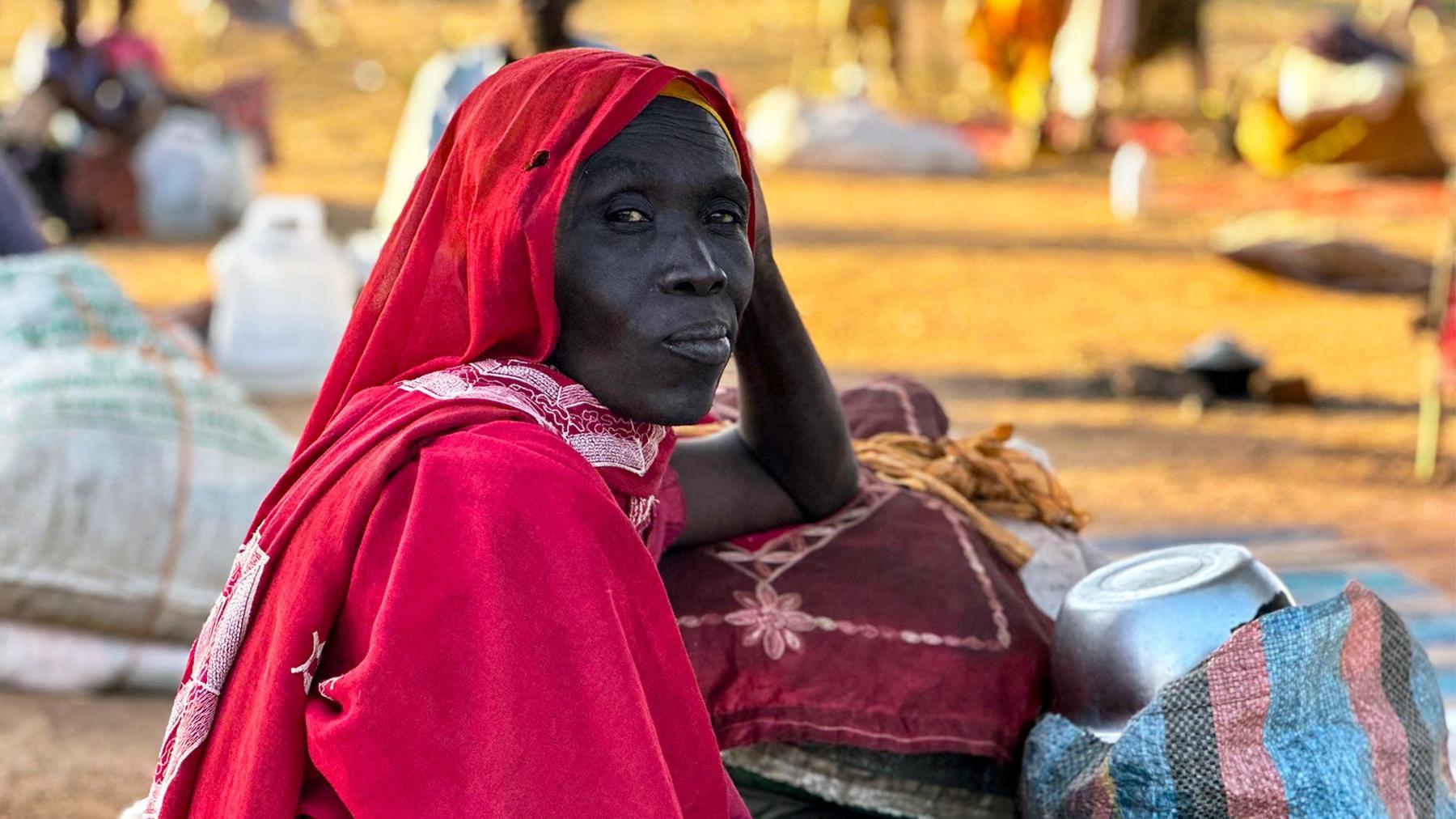
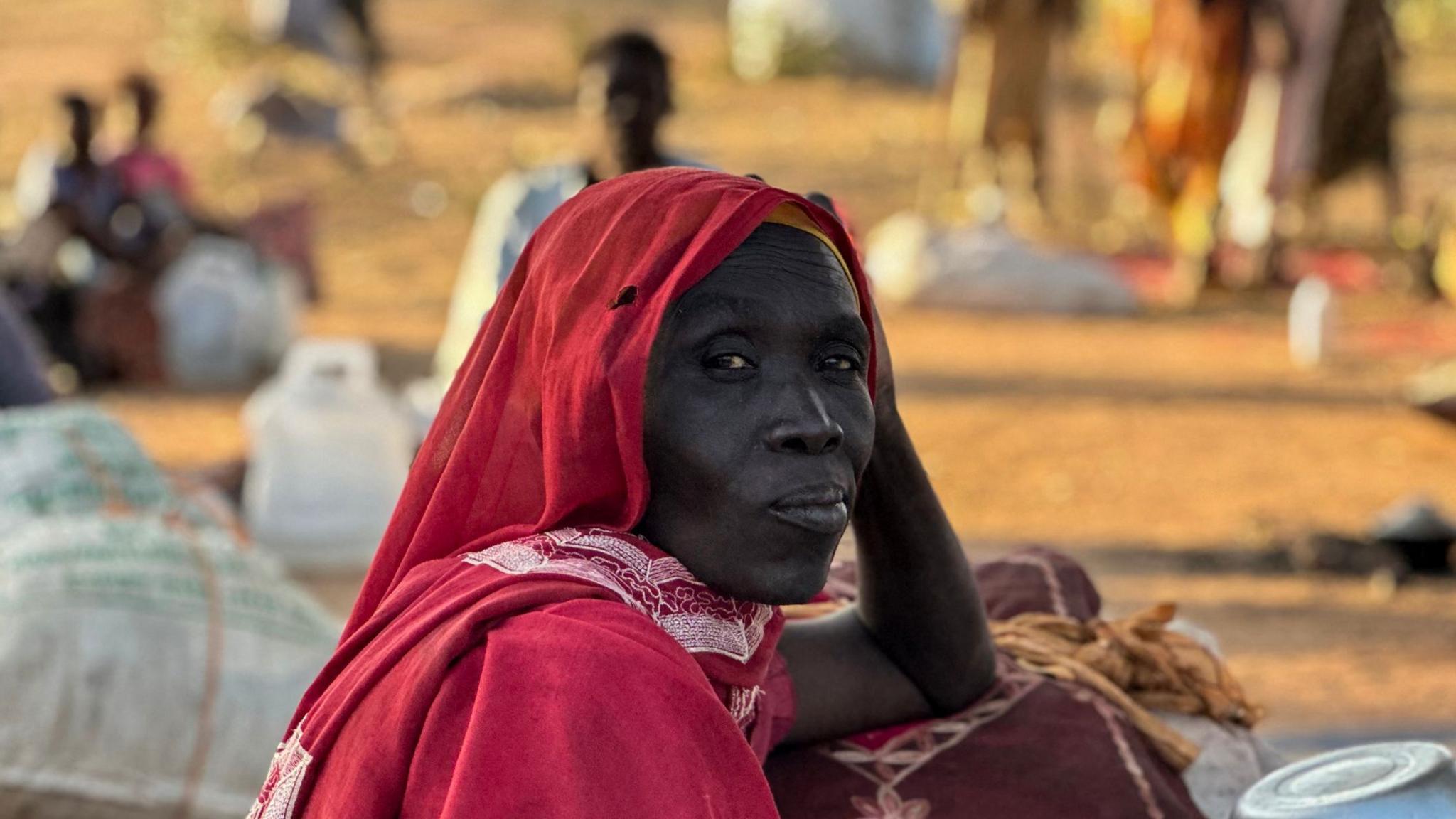
The camp in Gedaref’s Tanedba region, which shelters 18,400 refugees, lost its maternity and surgical wards when a humanitarian partner withdrew in June. MSF now runs a limited emergency room there, but obstetric patients must travel three hours for surgical delivery.
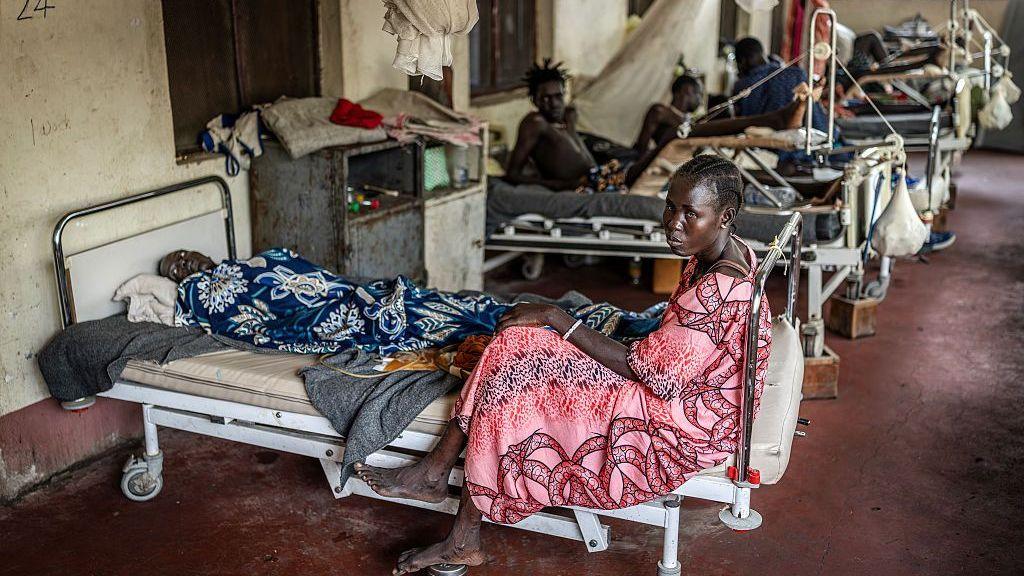
The rapid decline in aid has also eroded the resilience of Sudan’s public hospitals. Medications are running low, staff are leaving, and the few remaining facilities are over‑crowded. By 2025, 1,620 people had been killed in attacks on medical infrastructure, accounting for 82 % of global deaths from such attacks.
Despite diplomatic talks in Khartoum aimed at ending the conflict, the UN reports that over 19.5 million people face crisis‑level food insecurity, and about five million are confronting emergency‑level hunger.
“If aid does not increase, patients will face longer journeys, fewer treatment options, and greater risk of arriving too late for care,” said MSF’s UK representative Liz Harding.
The war, coupled with a shrinking international response, threatens to collapse Sudan’s fragile health system. The global community must urgently restore funding streams and protect medical facilities to avert a public health disaster.