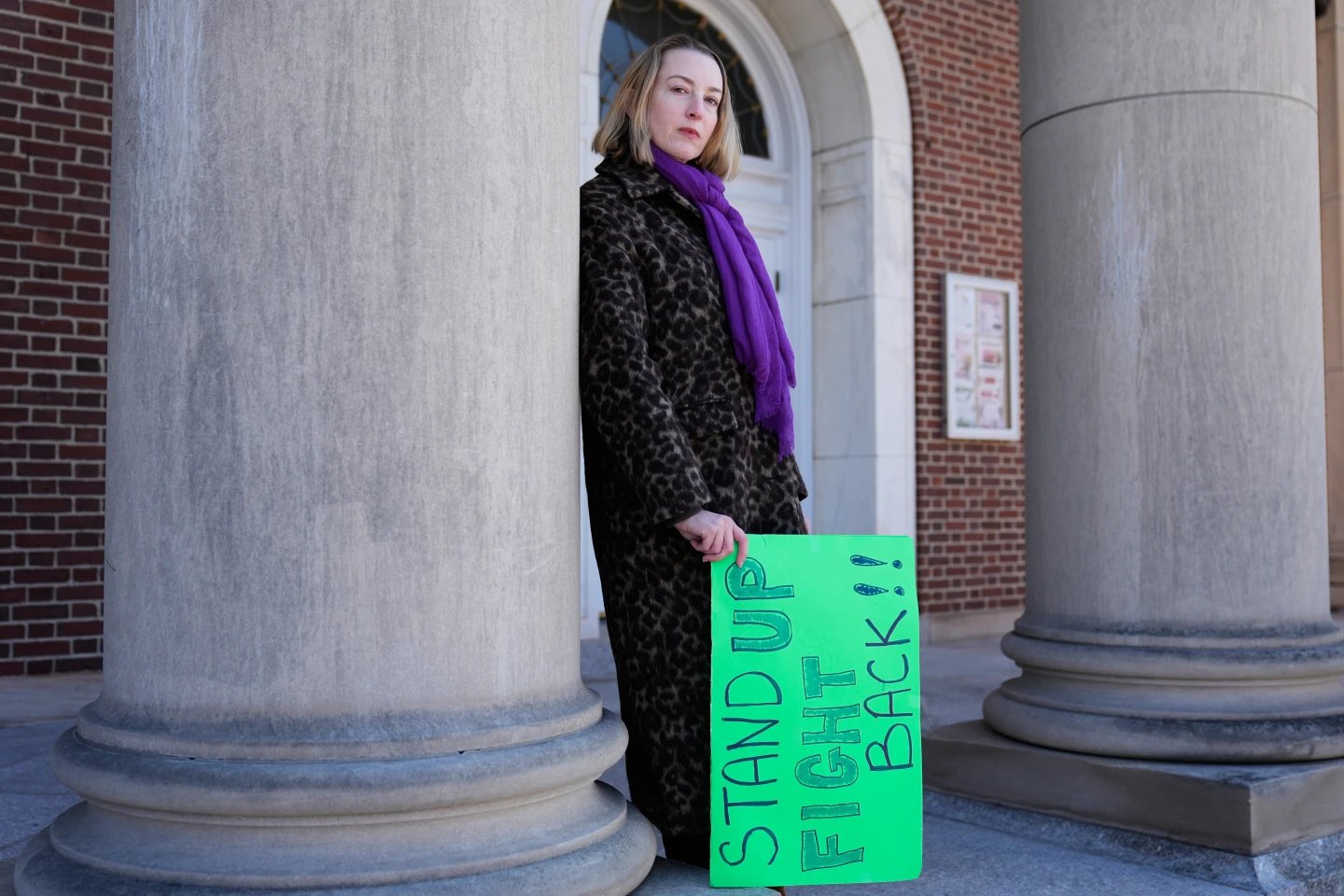
MONTCLAIR, N.J. — A few years ago, Allison Posner was only tangentially involved in politics. But now the 42-year-old mother of two from Maplewood, New Jersey, is actively engaging in community protests and organizing against what she sees as a direct threat to democracy posed by President Trump.
The people in the suburbs are definitely radicalizing, said Posner, a freelance actor who now dedicates time to helping immigrant families and coordinating social demonstrations.
Suburban communities across the U.S., previously characterized by political moderation or conservatism, are witnessing a notable shift. Many suburban voters, especially women, are transforming from passive citizens into active political players amid rising dissatisfaction with Trump's presidency.
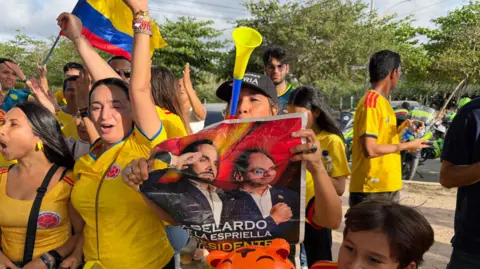
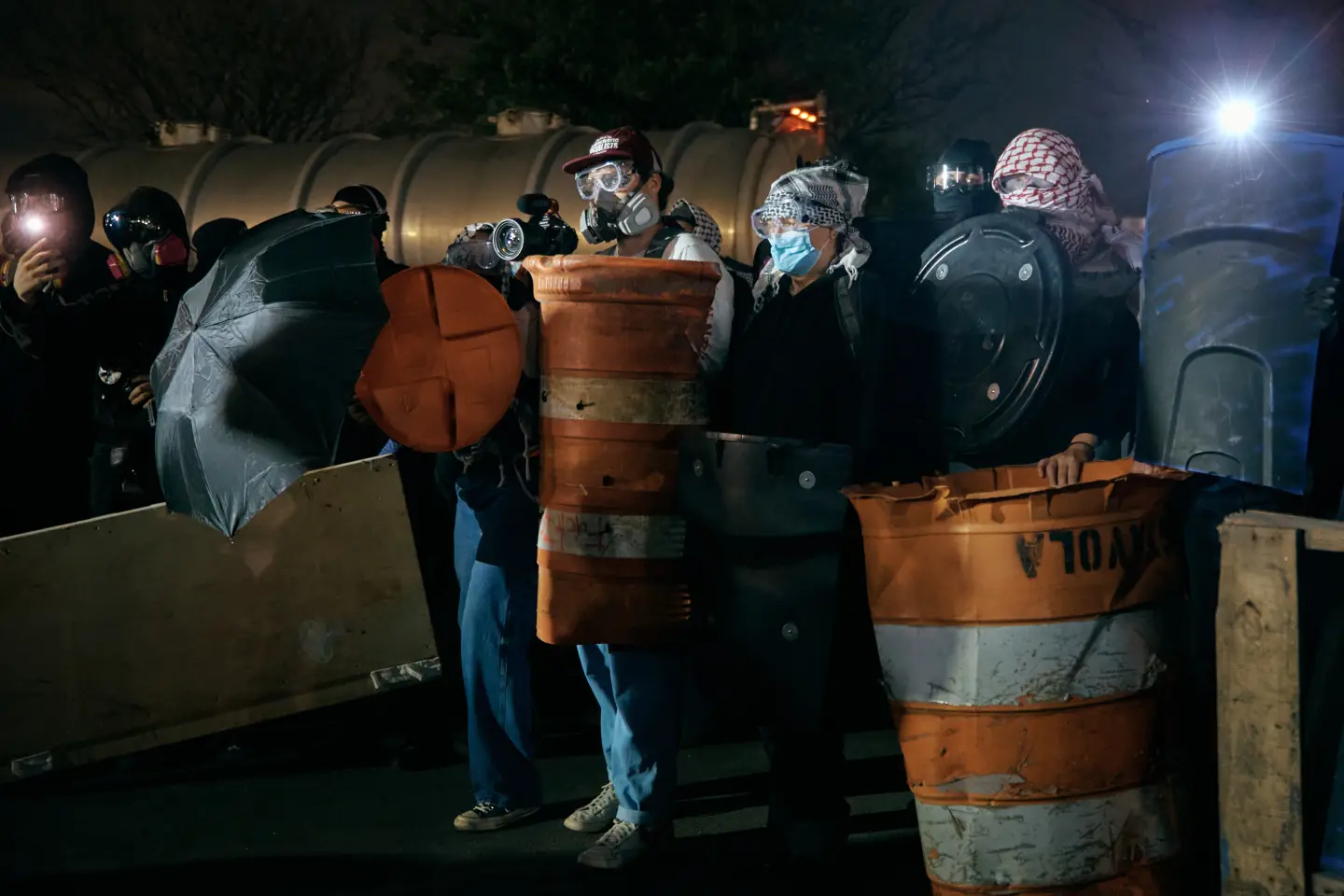
This grassroots movement reflects the new energy within the anti-Trump resistance. With over 3,000 protests planned nationwide, Indivisible, an activist organization, anticipates this weekend will see a massive turnout, potentially leading to the largest day of protest in U.S. history. Ezra Levin, co-founder of Indivisible, stated, We’re going to be everywhere.
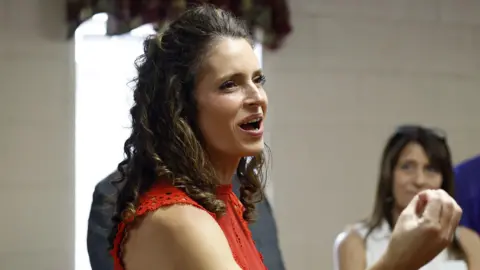
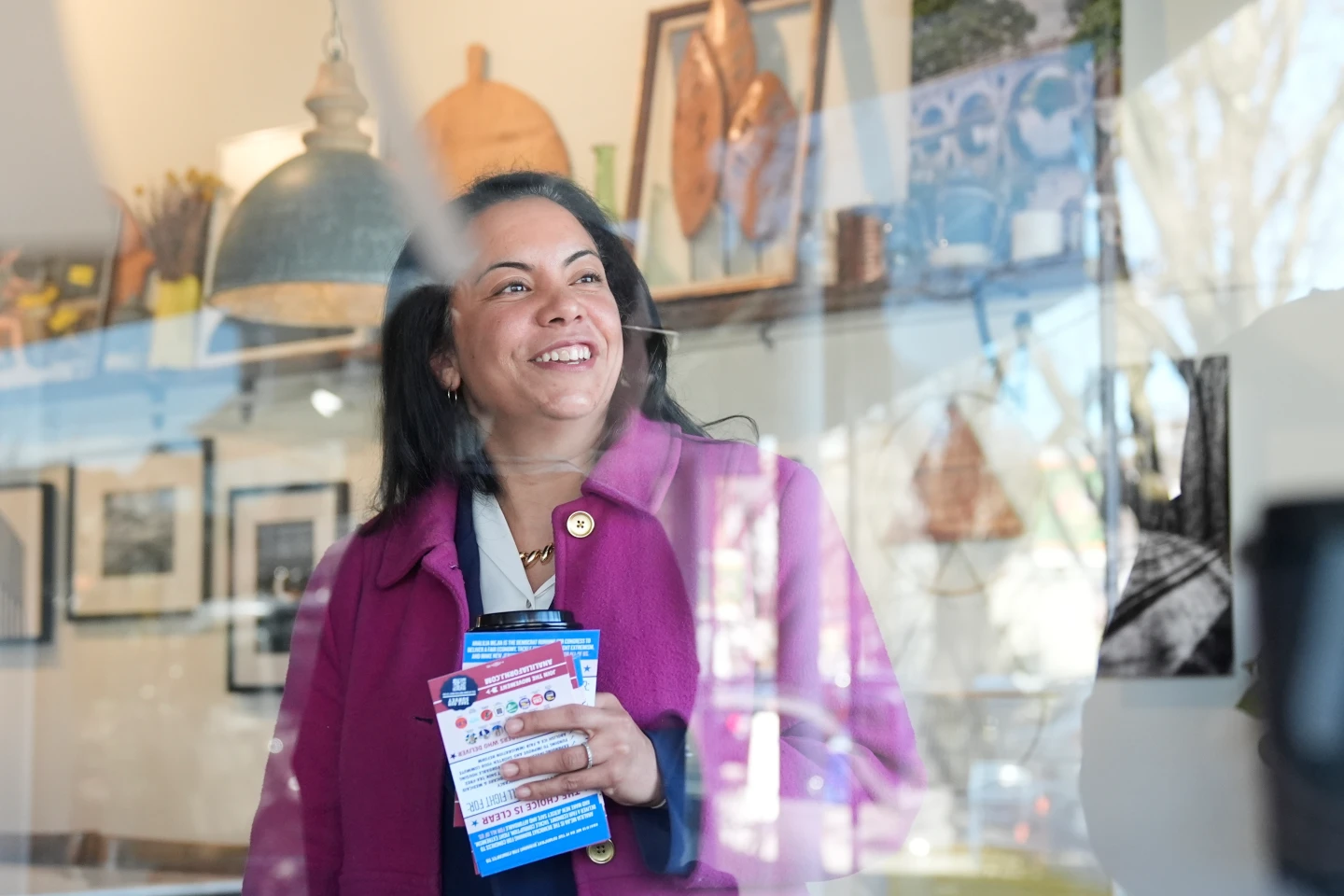
Concerns are high in suburban districts pivotal for the upcoming elections. Democratic voters have recently nominated Analilia Mejia, a progressive candidate backed by notable figures like Bernie Sanders, to run for a vacant congressional seat in New Jersey's 11th District. Activists like Posner are invigorated by her candidacy, viewing it as an opportunity to amplify progressive values in their communities.
Mejia’s campaign has captured the grassroots sentiment expressing urgency around issues such as immigration reform and income inequality, resonating with frustrated voters in the suburbs. Many former hesitant political participants are now taking to the streets, realizing that their activism is crucial to effecting change.
The suburban shift is a reflection of a larger national trend where college-educated and diverse voters are increasingly leaning Democratic. According to recent polls, Trump’s policies have alarmed many suburbanites, who once comfortably supported Republicans. The wave of protests and activism is not just about opposing Trump; it represents a broader cultural and political transformation that is reshaping electoral dynamics.
As communities come together this weekend, the outcomes of these protests could have significant implications for the political landscape in the years to come. With suburban voters mobilizing in unprecedented ways, many believe a new chapter in U.S. politics is unfolding.