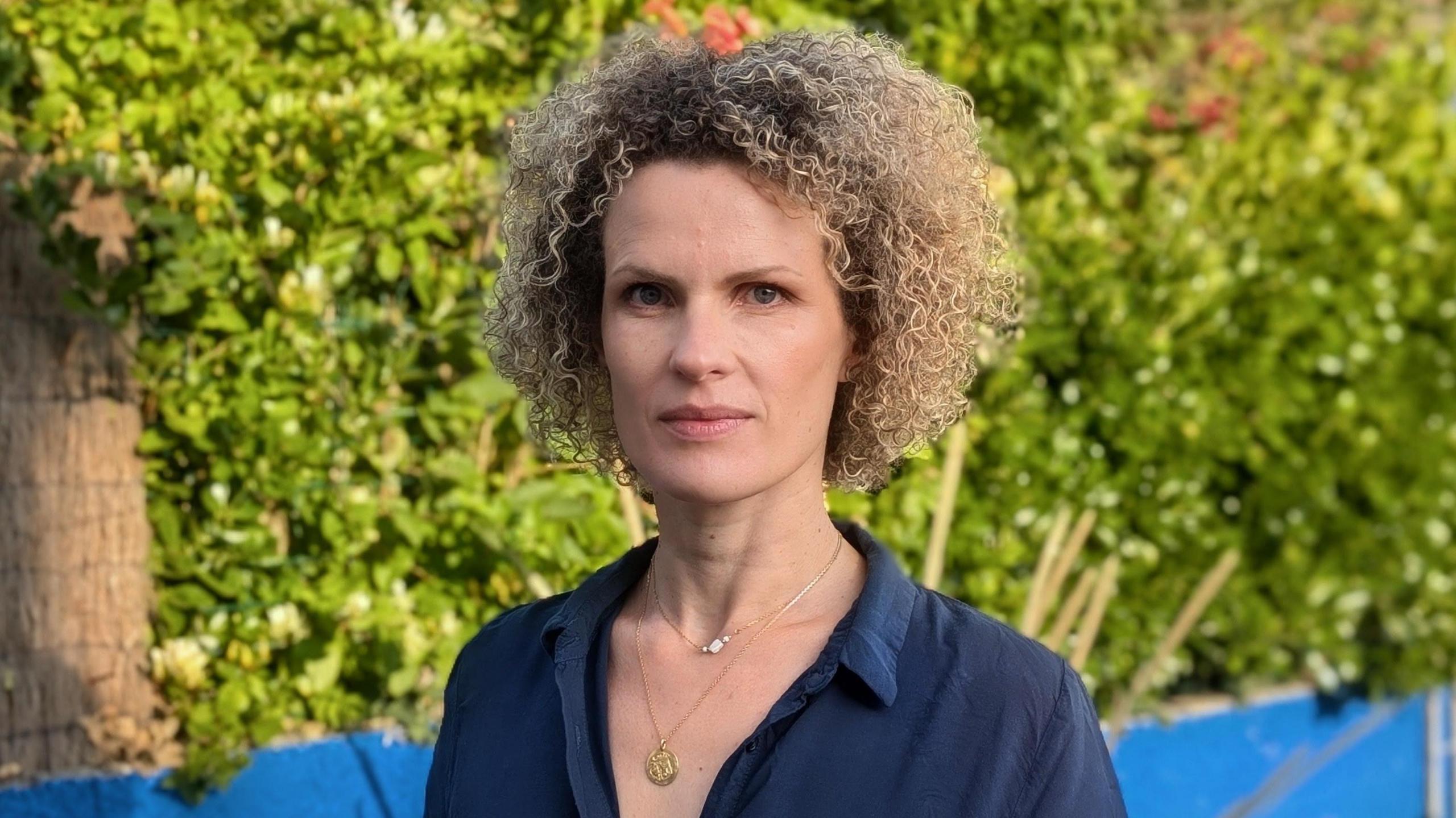
The search for the remains of 9/11 victims has not ended. For families such as Juliette Scauso’s, the hope of identifying their lost loved ones persists 25 years after the attacks.
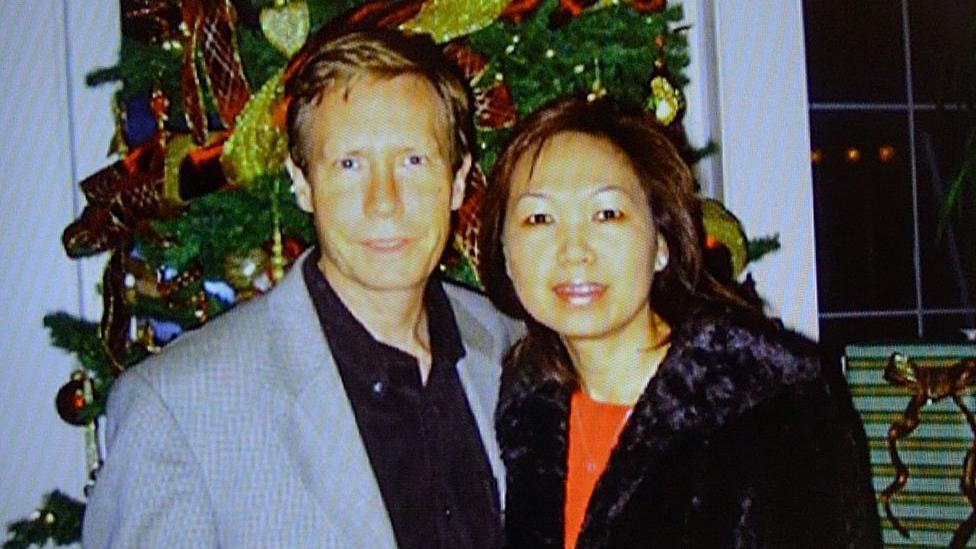
Scauso’s father, Dennis, served 12 years in the FDNY hazmat unit. Although he initially did not work on September 11, he switched shifts for overtime pay and was likely in the South Tower when it collapsed. The only physical trace of his life that the family kept was his mangled helmet, found months later.
The New York City Office of Chief Medical Examiner now uses forensic investigative genetic genealogy (FIGG). Since 2015, FIGG has helped identify the 1,654th victim from the attacks and has already matched 1,495 remains to family names either by DNA alone or in combination with other evidence.
"There's hope for more families to receive answers, and hopefully we’ll be able to test more remains in the future using this technology," said Angela Soler, director of forensic anthropology.
Still, the work marks a complex and painful journey. Each week the examiner’s office receives calls from relatives who have not yet found their loved ones. Some families choose repository burial at the World Trade Center memorial, while others remain silent to avoid reopening old wounds.
Soler explained that the process often involves re‑testing the same remains with new tech, keeping the hope alive for those who insist on knowing the identity of their dead. "As long as there are families looking for answers, we will continue searching," she affirmed.