In brief
After 38 years, the Irish Taoiseach Micheál Martin formally apologised to the family of Brian Stack who was shot by the IRA in 1983. The apology follows a series of police and investigative shortcomings including lost evidence and missed witnesses. The Stack family, who had campaigned for answers, welcomed the state’s admission of fault, while political leaders in both Dublin and Westminster welcomed the gesture as part of reckoning with the Troubles legacy. The incident remains the only prison‑officer death tied to the conflict, and the apology marks a historic moment of recognition for the victims’ plight.
The Irish Taoiseach, Micheál Martin, formally apologised to the family of Brian Stack, the only prison officer killed by IRA gunfire during the Troubles, in a rare statement in the Dáil on Wednesday.
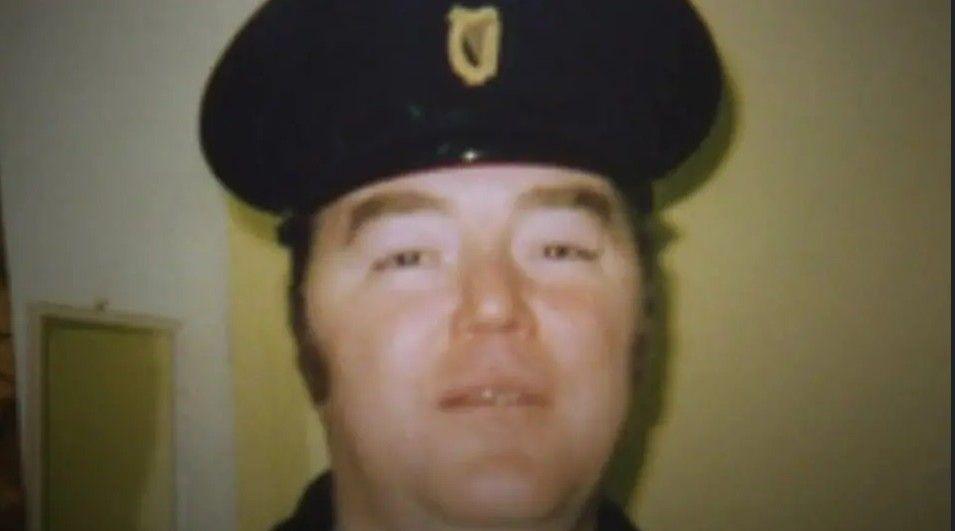
On 7 December 1983, Stack was shot in the back of the neck as he crossed a Dublin street after leaving a boxing match. He fell into a 49‑year‑old coma and died 18 months later from his injuries.
Despite three Garda investigations, no one was ever charged. In 2007 a Serious‑Crime Review identified more than 200 failures, including missing evidence, absent witness interviews and lost forensic material. Martin said the state had “plenty of evidence still missing” and that the failures were “utterly unacceptable”.
The apology was presented to Stack’s wife Sheila and sons Austin, Kieran and Oliver in the Dáil chamber, offering the family a “great sense of comfort”. Austin Stack said the gesture recognised years of hardship and the impact of investigative failures on the family’s search for justice.
The Government’s gesture comes after the IRA admitted the murder in 2013 and a 2019 apology from Garda Commissioner Drew Harris. The incident remains a symbol of the long‑standing hunt for accountability from the Troubles and an acknowledgement that the State fell short in protecting a civil servant’s life.
In the House of Commons, Secretary of State for Northern Ireland Sir Chris Bryant welcomed the apology, calling it “entirely right and proper”. Irish Foreign Affairs Minister Helen McEntee also spoke, admitting the State had failed the Stack family and urged the apology to bring some measure of peace.
The apology is part of a larger reckoning, including the UK government’s recently‑introduced Troubles‑Legacy Bill, and it is being seen by many as a vital step toward closure for those affected by the violent past.